Modi's Delimitation Plan Provokes Tamil Fury
Stalin condemns BJP's plan as a threat to federalism
Model Diplomat3 min readTamil Nadu
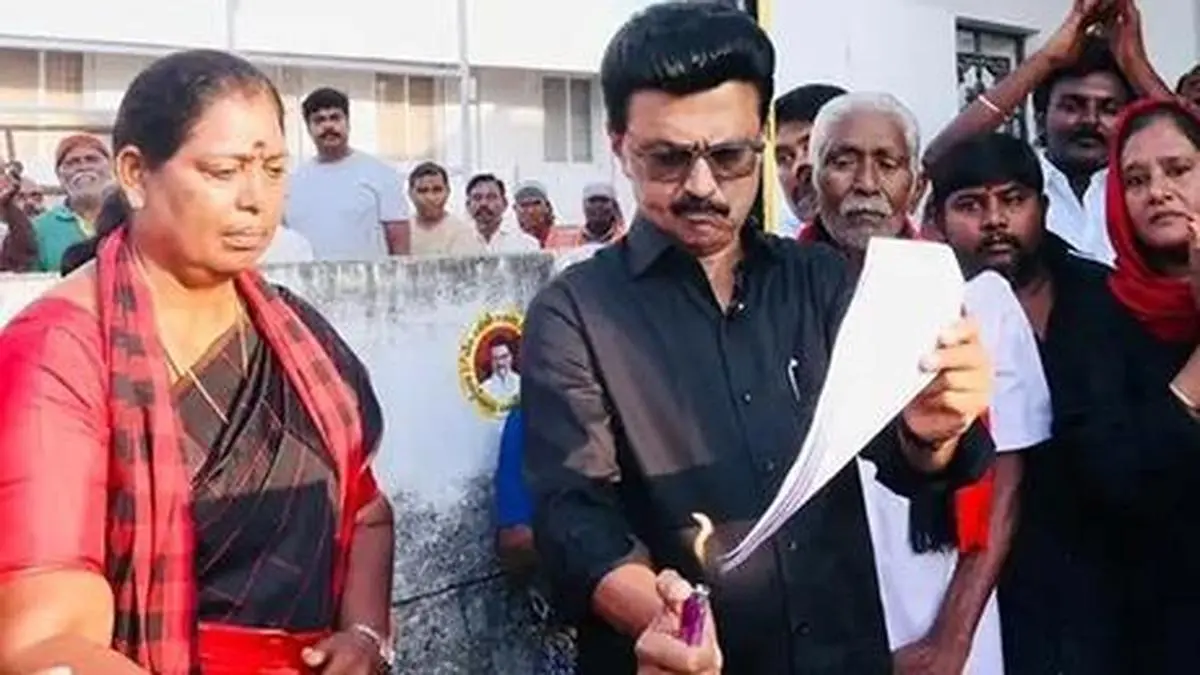
Modi’s Delimitation Plan Ignites Fury in Tamil Nadu’s Stalin Over Federalism
Modi government’s delimitation plan shifts political power northward, sparking fierce protests from Tamil Nadu’s DMK chief M.K. Stalin over federal imbalance.
The BJP-led central government’s latest delimitation exercise has set off political alarm bells in southern India, most notably in Tamil Nadu, where DMK leader M.K. Stalin has strongly condemned the plan. At the heart of the controversy is a fundamental grievance: the delimitation disproportionately favors northern and western states like Uttar Pradesh and Maharashtra, while southern states with slower population growth, like Tamil Nadu, face the opposite—reduced political clout in Parliament.
Why Delimitation Matters More Than Ever
Delimitation, the process of redrawing the boundaries of parliamentary and assembly constituencies based on the latest census data, is crucial for representative democracy. The latest exercise stems from the 2011 census but operates under a constitutional freeze on increasing the total number of seats, originally imposed in 1976 to incentivize family planning. This creates a paradox: states where population growth has surged reap more seats, while those that successfully controlled population growth lose influence.
For Tamil Nadu, the fallout is painful. As a state that has managed population growth effectively and invested heavily in social welfare, it now risks losing seats despite steady or improved development indicators. Meanwhile, states in the Hindi heartland, where population growth remains high, are poised to gain substantial representation—and with it, influence over national policy and resource distribution.
M.K. Stalin’s protest frames this as a BJP encroachment on federalism and an attempt to centralize power by marginalizing southern states. Given Tamil Nadu’s pivotal role in Indian coalition politics, this battle over constituency boundaries could reshape electoral coalitions in profound ways.
Federalism Under Strain
Stalin’s outrage taps into a broader narrative long simmering in Indian politics: the friction between a dominant central government and regional states fiercely protective of their autonomy. The BJP’s growing strength in northern states is undeniable, but reducing southern states’ leverage risks alienating critical voices and destabilizing federal balance.
The delimitation is perceived not just as administrative, but inherently political—a tool to reshape parliamentary strength in the ruling party’s favor. Tamil Nadu’s DMK fears weakened bargaining power over central subsidies, infrastructure projects, and cultural recognition. More broadly, it raises questions about proportional political representation in a country of stark regional disparities.
This crisis echoes past disputes in Indian federalism, such as the resistance to the imposition of Hindi or the reorganization of linguistic states, where southern states pushed back against central dominance. The delimitation exercise risks reviving these divisions at a sensitive electoral moment ahead of 2029 general elections.
What to Watch Next
The immediate fallout will be political agitation in Tamil Nadu and perhaps other southern states like Kerala and Karnataka, which share concerns about losing representation. The DMK may intensify demands for greater federal safeguards or push for reform of the delimitation freeze altogether.
Nationally, the BJP’s consolidation of northern seats could bolster Modi’s grip, but alienating the south risks deepening regional polarization with long-term electoral costs. Watch for whether the central government offers compensatory policy incentives to mollify southern states or doubles down on the delimitation approach.
In the broader scheme, this clash spotlights one of India’s most fundamental governance dilemmas—how to ensure equitable political representation in a vastly diverse and rapidly evolving population landscape. The resolution (or escalation) of this dispute will have ripple effects across Indian federalism and the shape of future coalitions.
For those tracking India’s evolving democratic architecture, Stalin’s opposition signals a critical moment in federal relations—where political boundaries meet the boundaries of power itself.
Explore more on India’s political landscape and
Indian federalism challenges.
Why Stalin sees red in Modi's delimitation exercise - Frontline
Discover more
India
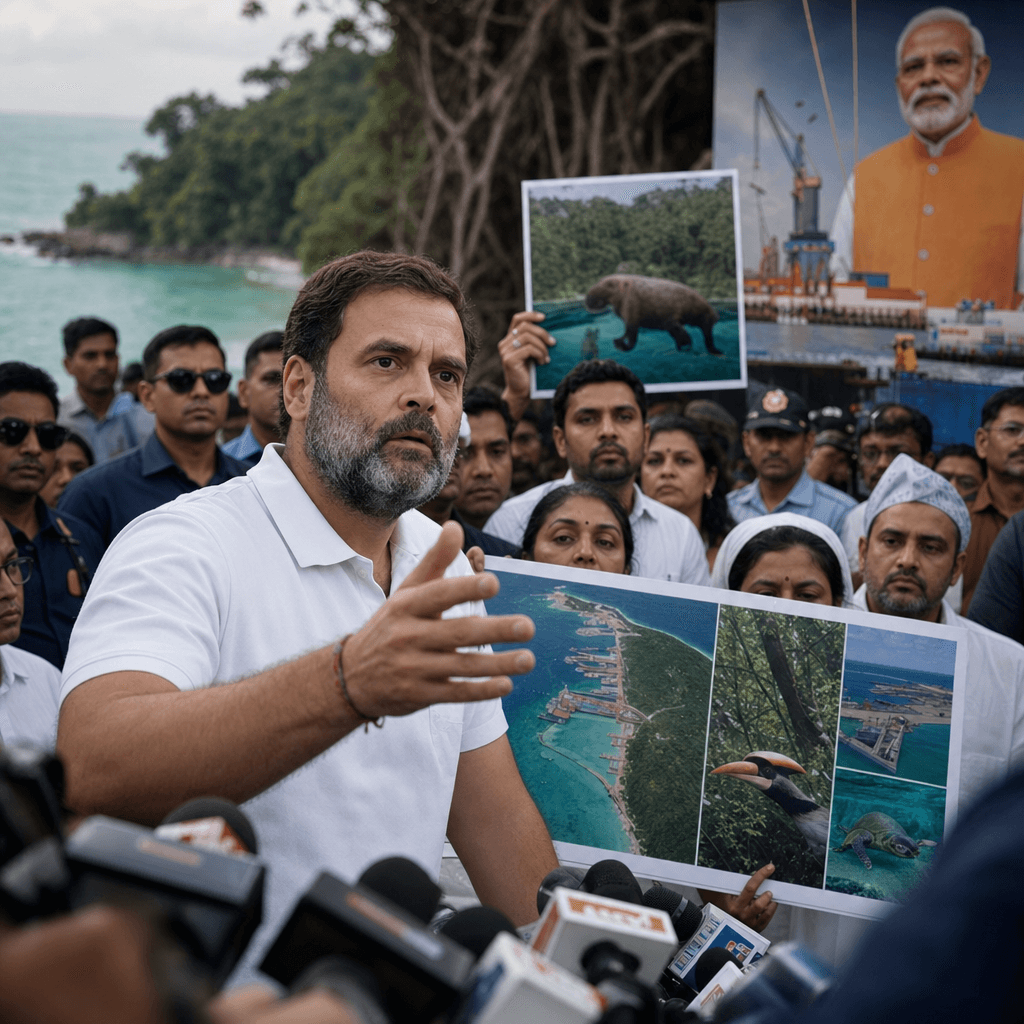
Gandhi Challenges Modi's Nicobar Project
Rahul Gandhi escalates his campaign against the Great Nicobar project, targeting Modi and turning it into a flashpoint in India's environmental politics debate.

India
Modi’s Australia Visit Signals a Quad Reset
Modi's upcoming visit to Australia signals a strategic reset of Quad ties, deepening India-Australia cooperation as the bloc recalibrates against rivals.
India
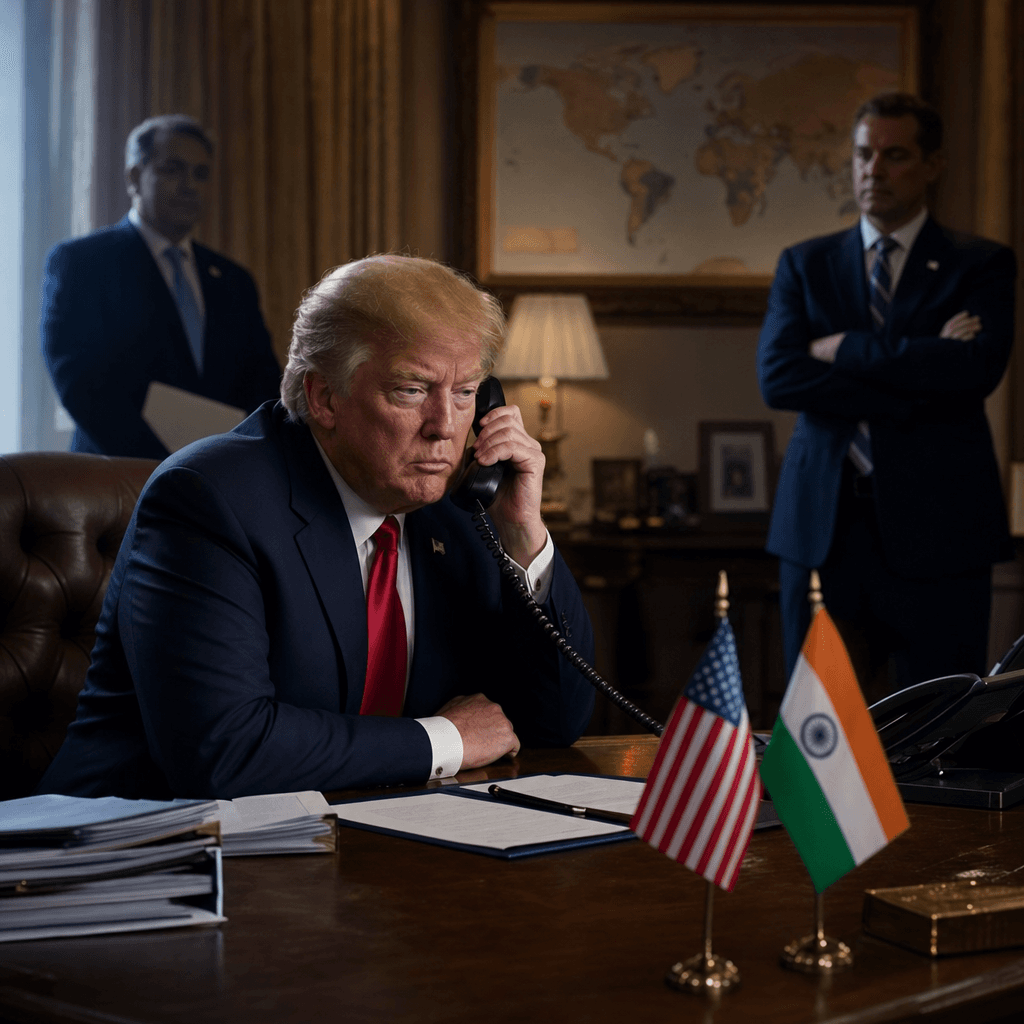
Trump’s Delhi Phone-In Signals Thaw
Trump's phone call to India signals a strategic thaw with Modi's government, hinting at warmer US-India relations even as unresolved trade tensions cloud ties.
India
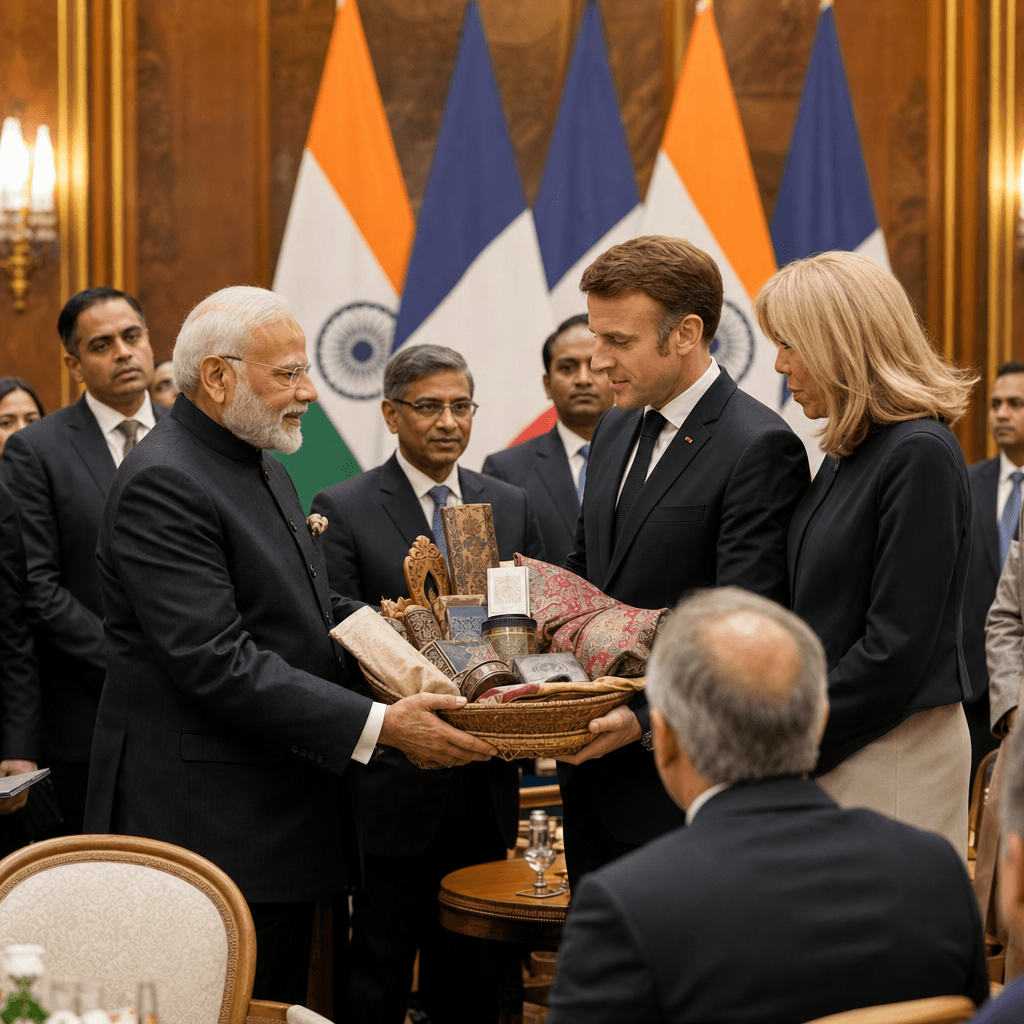
Modi's Gift Diplomacy Boosts India's Global T
Modi's gift diplomacy is turning India's regional brands and cultural heritage into trade leverage, showcasing local craft while courting deeper economic ties.