CAA and Law-and-Order: BJP's West Bengal 2026 Strategy
BJP targets Mamata Banerjee with CAA and law-and-order issues.
Model Diplomat3 min readWest Bengal
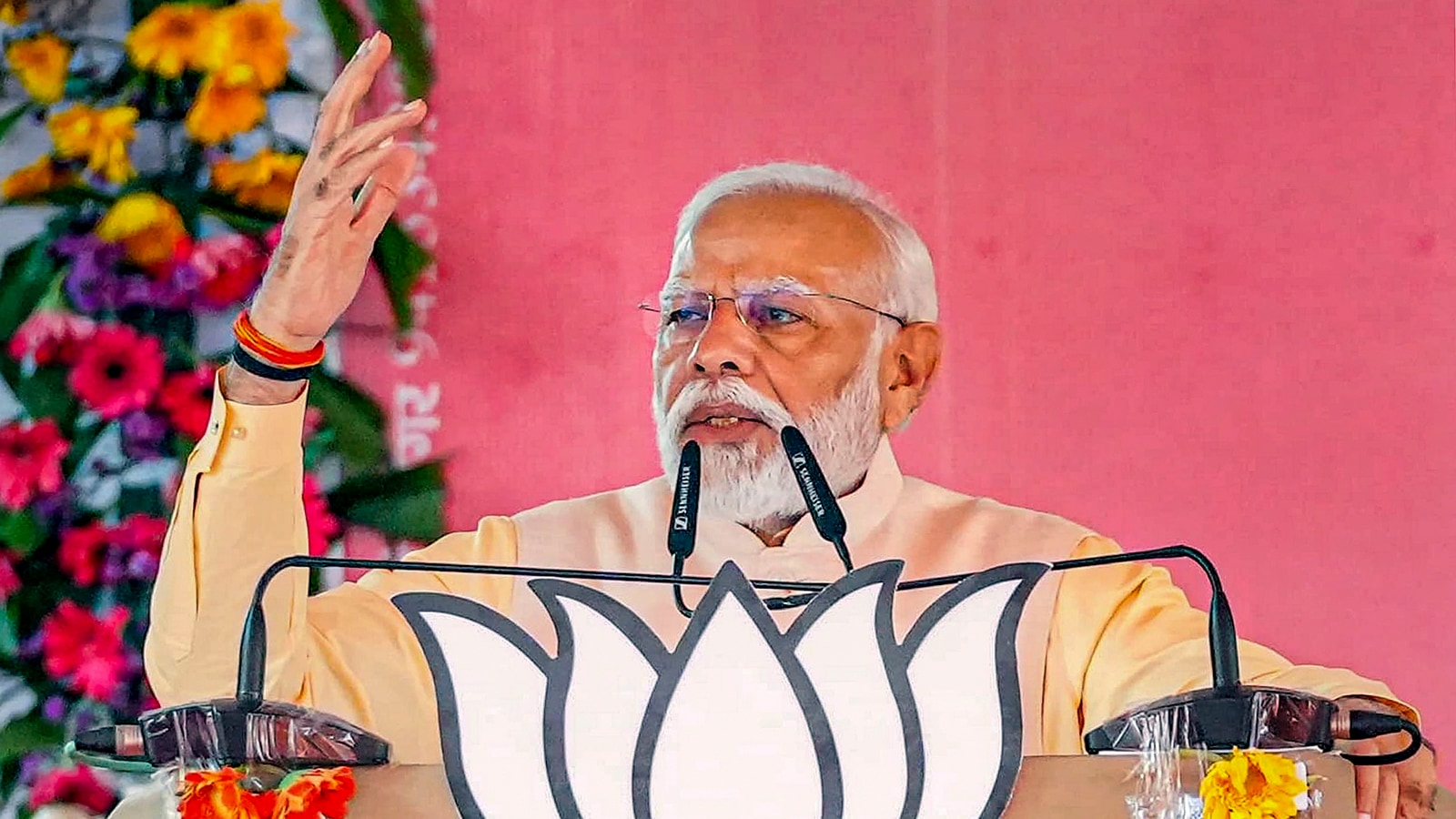
Modi Bets CAA and 'Jungle Raj' on West Bengal's Ballot
With Phase 1 polling underway April 23, BJP is making the Citizenship Amendment Act and law-and-order its twin battering rams against Mamata Banerjee's TMC.
Phase 1 of the 2026 West Bengal Assembly elections opened today across 152 constituencies, with early turnout hitting 89.93% by 5 p.m. — a number that signals high stakes for both sides. Modi's Krishnanagar rally, part of BJP's final campaign blitz, crystallised the party's dual message: CAA citizenship for displaced Hindus, and an end to what BJP calls "maha jungle raj" under Mamata Banerjee.
The jhalmuri jibe — a pun on the Bengali street snack, suggesting TMC "feels the sting" of BJP's popularity — was classic Modi retail politics. But beneath the wordplay is a calculated electoral bet.
CAA as a Targeted Weapon in Bengal
CAA has been live law since March 2024, but the Centre has accelerated its Bengal machinery in the campaign stretch. The Ministry of Home Affairs formed four empowered committees in West Bengal — three within a ten-day window in early March 2026 — specifically to fast-track citizenship applications and bypass the state government, which has refused to cooperate with implementation. The committees are staffed entirely by central government functionaries, insulating the process from Mamata's administration.
The principal target community is the Matua, a large bloc of Hindu Namasudras with Bangladeshi roots concentrated in Nadia and North 24 Parganas — exactly the belt where Krishnanagar sits. Thousands had their names removed from electoral rolls after the Special Intensive Revision (SIR) process published February 28, because they weren't on the 2002 rolls. BJP is framing CAA citizenship as the remedy — a direct exchange of loyalty for legal status. The Hindu's reporting notes no data has been released on how many certificates have actually been granted, leaving the promise functionally unverifiable before polling day.
Meanwhile, Home Minister Amit Shah's parallel message — "not a single intruder" would enter Bengal under a BJP government — targets anxieties about illegal Bangladeshi immigration, a grievance that cuts across caste lines in border districts.
Why Mamata Isn't Conceding the Frame
TMC has largely refused to fight on BJP's chosen terrain. Rather than defending its law-and-order record directly, the party's counter-argument, led by Abhishek Banerjee, is structural: any vote not cast for TMC benefits BJP, a squeeze play designed to consolidate Muslim voters and Left-leaning Bengalis. Mamata and Modi are also trading blows over the Uniform Civil Code, not just CAA — suggesting the BJP is running a layered identity campaign rather than a single-issue one. See our India coverage for the broader UCC debate.
Phase 1 saw sporadic violence, including attacks on BJP candidates Agnimitra Paul and Subhendu Sarkar, and clashes involving TMC workers in Murshidabad. The Election Commission has already sought reports on alleged voter suppression in Domkal.
What to Watch
Phase 2 votes on April 29, covering constituencies around Kolkata — a far more urban, less Matua-concentrated electorate where the CAA pitch has less purchase. Results land May 4. The swing variable isn't whether CAA converts true believers; it's whether the promise of citizenship papers moves undecided Matua households who lost their names from the rolls — and whether BJP can keep law-and-order violence from becoming a counter-narrative that boosts TMC's turnout.
Discover more
India
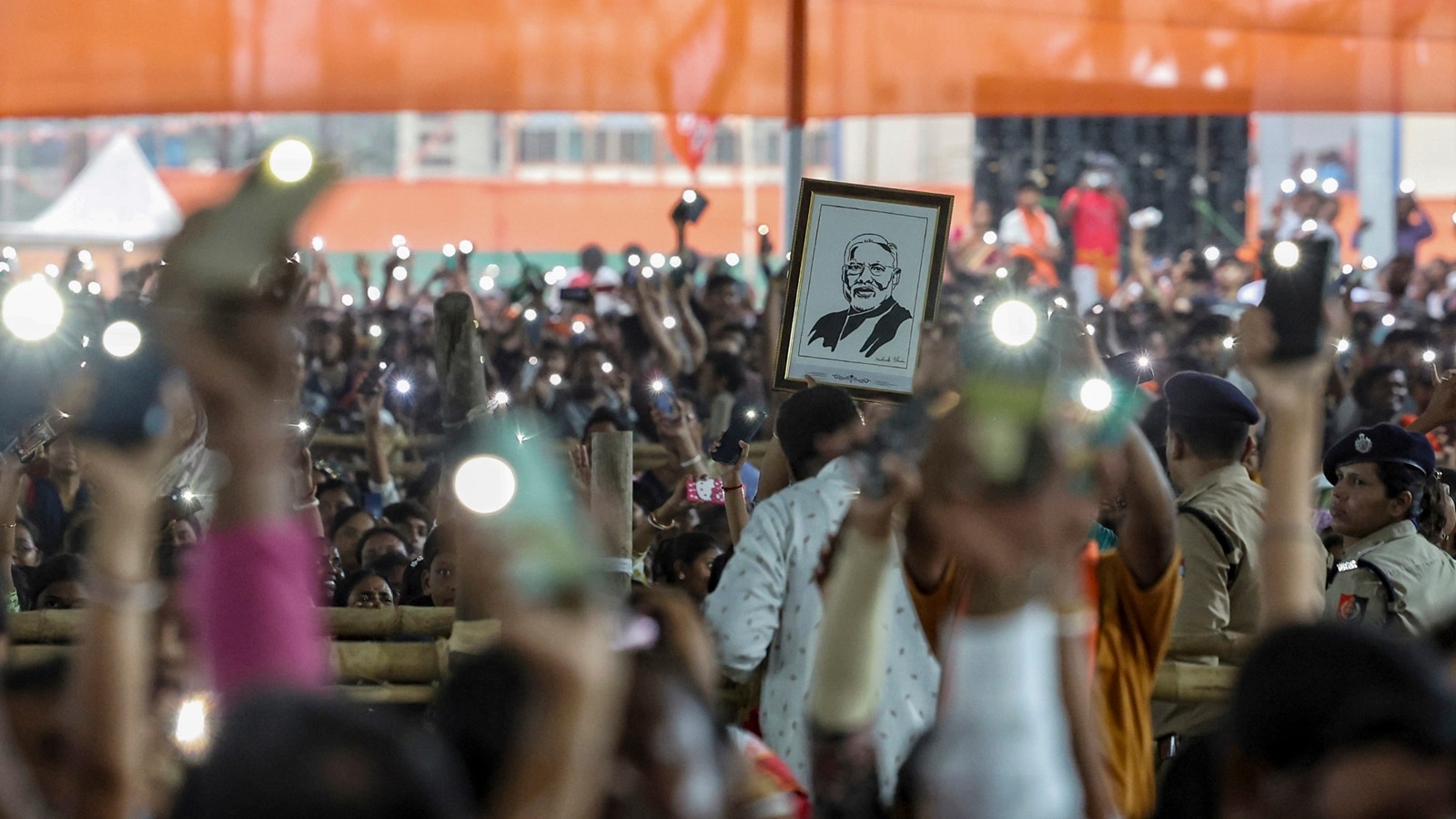
Modi's Women’s Convention in Varanasi
Modi's Varanasi rally frames women's reservation as a national mission, targeting the 2027 Uttar Pradesh elections with a strategic narrative.
India
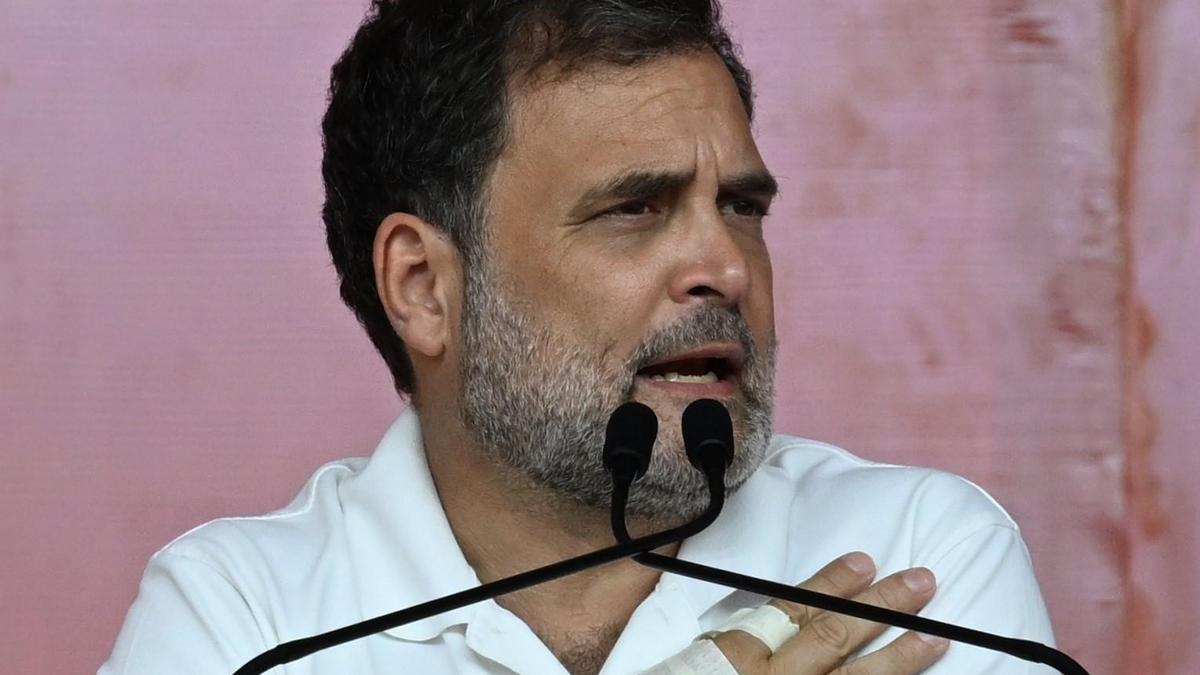
Rajnath Singh's Durga Squad for 2026 Polls
Rajnath Singh's Durga Squad promised women's safety in Bengal but has since disappeared from the agenda, revealing BJP's true priorities.

Conflict & Security
Drone Warfare Killing Aid Workers at Unprec
Over 1,000 humanitarian workers killed in three years as cheap armed drones collapse legal protections. Gaza, Sudan, Ukraine, and DRC see deliberate targeting of aid convoys and hospitals with zero prosecutions.
Global
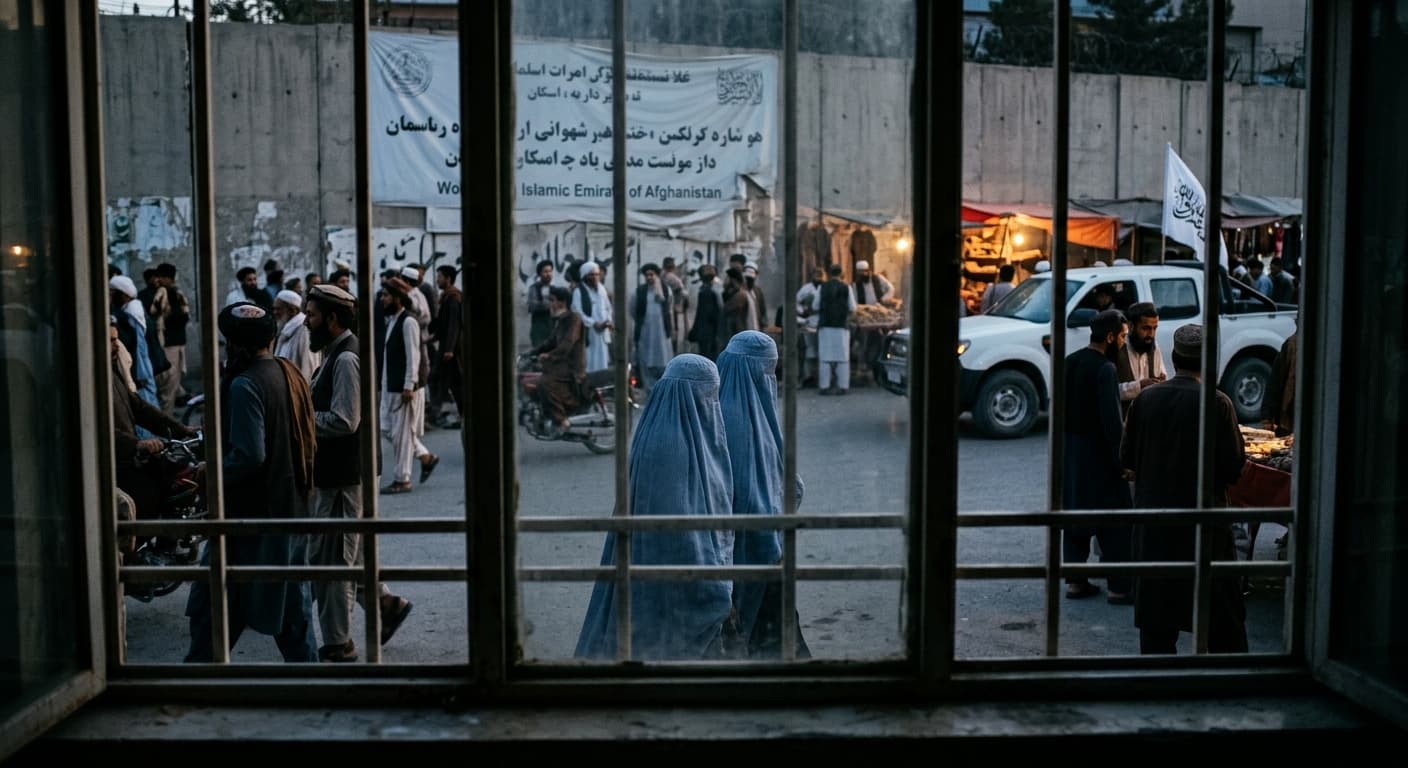
World Normalises Taliban as Afghan Women Eras
UN data shows Afghan women erased from public life as Russia recognises the Taliban, EU hosts officials in Brussels, and ICC warrants for gender persecution go unenforced.