Modi Uses Somnath to Tie Faith to State Power
Exploring Modi's use of Somnath as a national symbol.
Model Diplomat3 min readAsia
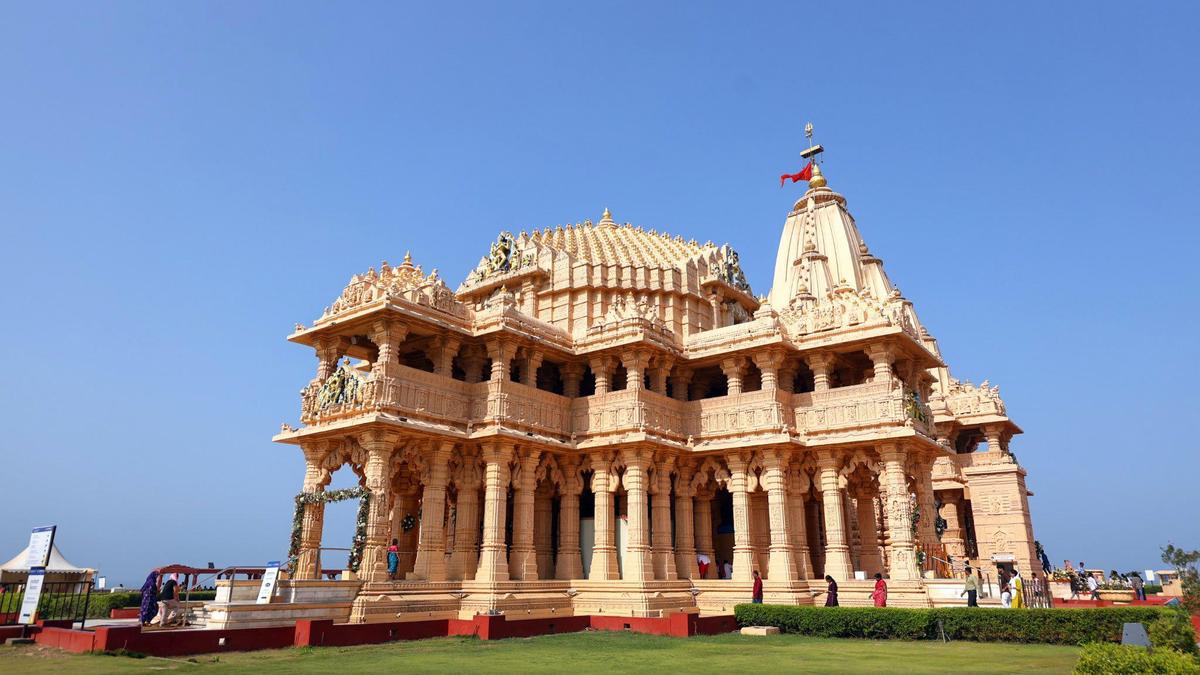
Modi Uses Somnath to Tie Faith to State Power
PM Modi’s Somnath essay frames the temple as a national symbol, with the BJP turning heritage into a political language of unity, resilience and development.
Prime Minister Narendra Modi has turned the 75th anniversary of Somnath’s restored inauguration into a civilisational message: Bharat is one sacred whole, and that unity is the argument, not just the backdrop, for his politics (The Hindu). In a signed article published on Friday, he said the temple’s history shows how “countless individuals from different corners of India” rebuilt it, and that its lesson is relevant “in a world often marked by divisions” (
The Hindu;
Somnath and Bharat’s unconquerable spirit!).
A shrine is being used as a national metaphor
This is not just devotional rhetoric. Modi is folding Somnath into a larger state narrative he has used repeatedly this year: heritage as proof of continuity, and continuity as proof of political legitimacy. In January, he called Somnath a symbol of “civilisational courage” during the Somnath Swabhiman Parv, which marked 1,000 years since the first attack on the temple in 1026 (The Hindu;
The Hindu). Now he is extending that framing to the 75th anniversary of the restored temple’s reopening to devotees, with a planned visit on May 11, the date linked to Rajendra Prasad’s 1951 inauguration of the rebuilt shrine (
The HinduBusinessLine).
That matters because Somnath is no ordinary pilgrimage site. It is one of the 12 jyotirlingas, and the BJP has made it a showcase for a wider model in which religious sites are renovated, connectivity is improved, and pilgrimage is treated as both identity work and economic policy (The Hindu;
The Hindu).
Who gains from this framing
The immediate beneficiary is the BJP’s broader claim to be the custodian of India’s civilisational story. Modi’s line that “every part of Bharat is sacred” also helps him blur the boundary between religious sentiment and national belonging, a useful move when the government wants to present temple redevelopment, tourism and infrastructure as one package (The Hindu). The state of Gujarat benefits too: more pilgrims mean more spending, better optics and a stronger claim to cultural centrality, especially around Gir Somnath and the wider Saurashtra coast (
The HinduBusinessLine).
The political cost lands elsewhere. Modi’s language leaves little room for a competing idea of Indian nationhood that is not anchored in civilisational memory, and it gives his opponents a harder task: they are not just disputing policy, but a symbolic map of the country. That is the power move here.
What to watch next
Watch the May 11 Somnath ceremony and whether Modi uses it to announce more redevelopment, corridor, or connectivity upgrades around the shrine. Also watch whether the “next thousand days” of special pujas and temple-linked programming become a sustained campaign of religious mobilization or just a commemorative burst (The Hindu;
The Hindu). For broader context on how faith, power and identity are being fused in Indian politics, see
India and
Global Politics.
Discover more
India
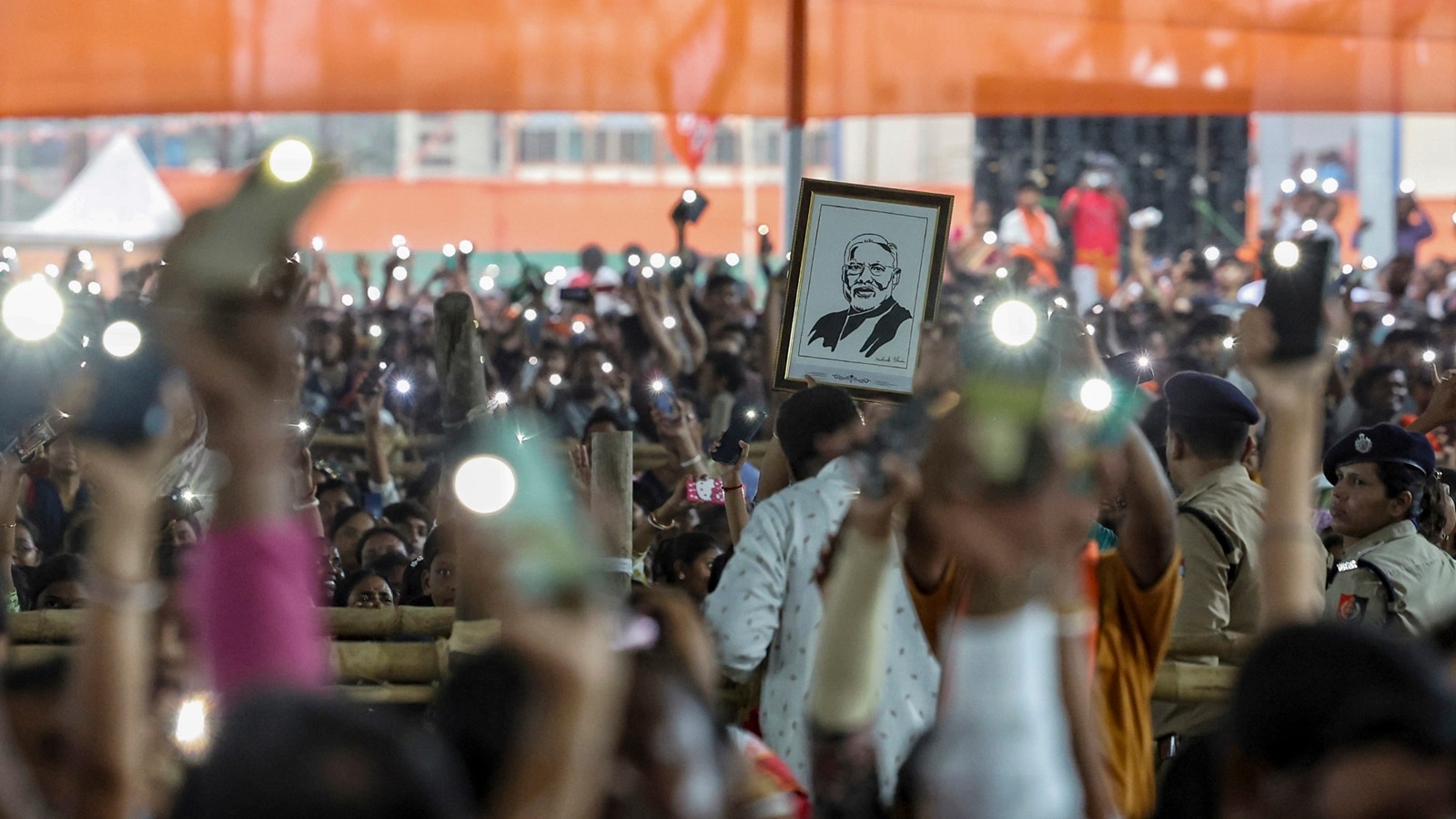
Modi's Women’s Convention in Varanasi
PM Modi's upcoming women’s convention in Varanasi aims to boost support ahead of West Bengal elections, highlighting women's empowerment initiatives.
India
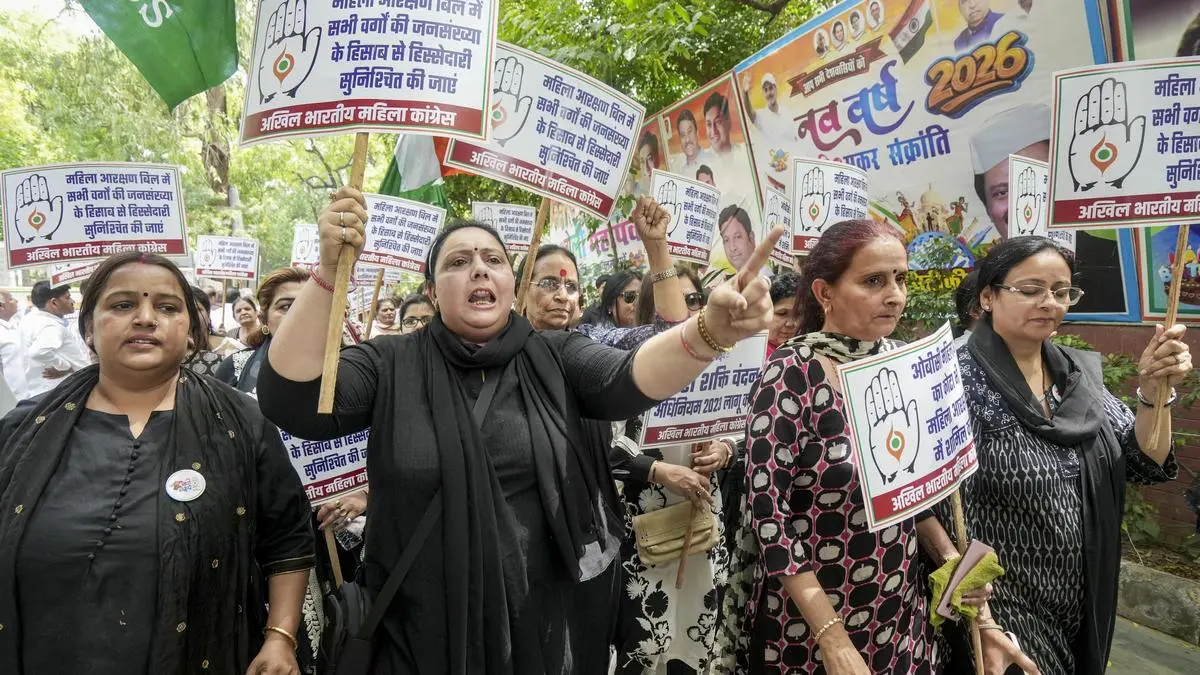
BJP's Misunderstanding of Women's Quota Needs
The BJP's linkage of the Women Reservation Bill to delimitation risks delaying women's empowerment in India, misreading their political needs.
India
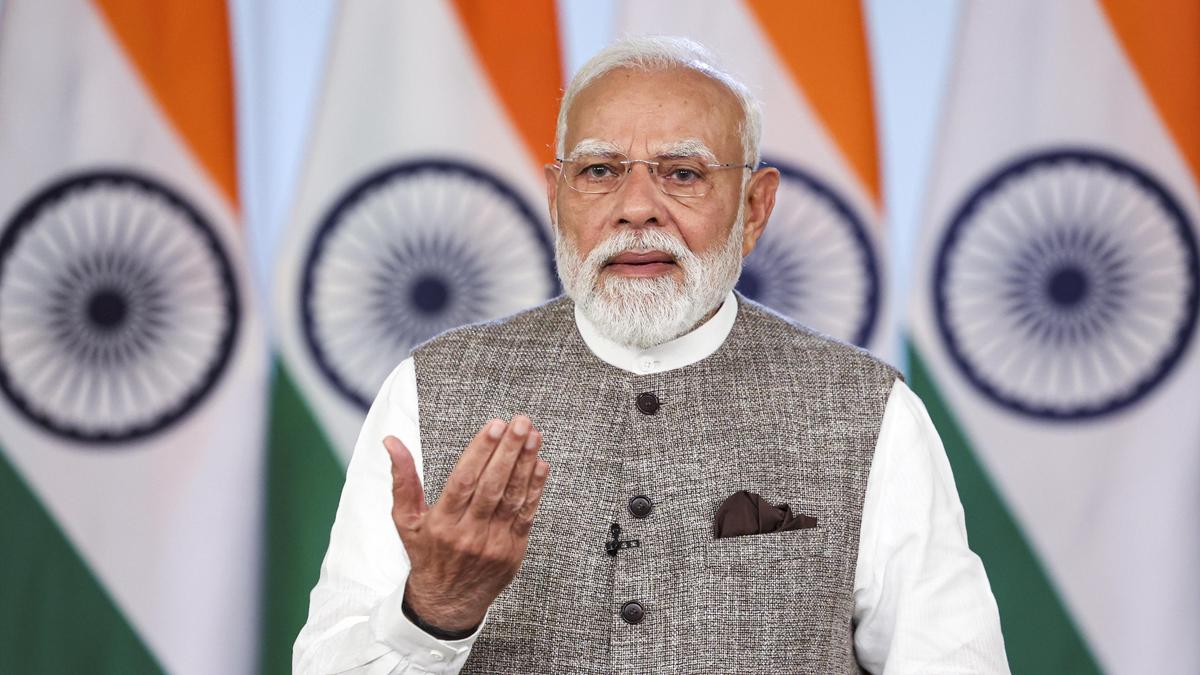
700 Activists Accuse PM Modi of MCC Breach
More than 700 activists have accused PM Modi of violating the Model Code of Conduct during a national address, raising concerns over electoral fairness.
Global Politics
Iran Releases $12B Frozen Assets Deal
Iran secures $12 billion in frozen assets as US lifts oil sanctions under new deal.