Modi Bengaluru Security Scare Widens Into NIA Probe
Gelatin sticks, threat calls and an NIA visit point to a case that now tests Karnataka policing and PM security coordination.
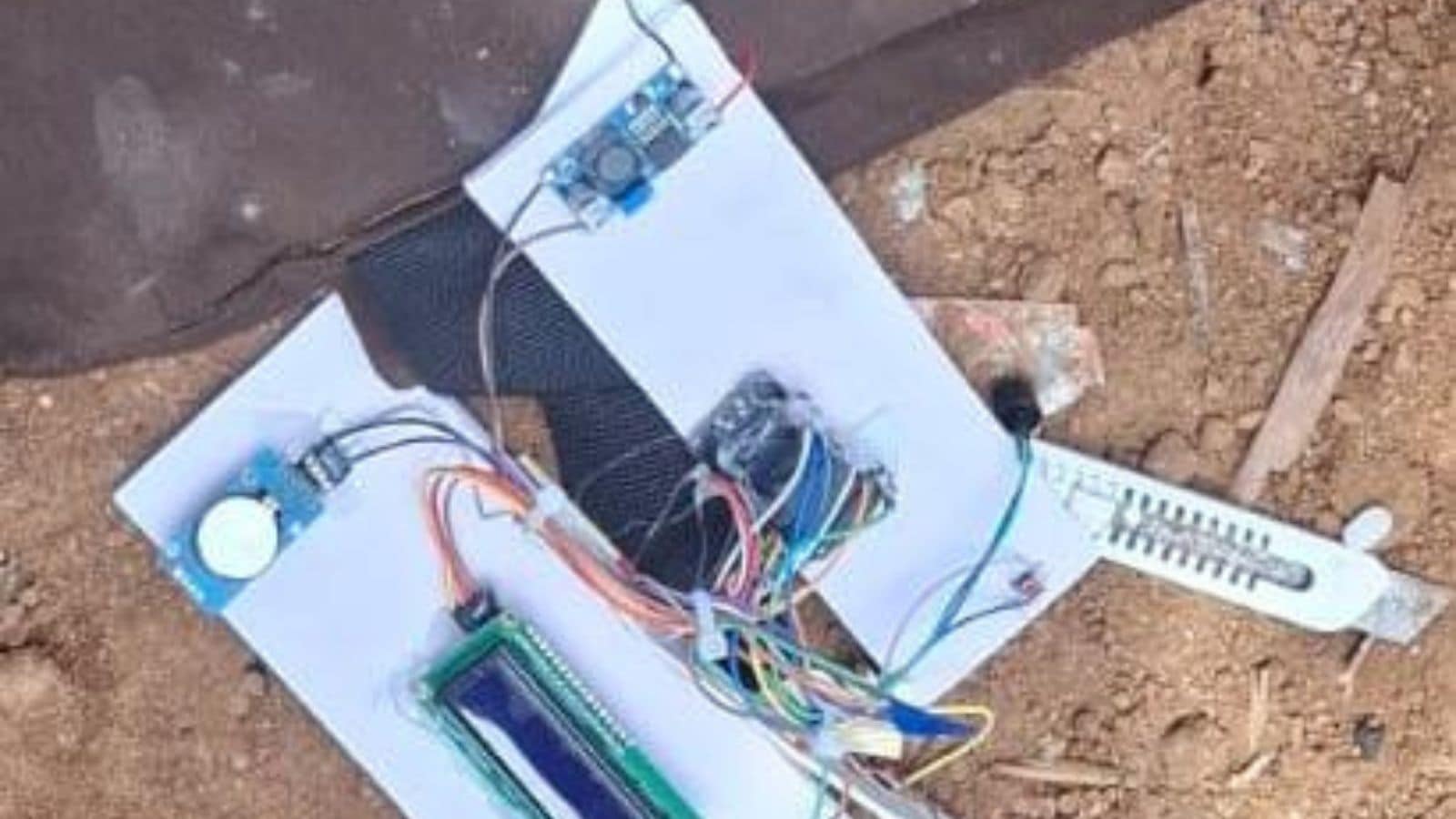
The Bengaluru incident is no longer being treated as a stray hoax or a routine bomb scare. Police recovered suspected explosive material — including gelatin sticks, wires and a timer circuit — near Prime Minister Narendra Modi’s convoy route on Sunday, and the NIA has now joined the probe as investigators examine whether the package and the earlier threat calls are linked ( Indian Express;
  The Hindu).
The leverage has shifted to the security agencies
The key fact is not just that something suspicious was found on the route to the Art of Living campus near Thathaguni/Kaggalipura. It is that the package was discovered during route sanitisation for a PM visit, in a box that police say contained six stick-like objects resembling gelatin sticks, along with detonators, wires, camphor and matchsticks (Indian Express; The Hindu). That pushes the case beyond local nuisance and into a national security frame.
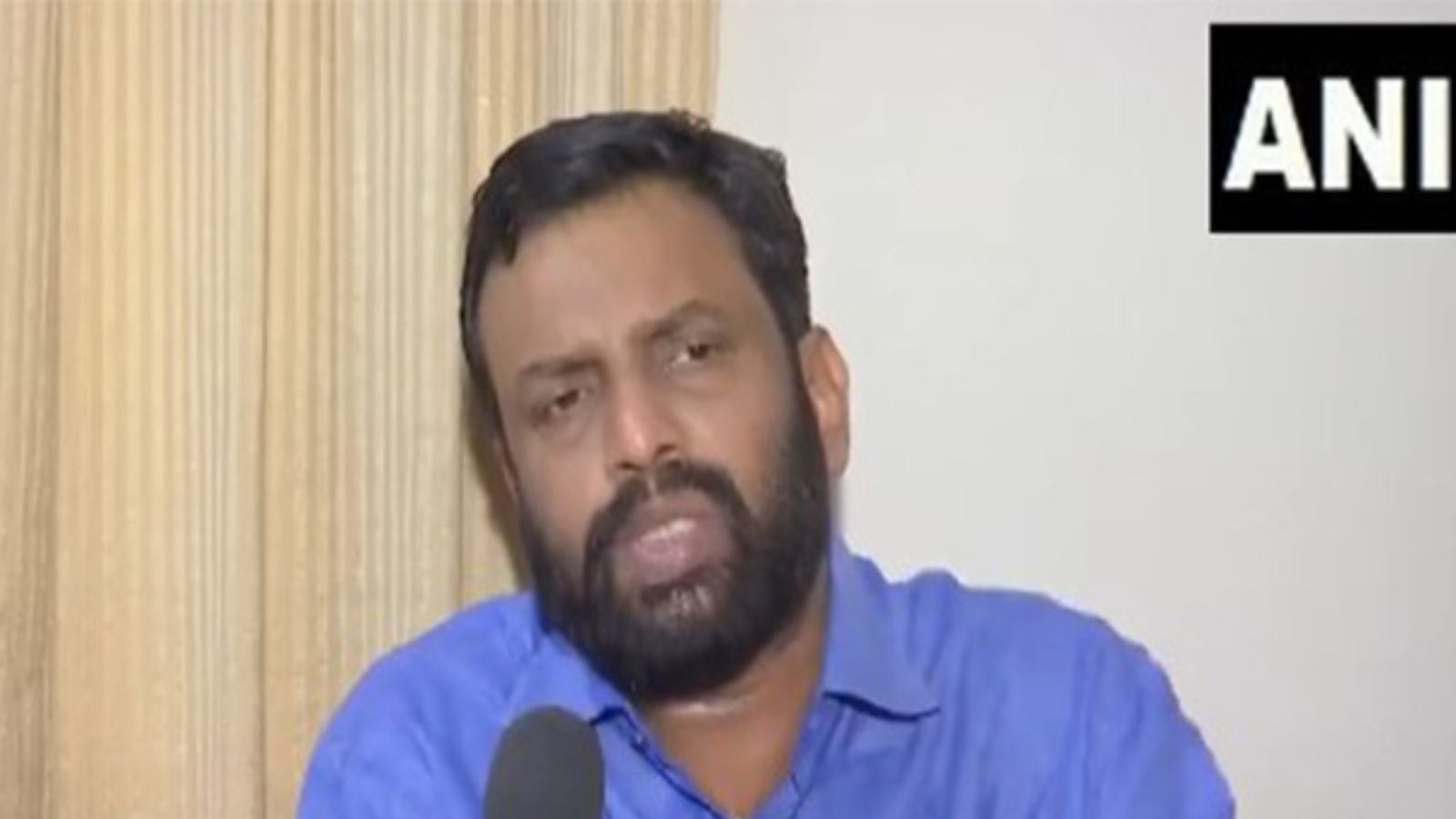
Police also traced a threat call to a man identified as Lohith, 40, but officials say preliminary inquiry has not established a direct link between him and the recovered material. Bengaluru police say he is mentally unstable and has made similar hoax calls during previous VIP visits (Indian Express). That detail matters: if the call is a repeat hoax but the package is real, investigators are dealing with two different problems, not one.
Why this matters politically
This is a stress test for the layered security around a sitting prime minister. Karnataka police handled the first response, but once the NIA, NSG and central intelligence teams entered the site, the issue became one of inter-agency credibility as much as threat detection (Indian Express; The Hindu). The state government now has to show the package was found before the convoy arrived; the Centre has to show that a PM visit in a major city was never actually at risk.
That creates a familiar political dynamic: if the case stays limited to an unstable caller and abandoned gelatin sticks, the system can claim it acted quickly. If forensic work shows the materials were live, placed deliberately, or connected to a wider conspiracy, the story shifts to a serious security lapse with both state and central consequences. Either way, the burden is now on investigators to prove the route was contained, not merely checked.
What to watch next
The next decision point is forensic confirmation: were these usable explosives, and was there any functioning detonator setup? After that, the crucial questions are CCTV, call records and movement data around Thathaguni and Koramangala — especially whether they tie Lohith to the package or reveal another actor (Indian Express; The Hindu).
For  India, the real issue is not the scare itself. It is whether the security system can show it caught a genuine threat early — or whether this becomes another example of a VIP route being secured only after a warning call forced the system into motion.