Mejia vs. Hathaway
Democrat Analilia Mejia faces Republican Joe Hathaway in NJ.
Model Diplomat3 min readNew Jersey

Democrat Analilia Mejia and Republican Joe Hathaway Vie for NJ House Seat
In a critical New Jersey special election Thursday, Democrat Analilia Mejia faces Republican Joe Hathaway to replace Mikie Sherrill in a closely watched U.S. House race.
Analilia Mejia, who surged through a competitive Democratic primary, squares off against Randolph council member Joe Hathaway in a special election to fill the New Jersey 11th Congressional District seat vacated by Mikie Sherrill. The election, set for April 17, 2026, has drawn national attention as a litmus test for both parties in a politically diverse suburban district.
Why This Race Matters
Sherrill, a moderate Democrat and former Navy pilot, left her seat to pursue other opportunities, making the open seat a strategic prize for both parties. The 11th District, covering a mix of affluent suburbs and working-class towns west of New York City, is a political bellwether. It narrowly swung for Joe Biden by about 4 percentage points in 2020 but showed signs of Republican gains in recent state-level contests.
Mejia emerged as the Democratic nominee from a crowded primary field. Her momentum reflects strong grassroots organizing and the backing of progressive heavyweights like Senator Bernie Sanders, signaling a shift toward more left-leaning Democrats even in suburban areas. This endorsement is notable, as it suggests the Democratic base in New Jersey’s suburbs may be leaning into a progressive agenda despite traditional moderate dominance.
On the other side, Hathaway represents the Republican effort to capitalize on shifting voter sentiments in the district. As a local council member, he has rooted support in the district’s conservative pockets and appeals to independents wary of federal spending and social policies pushed by Washington Democrats.
The race doubles as a referendum on the national political climate heading into the 2026 midterm elections. Republicans have sensed vulnerabilities in suburban districts like New Jersey’s 11th, which balance economic prosperity with cultural and demographic change. Democrats see this as a must-hold seat to demonstrate continued suburban support despite economic headwinds and internal party debates over direction.
What to Watch Next
Turnout will be crucial. Special elections traditionally see lower participation, but both campaigns have invested heavily in ground operations to energize their bases. Democratic get-out-the-vote efforts are emphasizing health care and climate policies, while Republicans focus on inflation, crime, and education concerns—issues that resonate locally and nationally.
A Mejia victory would reinforce the increasing viability of progressive candidates in battleground suburban districts, potentially encouraging similar candidates elsewhere. It would also provide a boost to Democratic morale amid recent electoral setbacks in other states.
Conversely, a Hathaway win would be a red flag for Democrats, underscoring Republican potential to reclaim ground in post-Obama suburban strongholds. Such an outcome might push Washington Democrats to reconsider their strategy, especially on economic issues and messaging toward centrists.
Either result is a snapshot of evolving suburban political dynamics in America’s diverse electorate. As this race unfolds, it offers a microcosm of the broader tension between progressive enthusiasm and moderate pragmatism within the Democratic coalition, alongside Republican efforts to build a winning suburban coalition ahead of 2026 midterms.
For those tracking American electoral trends, New Jersey’s 11th District special election is a must-watch event that could foreshadow national political shifts.
See more on evolving U.S. politics and the
United States political landscape.
Source: Washington Post, April 16, 2026
Discover more

US Politics
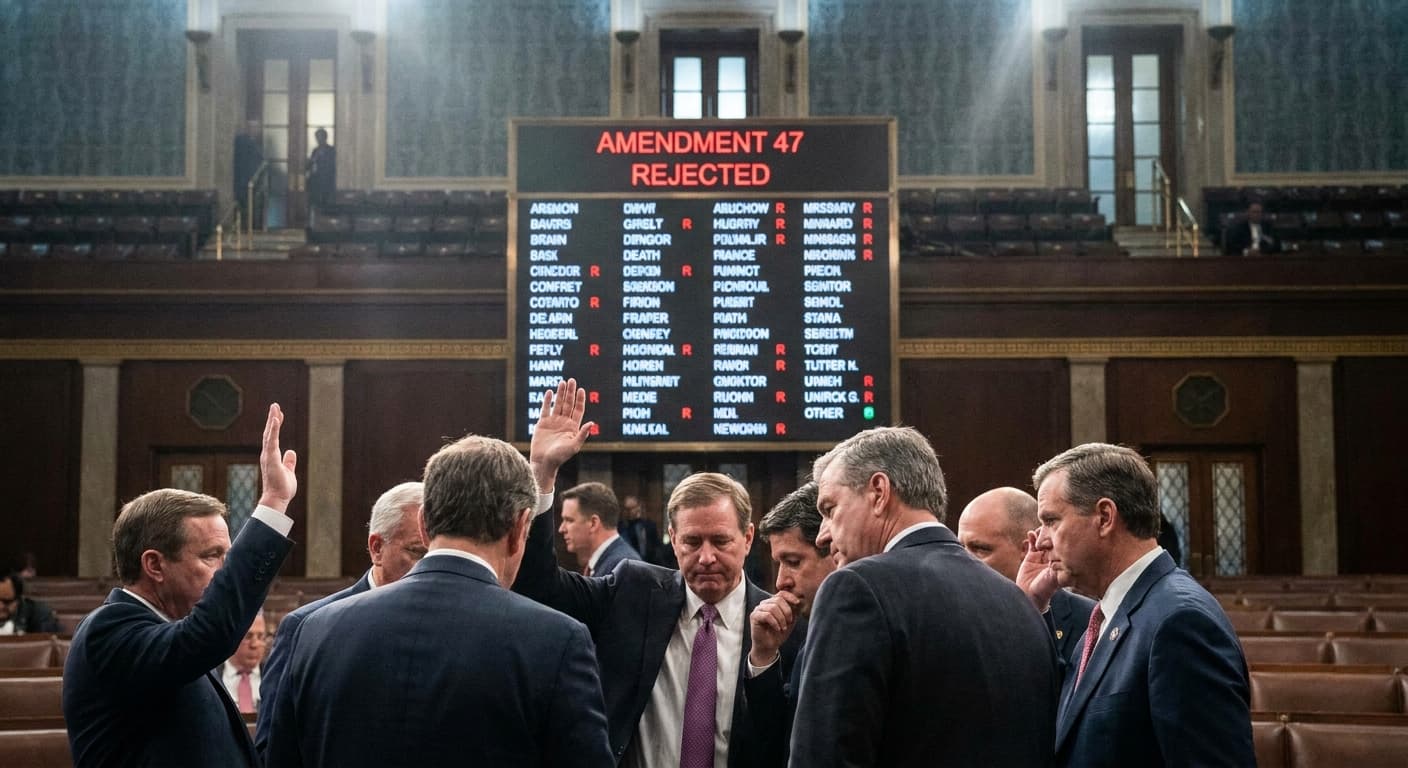
House Vote on Trump Iran Strikes Reveals Divs
The House narrowly declined to block Trump from striking Iran, a close vote that laid bare deep partisan divides over war powers and U.S. military action.
US Politics
House Rejects Resolution on Trump's Iran Host
The House voted down a resolution to limit Trump's military actions in Iran, laying bare partisan divides and reigniting debate over presidential war powers.

US Politics
House Republicans vs Senate
House Republicans split over DHS funding, pushing a narrow ICE and Border Patrol focus while the Senate backs a broader approach to immigration and security.
Economics
Fed's Amex AML order puts correspondent banking on notice
Federal Reserve's Amex AML order requires board-level controls and a 90-day plan; OCC fined the bank $350 million over enterprise-wide deficiencies.