May Day 2026
Global protests link wage demands to immigration and tariffs.
Model Diplomat3 min readGlobal
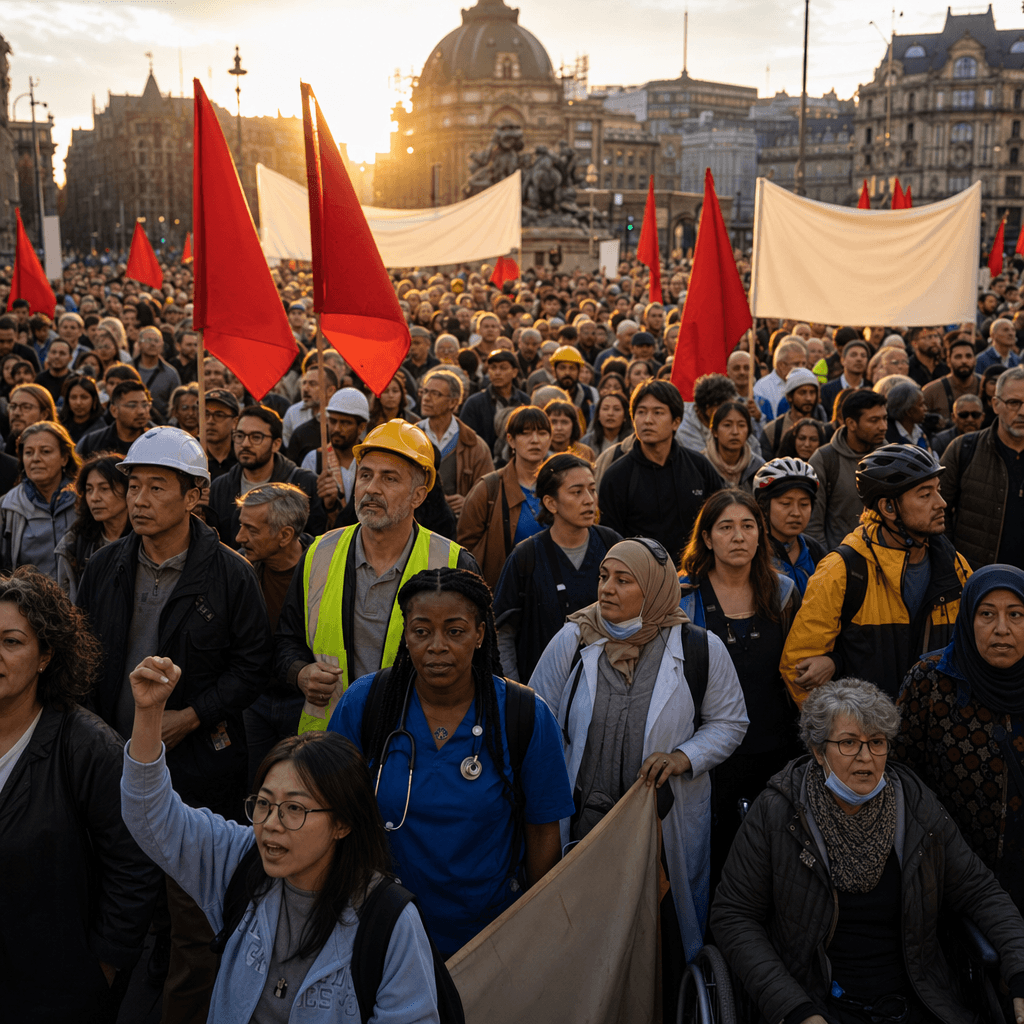
May Day 2026 Shows Labor’s New Political Coalition
From Manila to Los Angeles, May Day protests tied wage demands to immigration, tariffs and state power — widening labor’s political reach.
Workers used May 1, 2026 to widen the fight. In the Philippines, protesters marched toward Malacañang in Manila, while AP’s global photo coverage captured demonstrations in Seoul, Paris, Istanbul, Berlin, Colombo, Jakarta, Beirut, Lima and Buenos Aires Workers around the world demonstrate on May Day, in photos;
Workers rule the streets on May Day. In the United States, organizers explicitly targeted President Donald Trump’s tariffs, immigration crackdown and cuts to labor protections, with rallies in New York, Philadelphia, Los Angeles, Chicago, Atlanta and outside the White House
May Day demonstrations in US and around the globe protest Trump agenda.
Labor is broadening its coalition
The key power shift is organizational, not ideological. Unions are no longer presenting May Day as a narrow wage-and-benefits event. In the US, labor groups marched alongside immigrant-rights activists, students and federal workers; Bernie Sanders appeared at a Philadelphia rally, underscoring how quickly labor protest is merging with a wider anti-administration front May Day demonstrations in US and around the globe protest Trump agenda.
That benefits organized labor. A broader coalition means bigger turnout, more media attention and more leverage against governments that would prefer to treat tariffs, deportations and workplace rules as separate fights. It also raises the political cost for governments. In places where marches moved toward seats of power — including Malacañang in Manila — the message was not symbolic solidarity but direct pressure on the state Workers around the world demonstrate on May Day, in photos.
For readers tracking Global Politics, that is the real signal: May Day is becoming a coalition test for opposition forces, not just a labor holiday.
The grievances are durable, not episodic
This year’s protests also showed continuity. In 2024, May Day rallies were already driven by rising prices, low wages and demands for stronger labor rights; in Istanbul, police detained at least 210 people as crowds tried to reach Taksim Square, while Paris saw tear gas and clashes May Day 2024: Workers and activists call for greater labor rights.
The 2026 pattern suggests those economic grievances never disappeared. What changed is the packaging. Cost-of-living pressure remains the entry point, but movements are now attaching it to immigration, public-sector cuts and executive power. That makes the protest coalition harder to isolate — and harder to buy off with a single concession.
What to watch next
Watch whether one-day turnout becomes repeat disruption. In US Politics, the next test is whether labor, immigrant-rights groups and public-sector workers stay aligned once the fight moves from marches to contracts, agency rules and court battles
May Day demonstrations in US and around the globe protest Trump agenda. Globally, the signal to watch is not the photo count from May 1 but whether cities that saw confrontation or large mobilization produce follow-on strikes, transport stoppages or new anti-government marches in the next several weeks
Workers rule the streets on May Day;
May Day 2024: Workers and activists call for greater labor rights.
Discover more
Economics
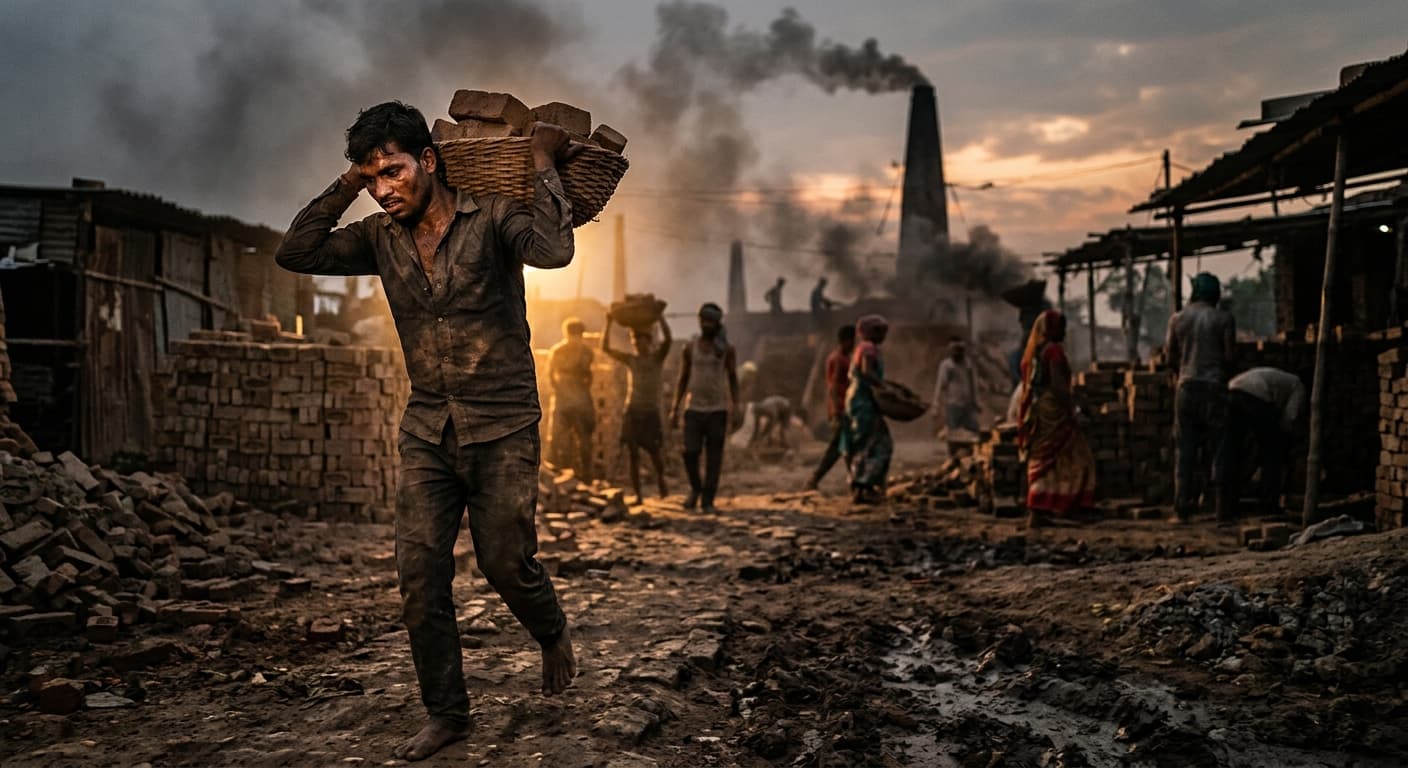
India's Forced-Labor Ban: Tariff Shield, Not
India bans forced-labor imports in a move mirroring US law, aiming to dodge a 12.5% Section 301 tariff and restart stalled trade talks, not to address 11 million domestic modern slavery victims.
Economics
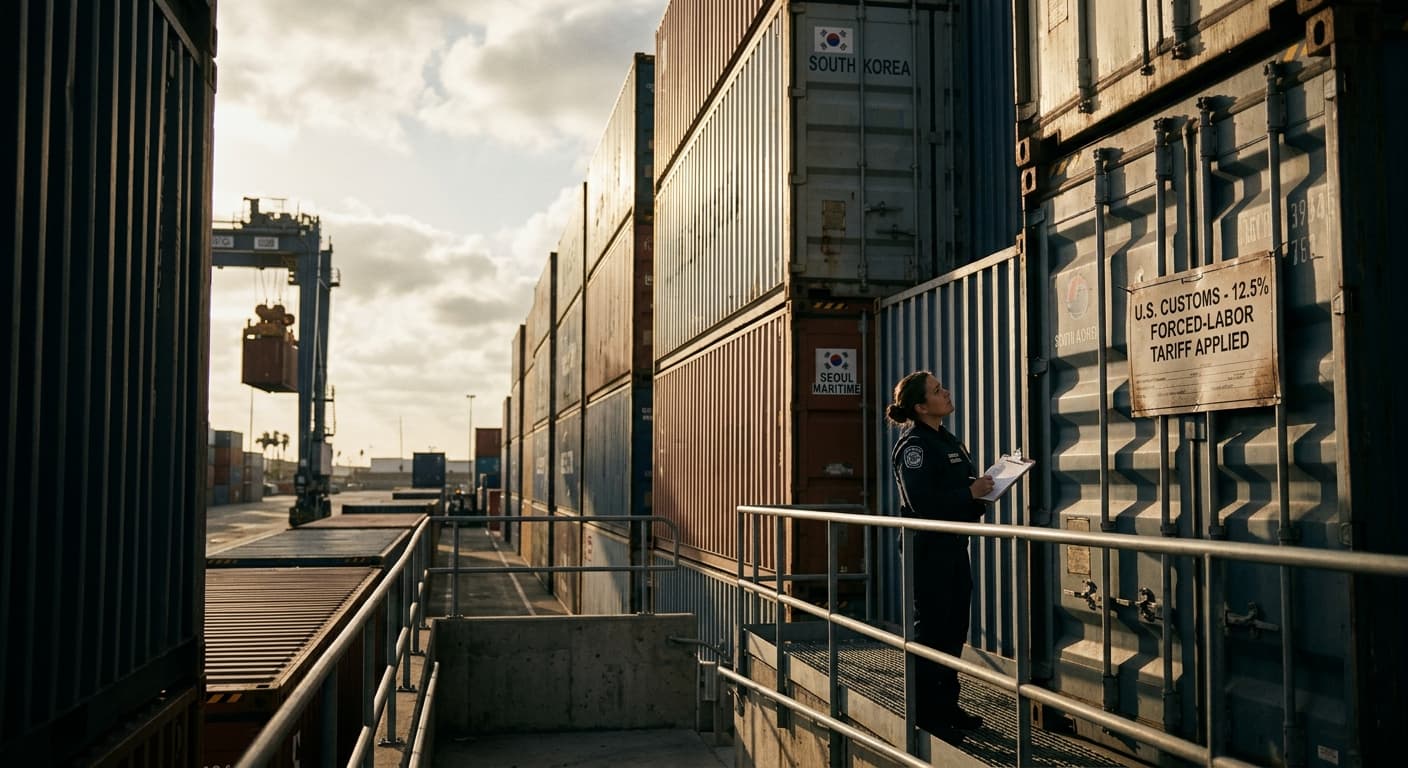
Seoul Faces 12.5% U.S. Forced-Labor Tariff
As the 10% global tariff expires, South Korea confronts a 12.5% U.S. tariff labeled as forced-labor punishment, raising political tensions.
Economics
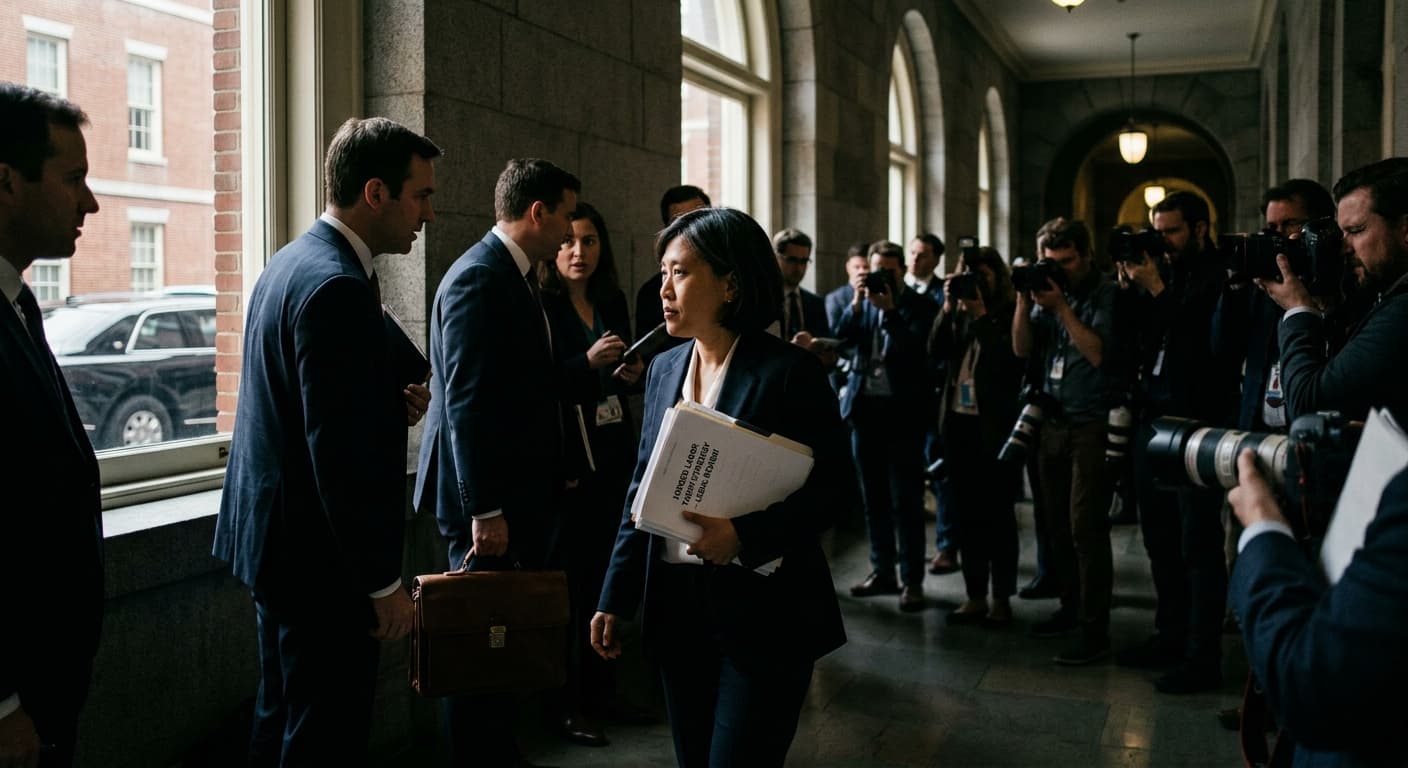
US Forced-Labor Tariffs: Legal Gamble Ahead
The USTR proposes 10-12.5% tariffs on 60 economies for forced labor, aiming to rebuild a tariff wall after a Supreme Court ruling.

India
BJP Supports Telangana RTC Workers Crisis
BJP leveraged Telangana RTC strike to challenge Congress, forcing Revanth Reddy to confront unfulfilled manifesto promises amid fiscal constraints.