Mamata Banerjee vs Modi
Intensifying political clash ahead of West Bengal elections
Model Diplomat3 min readWest Bengal

'Cowardly', 'Betrayed women': Mamata vs Modi Fuels Bengal’s Pre-Poll Firestorm
West Bengal’s state assembly election race intensifies as Mamata Banerjee lashes out at PM Modi, signaling a high-stakes political showdown.
West Bengal’s pre-election atmosphere is crackling with conflict as Chief Minister Mamata Banerjee took an unusually fiery swipe at Prime Minister Narendra Modi’s latest national address, branding it “cowardly, hypocritical and fork-tongued.” With the state assembly elections looming in early 2026, this verbal confrontation signals a battle far more personal—and politically charged—than usual party sparring.
Why Mamata’s Attack Matters More Than Just Rhetoric
Banerjee’s use of words like “cowardly” and “betrayed women” goes beyond standard political invective. Modi's speech had vague appeals, but for Banerjee to publicly label it as a betrayal of women and attack Modi’s political credibility reveals the deep polarization. It’s a tactical escalation designed to sharply define the electoral narrative—not as a policy debate but a fight for moral and political legitimacy.
West Bengal has been a difficult battlefield for Modi’s Bharatiya Janata Party (BJP). Despite massive organizational efforts and resources, Modi’s attempts have not broken Banerjee’s long-standing hold. Her Trinamool Congress (TMC) retains deep grassroots loyalty, especially among women and marginalized communities. By framing Modi’s speech as a betrayal, Banerjee is trying to galvanize this base, particularly women voters—a crucial demographic—by appealing to emotions rather than just political lines.
This strategy taps into a larger trend in Indian state elections where identity and emotional appeals are increasingly significant. Banerjee’s call-out is about more than Modi’s speech; it’s about painting BJP as a force that undermines women’s security and dignity, which could have measurable electoral impact in a state where women’s turnout is significant.
The High Stakes in Bengal Ahead of 2026
West Bengal’s assembly election is a bellwether for Modi’s national ambitions and BJP’s push into eastern India. Winning Bengal would be a massive psychological and electoral victory for Modi, signaling expansion beyond BJP’s traditional power centers in the Hindi heartland.
After Modi’s repeated losses in Bengal since 2019’s general election, the BJP has redoubled efforts, including deploying national-level leaders and focusing on law-and-order themes with slogans like “Maha Jungle Raj” (great jungle lawlessness), which Banerjee also vehemently rebuffs, calling them “cowardly” attacks.
The clash also highlights Banerjee’s survival instinct. Faced with erosion in urban areas and facing internal dissent, she has little choice but to double down—despite criticism of her governance—from a position of confrontation rather than accommodation. This stark polarization risks further hardening communal and political divides in Bengal, historically volatile and diverse.
What to Watch as Bengal’s Drama Unfolds
The escalating rhetoric between Modi and Banerjee is a clear signal that Bengal’s campaign will be defined by identity, image, and emotion over policy specifics. Both camps aim to dominate the narrative, making the election less about governance record and more about symbolic victories.
Watch for Banerjee’s appeal to women voters in particular, including specific policy promises or symbolic acts that might shore up support among this key segment. Modi’s response, likely to sustain his tough law-and-order messaging, will test whether BJP’s expanded organizational muscle can translate inflammatory rhetoric into electoral gains.
Finally, Bengal’s election outcome will influence the national political landscape immensely. A TMC victory would deny Modi a critical eastern foothold, preserving a vital opposition bastion. If BJP breaks through, it reconfigures power balances in India ahead of the 2029 general elections.
In short, this war of words is a prelude to a seismic political battle whose reverberations will be felt far beyond Kolkata.
For further reading on Indian politics, see our India brief and the wider
Global Politics landscape.
Hindustan Times: 'Cowardly', 'betrayed women': Mamata vs Modi takes over West Bengal ahead of polls
Discover more
India
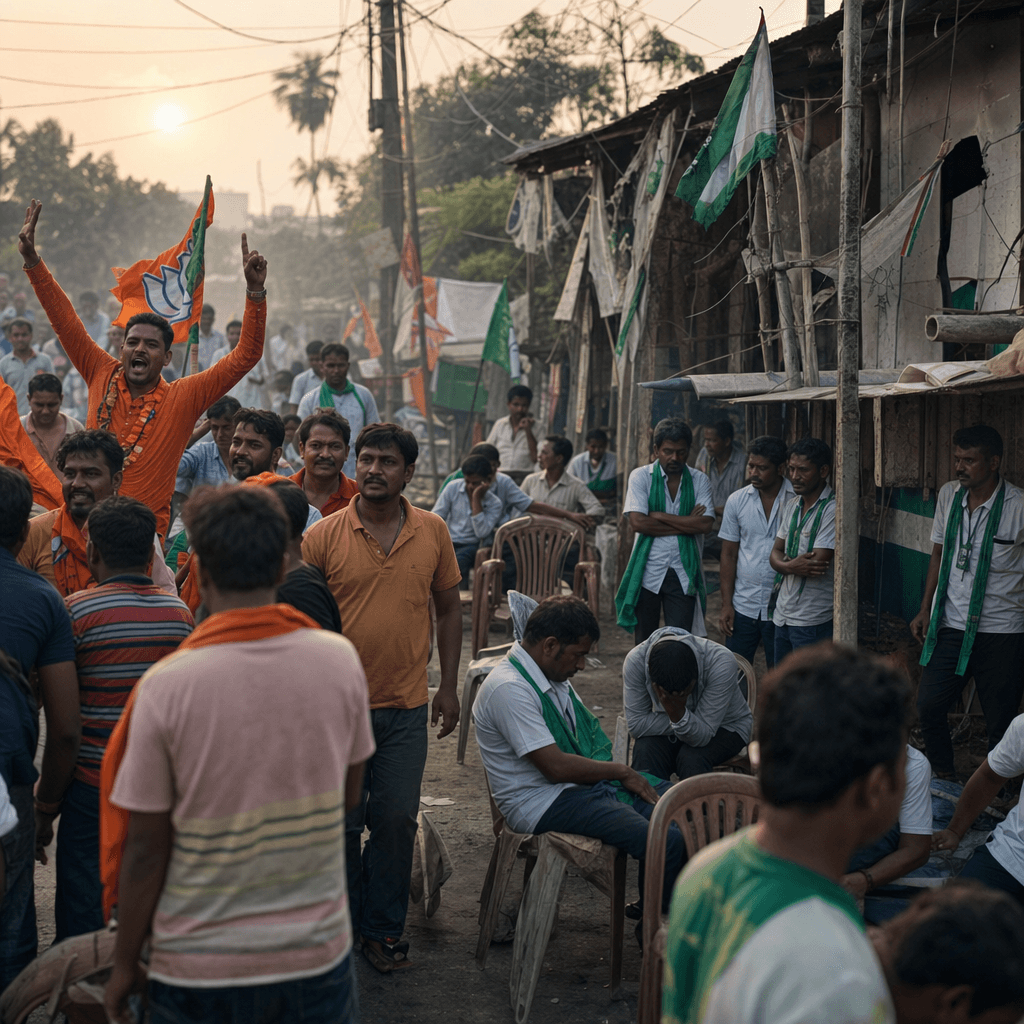
BJP's Falta Win Signals TMC's Decline
The BJP's win in Falta exposes the TMC's fraying local machinery and leadership cracks in West Bengal, signaling deeper trouble for Abhishek Banerjee's party.
India
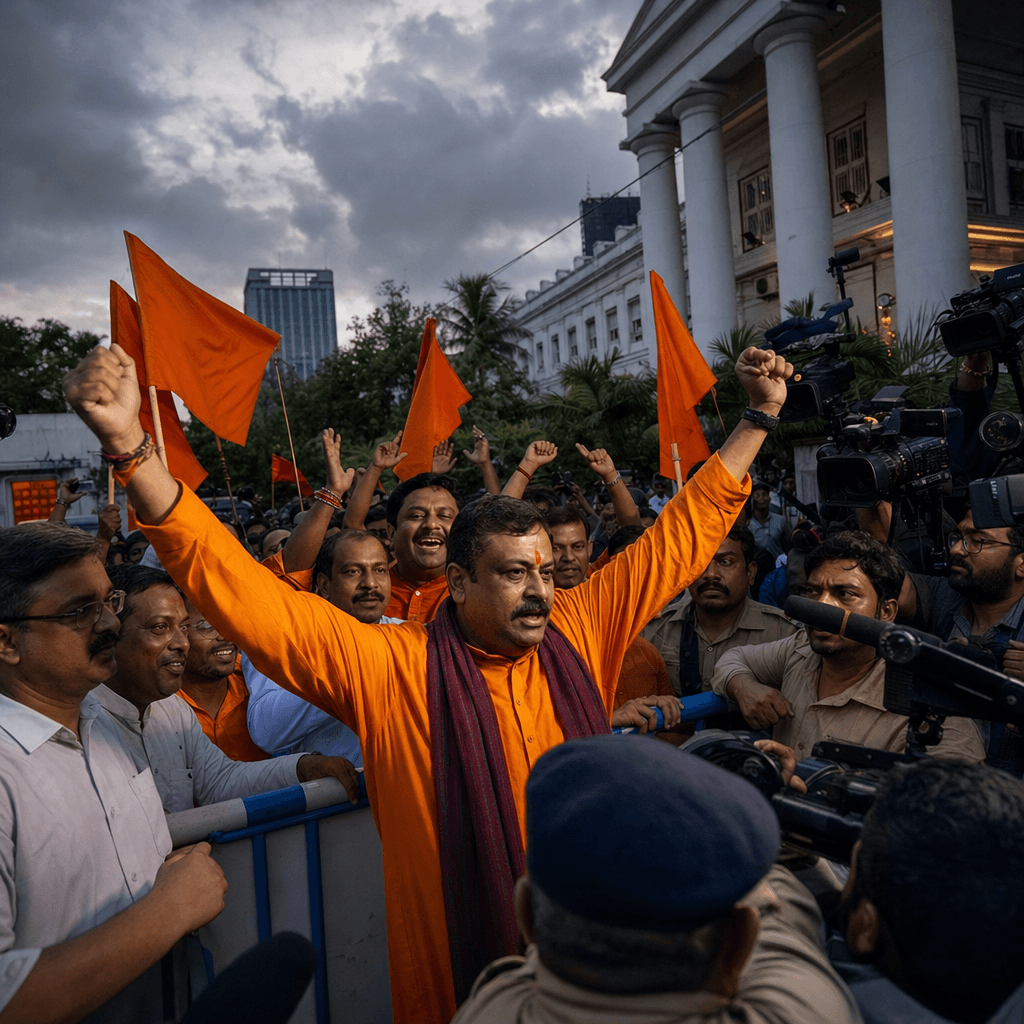
BJP’s West Bengal Sweep Forces Rethink
The BJP's sweeping victory in West Bengal reshapes Indian politics, forcing a battered Opposition to rethink strategy as the party extends its dominance.
India
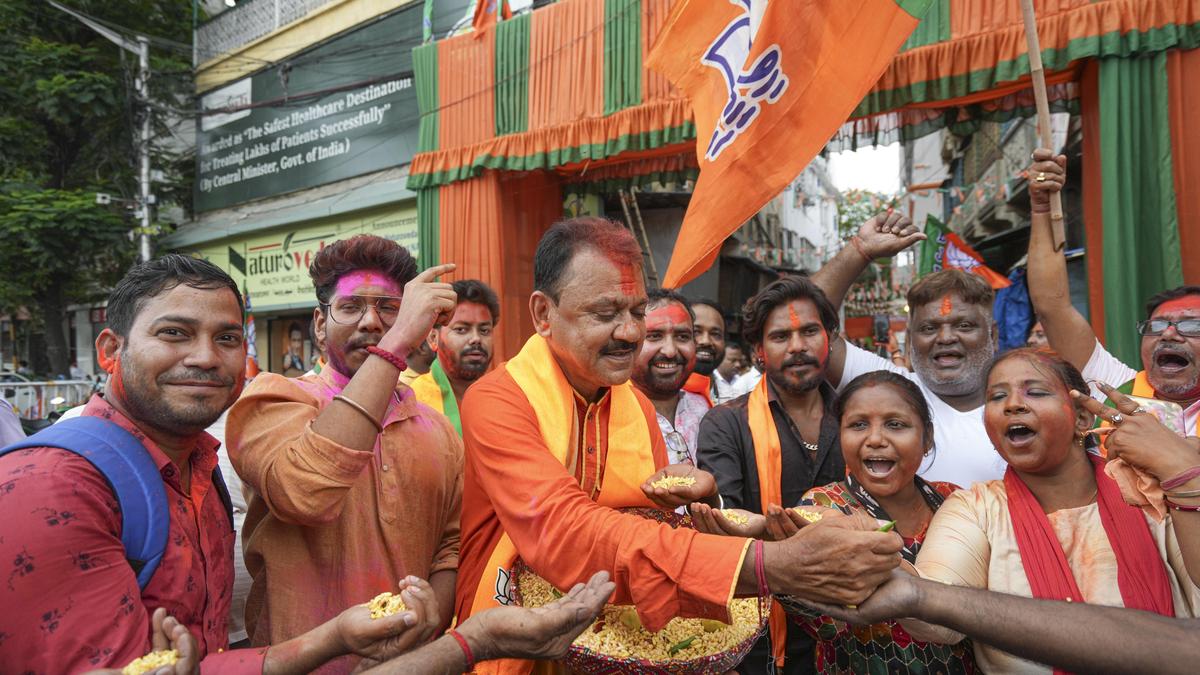
BJP Elevates Jhalmuri as Power Symbol in West
The BJP turns jhalmuri into political theatre in West Bengal, using the street snack as cultural symbolism to challenge Mamata Banerjee and stake a power claim.
India
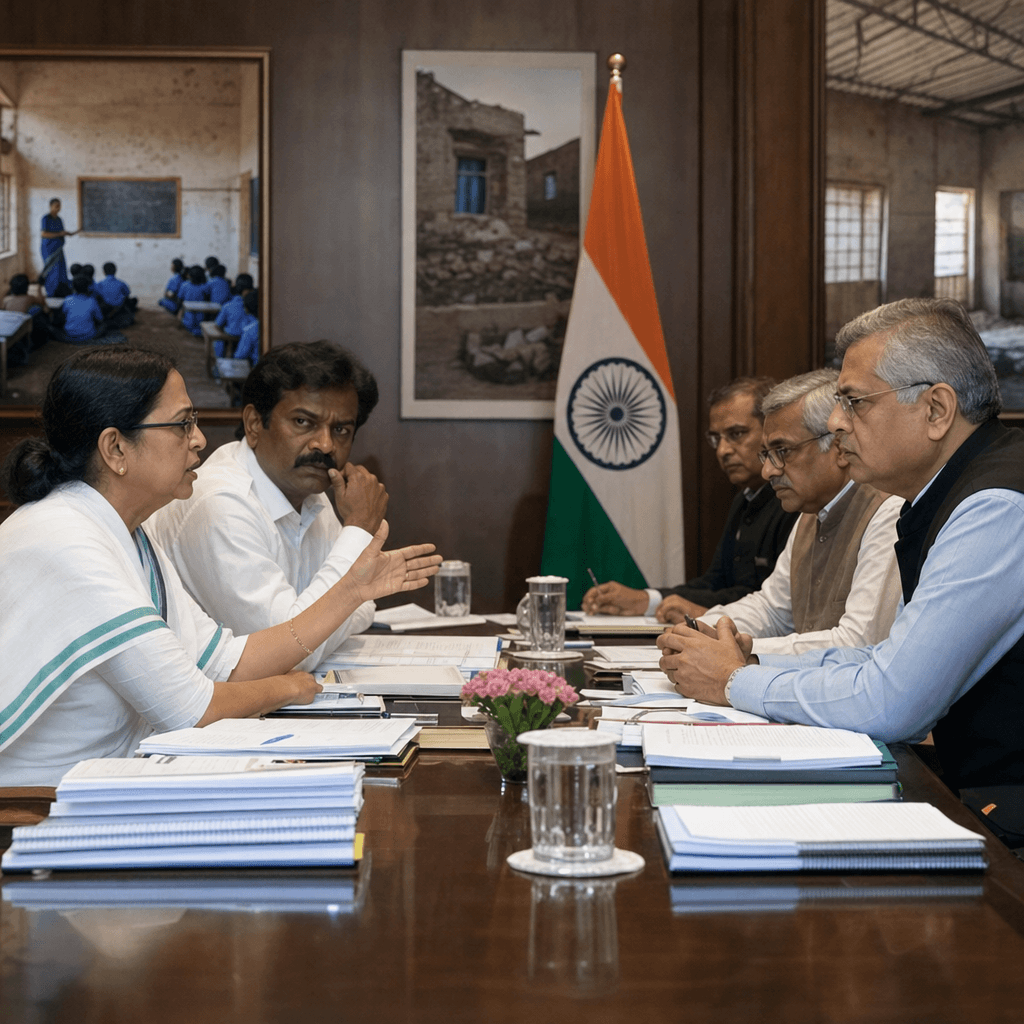
Centre Pressures Bengal, Tamil Nadu on PM SH
The Centre presses West Bengal and Tamil Nadu to sign onto PM SHRI, tying education funds to compliance and reigniting a federalism clash over school policy.