Mamata Banerjee Critiques Modi's Women’s Quo
West Bengal CM criticizes PM Modi's political strategy on women's reservation.
Model Diplomat2 min readIndia
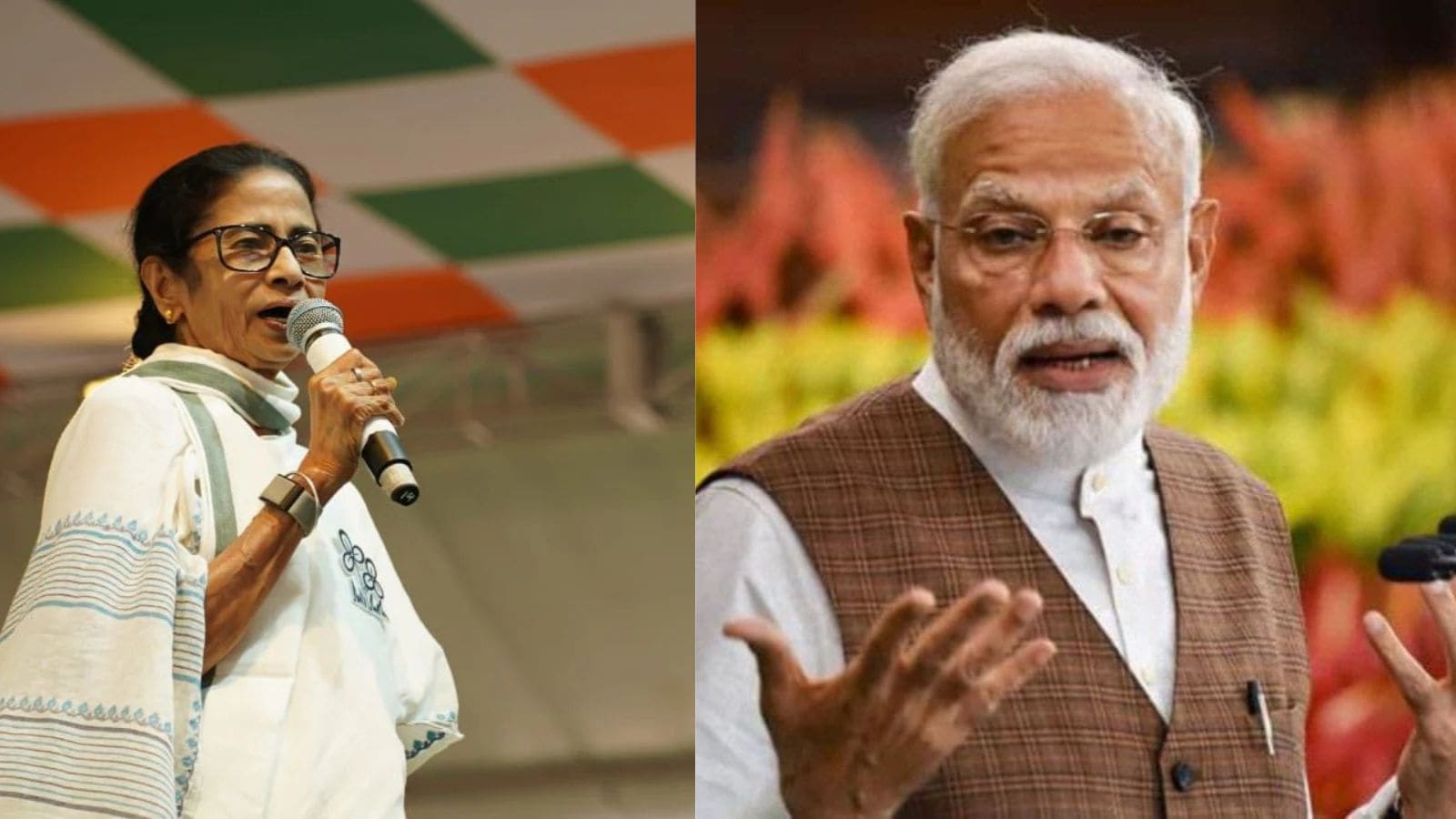
Mamata Banerjee Condemns Modi's Women’s Quota Link to Delimitation
Mamata Banerjee calls PM Modi’s tie between women’s reservation and delimitation a "foeticide" attack on federal democracy and warns of gerrymandering risks.
West Bengal Chief Minister Mamata Banerjee sharply rebuked Prime Minister Narendra Modi for linking the much-delayed Women’s Reservation Bill to the nationwide delimitation exercise. She described Modi’s framing of this linkage as a “foeticide” attack—an inflammatory charge underscoring her deep opposition to the strategy. Banerjee warned the core threat lies not in women’s representation but in delimitation, which she accused of being a mechanism for BJP-led states to engage in politically motivated gerrymandering.
Why This Matters: Women’s Quota Stalled Amid Political Maneuvering
The Women’s Reservation Bill, which proposes reserving 33% of seats in Parliament and state assemblies for women, has been in limbo for years despite widespread calls for gender parity in Indian politics. Modi’s recent remarks linking the bill to the delimitation process complicate the issue further. Delimitation involves redrawing electoral boundaries based on population changes, which can significantly influence electoral outcomes and party dominance.
Banerjee’s critique highlights a crucial federal tension: BJP-ruled states stand to benefit politically from delimitation, potentially shifting constituency boundaries to their advantage through gerrymandering. Her framing suggests that Modi’s approach weaponizes women’s representation in a political gamble that undermines democratic fairness and federal balance. This is consistent with West Bengal’s historic opposition to BJP’s expanding influence and centralization trends under Modi’s government.
The confrontation signals deepening fault lines between the central government and opposition-led states resistant to perceived BJP overreach. It also reflects broader debates on whether delimitation will be a neutral technical exercise or a partisan tool tilted in favor of the ruling party.
What to Watch Next: Delimitation’s Political Fallout
The key risk is that delimitation, under Modi’s watch, could reshape India’s political map in a way that entrenches BJP dominance, particularly in states like West Bengal, Assam, and others where BJP is aggressively expanding. Watch for how opposition parties rally around Banerjee’s framing of “foeticide” to mobilize public opinion against the central government’s plans.
Another angle is how Modi’s government manages the Women’s Reservation Bill going forward. By bundling it with delimitation, the government risks alienating women’s groups and opposition parties demanding standalone progress on gender representation. The bill’s fate will be a litmus test for Modi’s political calculus on federal relations, gender politics, and electoral strategy.
Finally, legal battles and parliamentary debates over delimitation rules and timelines are likely to intensify, reflecting the high stakes involved in this redistricting exercise. The outcome will shape India’s political landscape for the next decade, influencing both electoral fairness and the pace of women’s political empowerment.
For deeper background, see our India country profile and the
Global Politics topic page.
Discover more
India
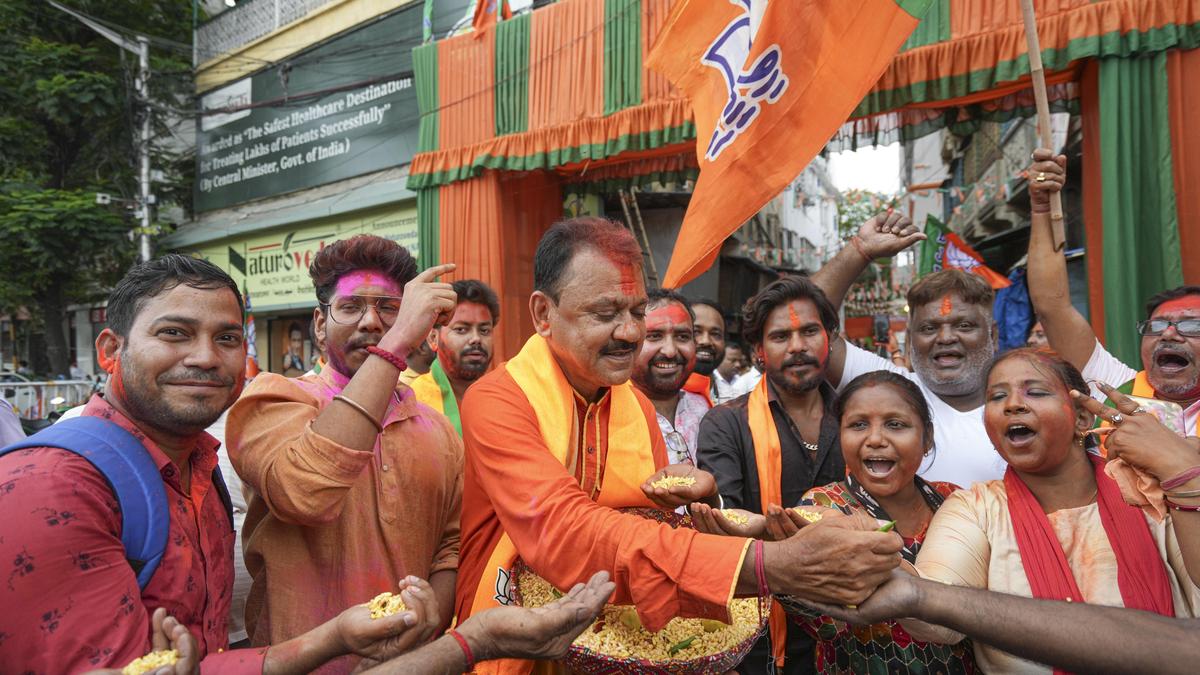
BJP Elevates Jhalmuri as Power Symbol in West
The BJP turns jhalmuri into political theatre in West Bengal, using the street snack as cultural symbolism to challenge Mamata Banerjee and stake a power claim.
India
BJP's Writers' Building Strategy in Bengal
The BJP's move into Writers' Building symbolizes a decisive power shift in West Bengal, signaling control as it displaces Mamata Banerjee's long-held base.
India
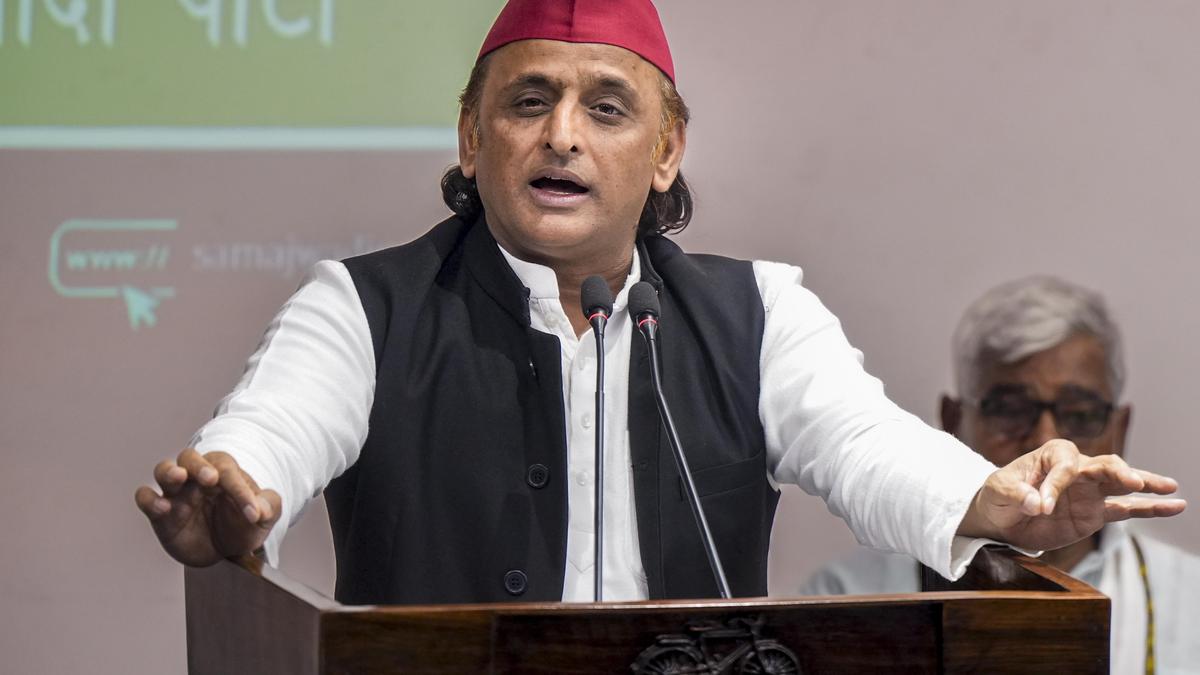
Akhilesh Yadav's Visit to Mamata Banerjee
Akhilesh Yadav's meeting with Mamata Banerjee signals a pivotal moment for the INDIA bloc, as opposition leaders test unity against the BJP ahead of contests.
Global Politics
BJP's Victory in West Bengal
The BJP's sweeping win in West Bengal marks a major setback for Mamata Banerjee and the INDIA bloc, signaling a significant realignment in state politics.