Mamata Banerjee Slams Modi on Women's Quota
TMC leader counters PM Modi's claims on women's empowerment
Model Diplomat2 min readIndia
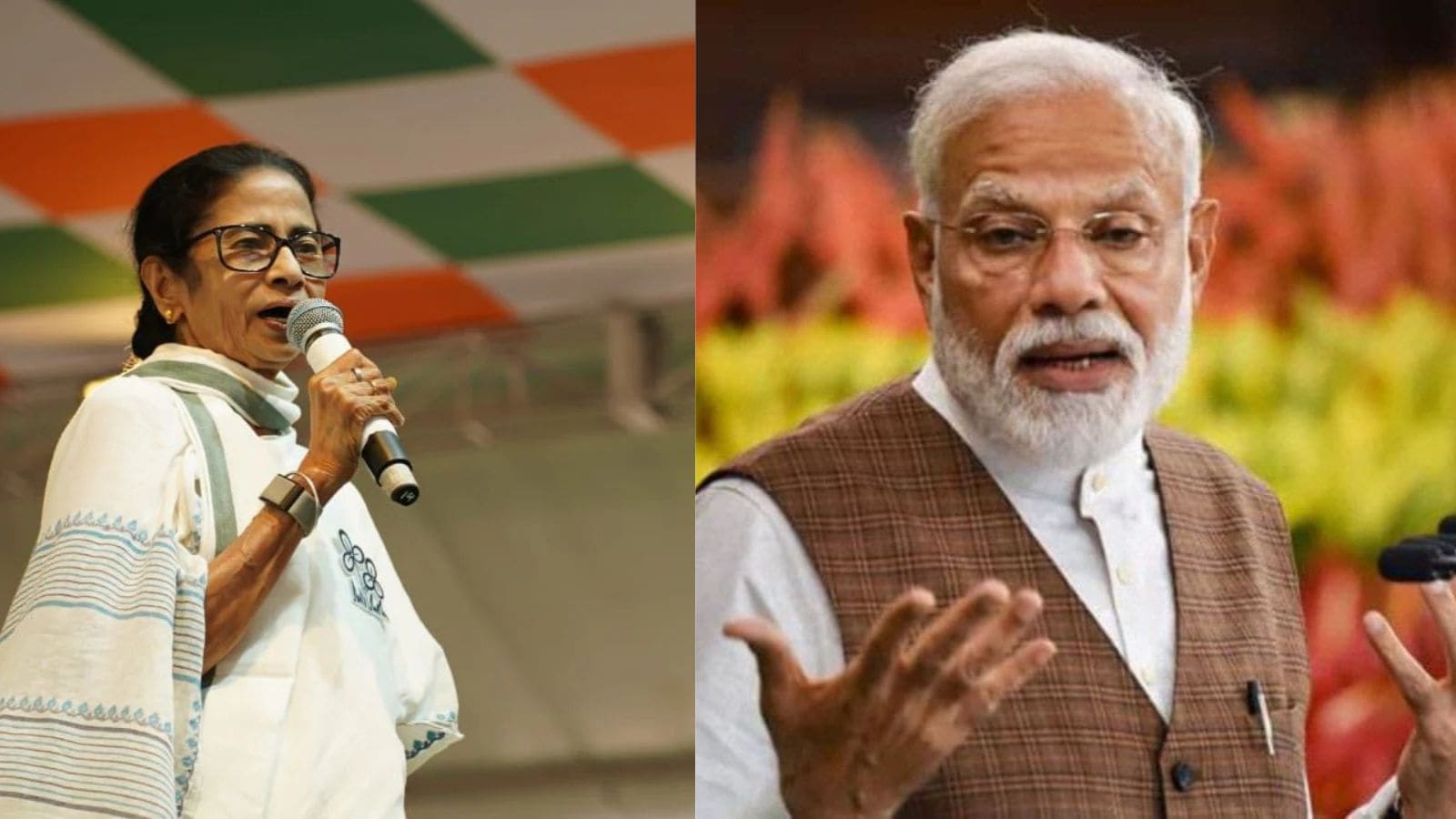
Mamata Banerjee Rebukes Modi Over Women’s Quota and 'Foeticide' Claim
Mamata Banerjee counters PM Modi’s defense of women’s reservation bill, highlighting TMC’s strong gender representation and criticizing Modi’s ‘foeticide’ charge against Opposition.
Mamata Banerjee, chief of the Trinamool Congress (TMC), lashed out at Prime Minister Narendra Modi following his recent televised address in which Modi defended the Women's Reservation Bill and accused Opposition parties of “foeticide.” Banerjee rejected the charge and underscored TMC's record of robust women’s representation in Parliament—37.9% of its Lok Sabha MPs and 46% of Rajya Sabha nominees are women. She argued that Modi’s core issue was not women’s empowerment but an attempt to manipulate electoral boundaries (delimitation) to his party’s advantage.
Women’s Reservation Bill: Not Just About Quotas
The Women's Reservation Bill has been a long-standing but contentious proposal aimed at reserving 33% of seats in Parliament and state assemblies for women. Modi's government recently pushed for this bill as a landmark step toward gender equality, framing opposition critics as opposing women's empowerment itself—a charged political move that Banerjee directly challenged.
Banerjee’s response pivots on two points: first, that the TMC already leads on women’s representation in national legislatures, making the bill’s opposition less about gender than politics. Second, Banerjee refuted Modi’s "foeticide" remark aimed at Opposition, noting how such rhetoric irresponsibly conflates complex social issues with political disagreements. Her rebuttal highlights a growing divide not just over women's issues, but over Modi’s style of framing debate through moral accusations.
Delimitation and Electoral Gains: The Real Issue?
Banerjee’s critique goes beyond women’s reservation to address the political subtext of Modi’s announcement—electoral delimitation. Delimitation redraws parliamentary and assembly constituency boundaries, influencing which party benefits electorally. Critics, including Banerjee, suspect Modi’s push for delimitation is a strategic move to engineer favorable constituencies in states like West Bengal, which TMC governs and where the BJP is trying to expand.
This context is key because it reveals why a bill ostensibly about gender rights is intertwined with intense political calculation. Banerjee’s emphasis on her party’s performance in women’s representation also serves to undercut the BJP's claim to be the primary champion of women's political empowerment.
What to Watch Next
Modi’s government has positioned the Women's Reservation Bill as a progressive achievement, yet the Opposition’s skepticism and Banerjee’s vocal response warn of fierce parliamentary battles ahead. Watch how this plays out in states slated for delimitation, particularly the political dynamics in West Bengal, Kerala, and Tamil Nadu—states with strong regional parties likely to resist BJP advances.
Moreover, Banerjee’s defense of TMC’s gender record and dismissal of Modi’s foeticide insinuation may embolden other regional leaders to critique both the substance and the tone of Modi’s campaigns. The broader political fallout could deepen polarization, framing women’s issues less as consensus-building policy and more as political leverage.
For a detailed backdrop, see India's political landscape and the history of gender representation battles in Indian democracy at
Global Politics.
Discover more
India
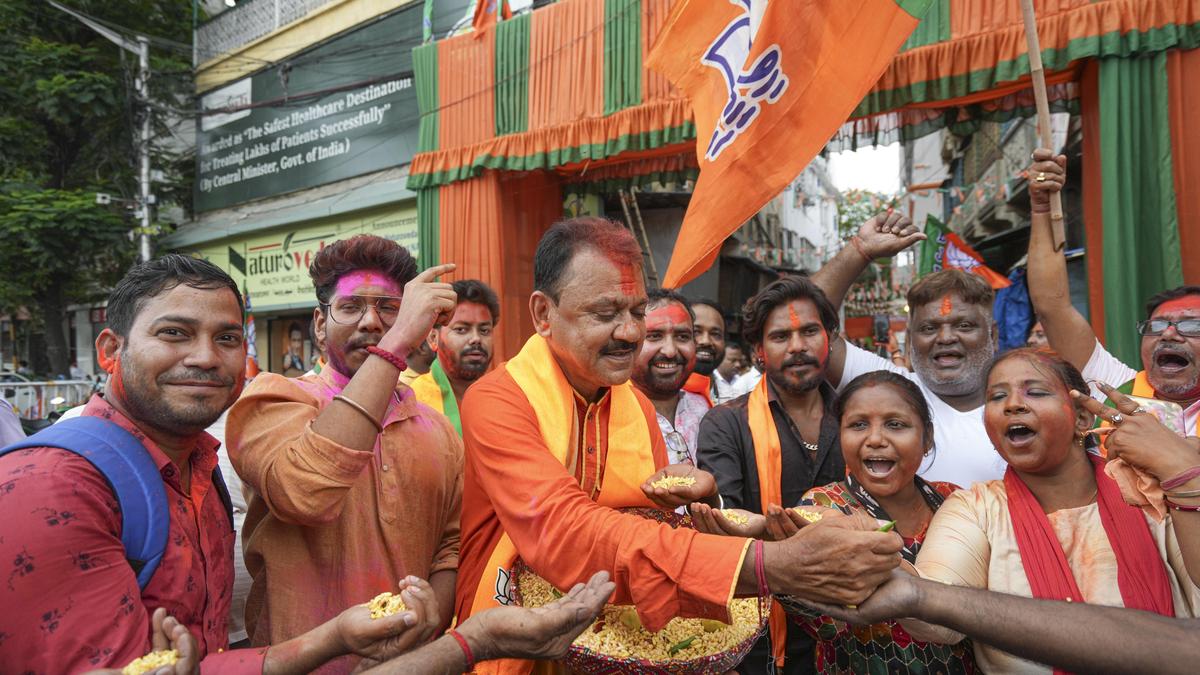
BJP Elevates Jhalmuri as Power Symbol in West
The BJP turns jhalmuri into political theatre in West Bengal, using the street snack as cultural symbolism to challenge Mamata Banerjee and stake a power claim.
India
BJP's Writers' Building Strategy in Bengal
The BJP's move into Writers' Building symbolizes a decisive power shift in West Bengal, signaling control as it displaces Mamata Banerjee's long-held base.
India
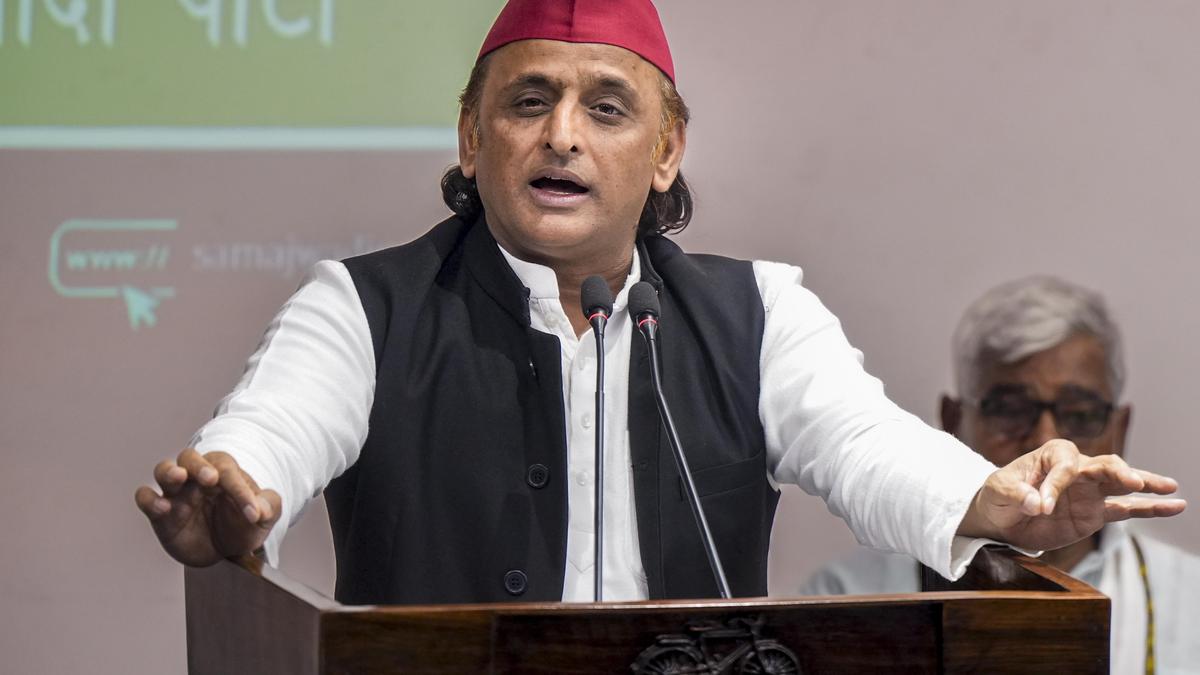
Akhilesh Yadav's Visit to Mamata Banerjee
Akhilesh Yadav's meeting with Mamata Banerjee signals a pivotal moment for the INDIA bloc, as opposition leaders test unity against the BJP ahead of contests.
Global Politics
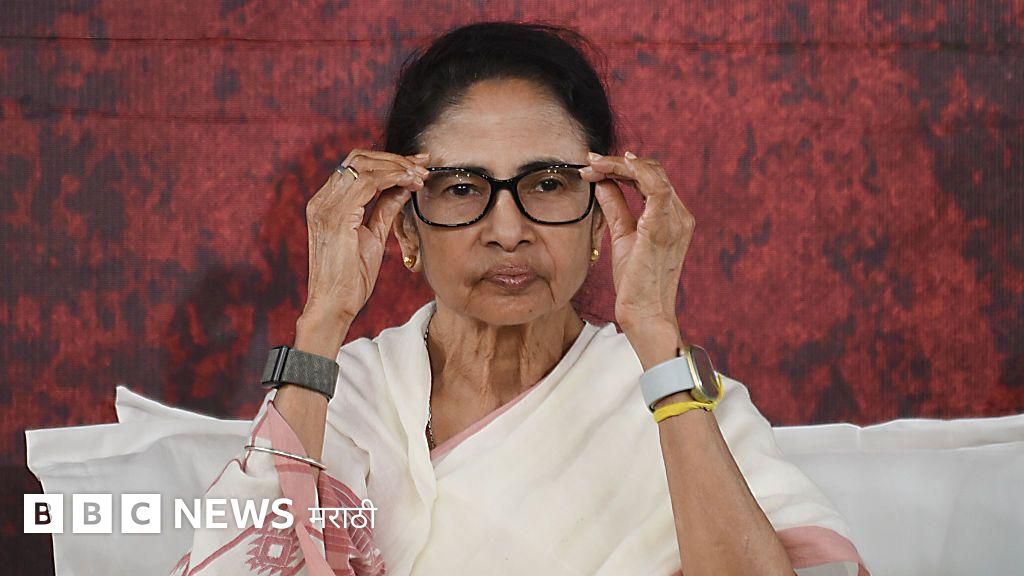
BJP's Victory in West Bengal
The BJP's sweeping win in West Bengal marks a major setback for Mamata Banerjee and the INDIA bloc, signaling a significant realignment in state politics.