Malta’s Snap Vote: Abela Moves to Outrun Global Shockwaves
Prime Minister Robert Abela calls early elections to lock in a fourth term before geopolitical fuel hikes disrupt Malta’s domestic insulation.
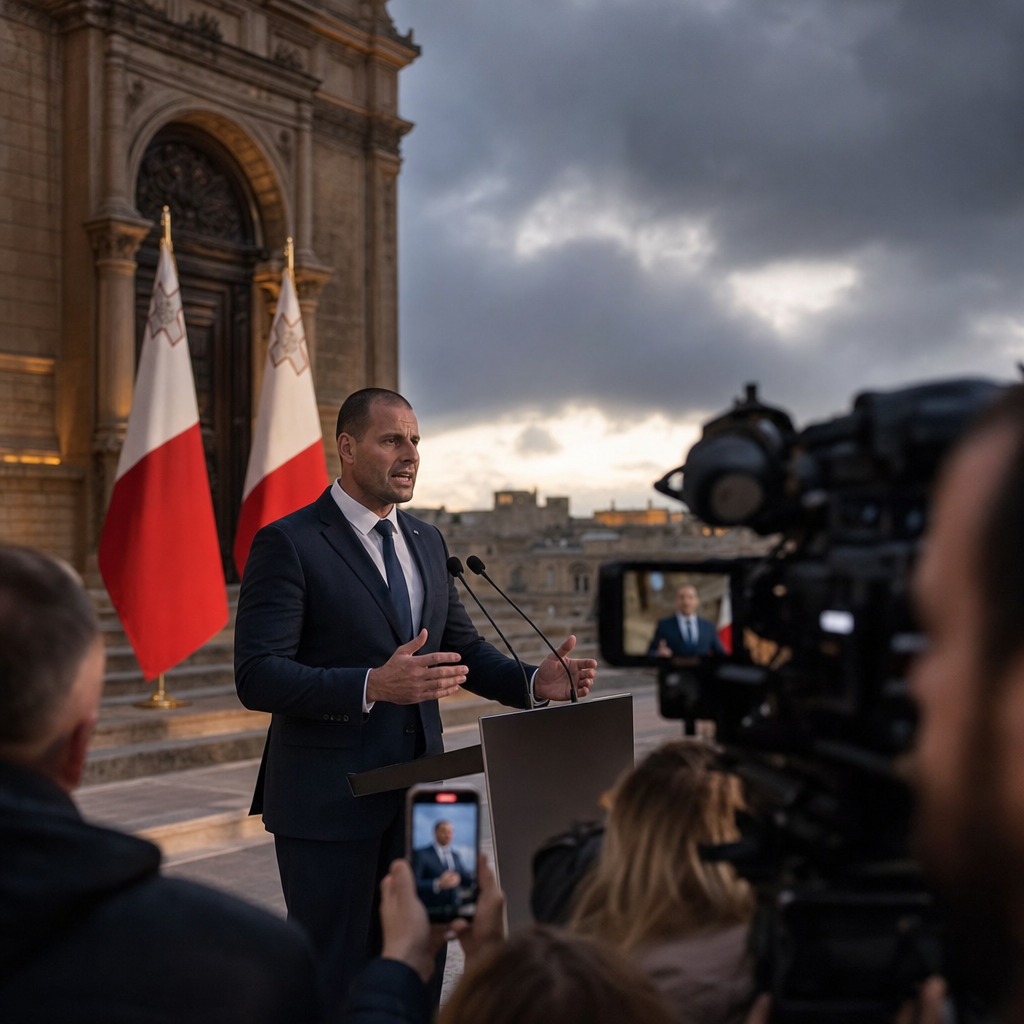
Maltese voters headed to the polls on Saturday in a snap parliamentary election called a full year ahead of schedule, a high-stakes defensive play by the ruling Labour Party. According to  Al Jazeera, Prime Minister Robert Abela preemptively triggered the vote to insulate his government from the severe economic ripple effects of the ongoing conflict involving Iran and the blockade of the Strait of Hormuz. By moving the contest forward, Abela aims to secure a historic fourth consecutive term before external inflationary pressures puncture Malta's heavily subsidized domestic market.
Malta's political landscape has long been a strict duopoly, and this flashpoint election in  Global Politics highlights how even highly insulated European microstates are vulnerable to systemic International supply chain shocks. On paper, Malta boasts an exceptional economic record, with GDP expanding by 4% last year, negligible unemployment, and some of the lowest household energy rates in Europe, as noted by
  Reuters. Yet these frozen utility prices are maintained via massive government subsidies, a fiscal strategy that will face structural unsustainability if global oil and gas prices remain elevated due to prolonged maritime blockades.
The primary challenger is the centrist Nationalist Party, fronted by its new 30-year-old leader, Alex Borg, who is campaigning on the premise that raw GDP growth has come at the expense of local infrastructure and quality of life. Borg has targeted the island's high intake of foreign labor, rising rental costs, and congested public services. However, the sudden election timeline has significantly compressed the opposition's window to capitalize on these grievances, leaving the Nationalist Party struggling to disrupt Malta's deeply entrenched political patronage networks.
With initial results expected by midday on Sunday, May 31, the immediate metric to watch is voter turnout, which historically exceeds 90% but dipped to 85.6% during the last general election. A lower turnout could signal a growing voter apathy that may weaken Abela’s hand even in victory. The ultimate test for the incoming administration will be managing the fiscal impact of energy subsidies as the cost of importing fuel rises, a challenge that will dictate Malta’s economic stability heading into the second half of 2026.