Maharashtra Opposition Turns Modi’s Austerity Pitch Into a Test
Sharad Pawar’s call for an all-party meeting shows the opposition is trying to recast the PM’s fuel-and-gold appeal as a credibility problem for the Centre, not a national emergency.
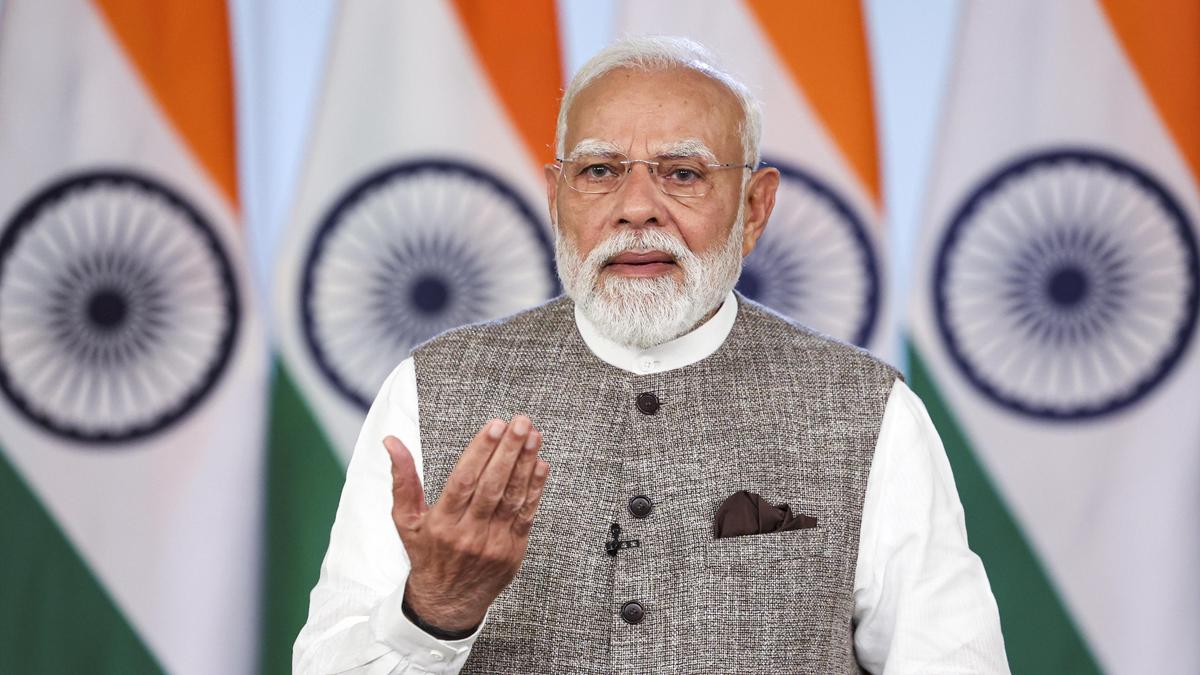
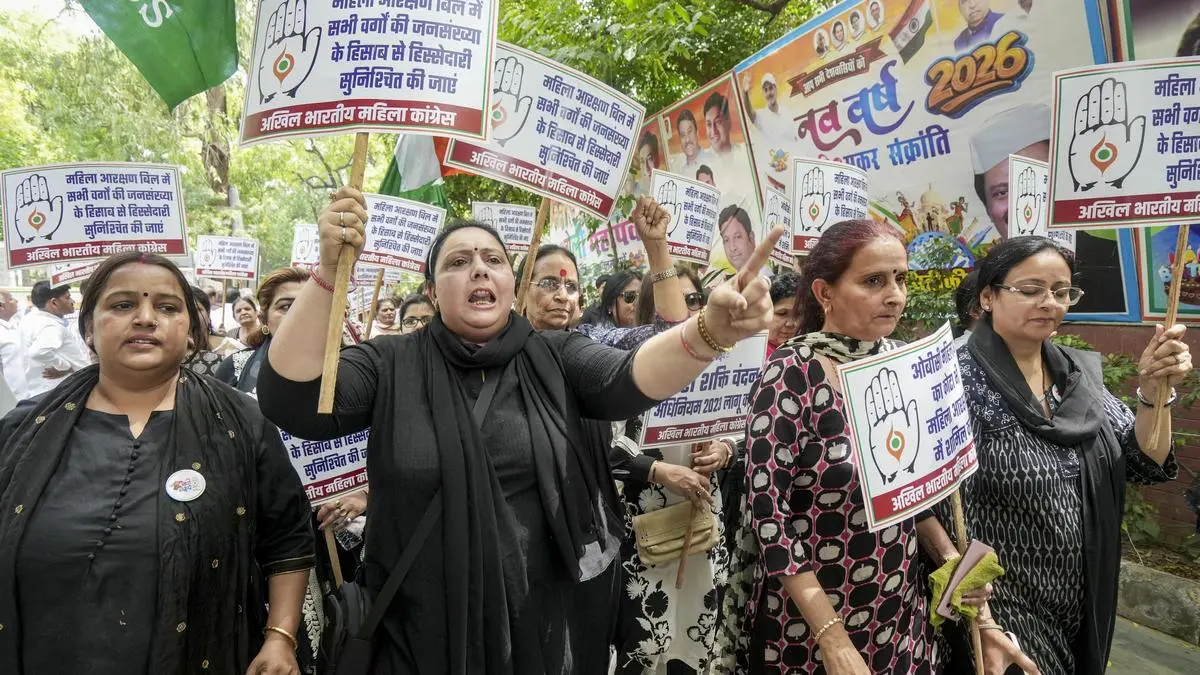
Prime Minister Narendra Modi’s plea for citizens to cut fuel use, defer gold purchases and avoid non-essential foreign travel has quickly become a political trap in Maharashtra. The opposition’s central move is to shift the burden back onto the government: NCP (SP) chief Sharad Pawar said the appeal could have “far-reaching impacts” and urged an urgent all-party meeting, while Congress leaders framed it as proof that the Centre is asking households to absorb the cost of a crisis it failed to manage ( NDTV,
NDTV,  The Hindu).
Why the message is landing as politics, not prudence
Modi’s pitch is not subtle: he has asked people to use public transport, carpool, work from home where possible and postpone overseas travel and gold buying amid the West Asia shock to oil and foreign exchange flows (The Hindu, The Hindu). That is a sensible macro message if the government expects pressure on reserves or imported energy costs. But in Maharashtra, the opposition is reading it differently: as an admission that the Centre has no cleaner fix than asking consumers to consume less.
That argument is politically effective because it hits three nerves at once. First, it suggests weak crisis management. Second, it invites the public to compare the austerity ask with visible political excess — convoys, roadshows, foreign trips and event-driven campaigning. Third, it raises the obvious question: if restraint is necessary, why now, and why after the election cycle? That line of attack was echoed by Congress and Shiv Sena (UBT) voices in coverage from  The Times of India and
  Deccan Chronicle.
Fadnavis is defending the Centre’s room to maneuver
Maharashtra Chief Minister Devendra Fadnavis is doing the opposite: he is trying to normalize the appeal as a prudent response to global stress. He says India still has supply security, but cannot afford wasteful consumption while other economies are already seeing fuel and gas shortages (The Times of India, Deccan Chronicle). That matters because the BJP is not just defending a speech; it is trying to preserve policy flexibility. If the government wants to hold fuel prices or compress demand without immediate price hikes, it needs public buy-in before any harder measures arrive.
The opposition, meanwhile, benefits from making the argument early. If petrol or diesel prices are raised later, it can claim the warning was already there. If prices stay flat, it can still say the Centre was needlessly alarmist. Either way, the politics are asymmetric.
What to watch next
The key next move is whether the Centre turns this rhetorical appeal into a formal economic package — or whether it stops at messaging. Watch for two things: any explicit fuel-price or import-related decision from New Delhi, and whether Maharashtra opposition leaders actually secure the all-party meeting Pawar demanded. If the government remains at the level of appeals only, the opposition will keep arguing that the burden of adjustment is being pushed onto households rather than policy. For broader India coverage, see  India and Global Politics.