Maharashtra Cancels Hindi Exam Amid Backlash
Uday Samant's decision reflects Marathi influence in governance.
Model Diplomat3 min readAsia
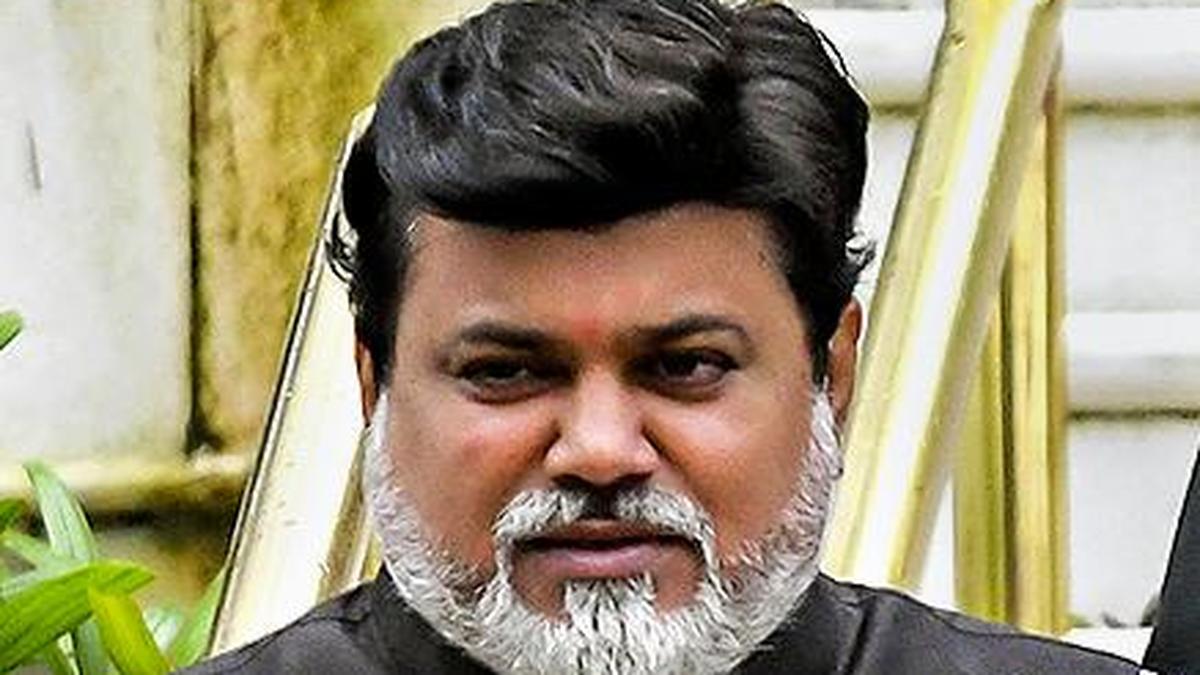
Maharashtra’s Hindi test retreat shows Marathi leverage
Uday Samant canceled a Hindi exam for state employees after a backlash, exposing how quickly language politics can force a Maharashtra U-turn.
Maharashtra has backed off the Hindi proficiency exam for government employees after a public outcry, with Marathi language minister Uday Samant announcing the cancellation and a review of the 1976 rule behind it, The Hindu reported. The exam had been set for June 28 at four centres and was mandatory only for employees who had not studied Hindi up to Class X, with roughly 2,000–2,500 staff taking it each year, the paper said. Samant said the government would decide after the review is complete,
The Hindu reported.
Who had the leverage
The cancellation was not a bureaucratic correction; it was a political retreat. Marathi language groups, the MNS, and the Shiv Sena (UBT) framed the notification as an attempt to privilege Hindi in a state where Marathi is the official language and where, they argue, government business already runs in Marathi, The Hindu reported. The MNS threatened to block the test, while the Marathi Bhasha Abhyas Kendra warned of protests and even burning the notification if it was not withdrawn,
The Hindu said.
That matters because the government did not just face criticism from activists; it faced a live street-politics threat from parties that can mobilize quickly on identity issues. Deccan Chronicle reported that the language department had proposed the test for gazetted and non-gazetted officers and that opposition from the Shiv Sena (UBT) and MNS pushed the state into cancellation. In practice, Marathi sentiment had more immediate coercive power than the administrative rulebook.
Why this is bigger than one exam
This row lands in the middle of Maharashtra’s wider language politics, where the three-language formula has become a proxy fight over identity, federalism and job access. The state says the exam is routine and rooted in a 1976 rule; opponents say a Marathi-speaking administration should not require Hindi for service conditions, The Hindu reported. That argument is not about pedagogy. It is about who gets to define the state’s cultural hierarchy.
There is also a coalition-management angle. Samant belongs to the Shiv Sena faction aligned with the ruling Mahayuti, but the loudest pressure came from rival Marathi formations that can still set the tempo on symbolic issues. The result is a familiar Maharashtra pattern: the government protects itself from a language flare-up by promising review, not policy clarity. The Times of India reported that Samant said the government would assess whether the exam is necessary and review the existing provisions.
What to watch next
The immediate test is whether the review kills the 1976 Hindi-exam rule or merely postpones enforcement. If the government leaves the rule intact, Marathi groups will treat this as a pause, not a win. If it scraps the rule, the state will have acknowledged that language pressure can override a long-standing civil-service requirement.
Watch for the next statement from Samant’s department, any fresh move by the MNS or Shiv Sena (UBT), and whether the review lands before the June 28 date that was supposed to frame the dispute. For broader context on India’s recurring language battles, see India and
Global Politics.
Discover more
India
Modi's Women’s Convention in Varanasi
PM Modi's upcoming women’s convention in Varanasi aims to boost support ahead of West Bengal elections, highlighting women's empowerment initiatives.
India
BJP's Misunderstanding of Women's Quota Needs
The BJP's linkage of the Women Reservation Bill to delimitation risks delaying women's empowerment in India, misreading their political needs.
India
Women’s Reservation Bill 2026
The Women’s Reservation Bill's defeat reveals a deeper battle over delimitation, impacting India's electoral landscape and gender representation.
India
India Rejects Zardari's Mosque Comments
India's MEA rebukes Zardari's mosque comments, citing Pakistan's human rights record.