Peter Magyar's Leadership Shift in Hungary
Peter Magyar's leadership marks a shift in Hungary's politics.
Model Diplomat3 min readEurope

Magyar Takes Power in Hungary, But Orban’s Shadow Stays
Peter Magyar inherits a supermajority and a weak economy, yet his real test is whether he can loosen Hungary’s Russia tilt without splitting his own base.
Peter Magyar is set to be sworn in as Hungary’s prime minister on Saturday, ending Viktor Orban’s 16-year run and opening a fight over who controls Hungary’s institutions, its EU ties and its security posture, according to France 24 and
BBC News. Magyar’s Tisza party won 141 of 199 seats in the April election, giving him a constitutional majority and the leverage to rewrite parts of the state that Orban spent more than a decade centralizing,
AP reported.
Why this matters
The immediate winner is Magyar’s political capital: he enters office not as a narrow compromise figure, but as the leader of a two-thirds parliamentary bloc that can change laws quickly, The Straits Times noted. That matters in conflict and security terms because Hungary has been one of the most disruptive voices inside the EU on Ukraine, sanctions and aid. Orban used that veto power to slow or dilute European decisions; Magyar is far more likely to be cooperative with Brussels, even if he is not a full-throated hawk.
He still inherits Hungarian constraints. Magyar has signaled pragmatic cooperation with Moscow and opposed sending Hungarian arms to Ukraine, while also calling Russia a security risk and saying Hungary should be a reliable EU member, Yahoo News UK/AFP reported. That is not a clean pivot away from Orbanism. It is a recalibration: less ideological obstruction, more transactional bargaining. For NATO and the EU, that is still a material improvement.
What Orban loses — and what still survives
Orban is losing the state, but not necessarily the machine. BBC News reported that Fidesz has already collapsed from 135 seats to 52, and that several key figures are choosing not to take their parliamentary seats. That weakens Orban’s ability to block from inside parliament. But his broader ecosystem — loyalists in the bureaucracy, business networks and media — will not disappear overnight. France 24’s parallel reporting on the transition says Magyar is openly talking about “regime change,” including removing Orban-era appointees and unlocking frozen EU funds,
France 24 reported.
The key security implication is that Hungary may stop acting like the EU’s internal spoiler on Ukraine, but it will not become a liberal interventionist power. Magyar’s mandate is domestic repair first: corruption cleanup, economic stabilization and recovery of frozen EU money. That makes his foreign policy likely to be disciplined, not adventurous.
What to watch next
The first test is whether Magyar can turn symbolic change into administrative control fast enough to matter. The other deadline is harder: RFI reported that nearly €10 billion in EU recovery money could be lost if it is not disbursed by the end of August. If Magyar wants to show he can govern, he will need progress on Brussels’ rule-of-law demands before that clock runs out.
Watch the first cabinet appointments, any move against Orban-era prosecutors and judges, and whether Budapest shifts from being an obstacle to being merely cautious on Ukraine.
Discover more
India
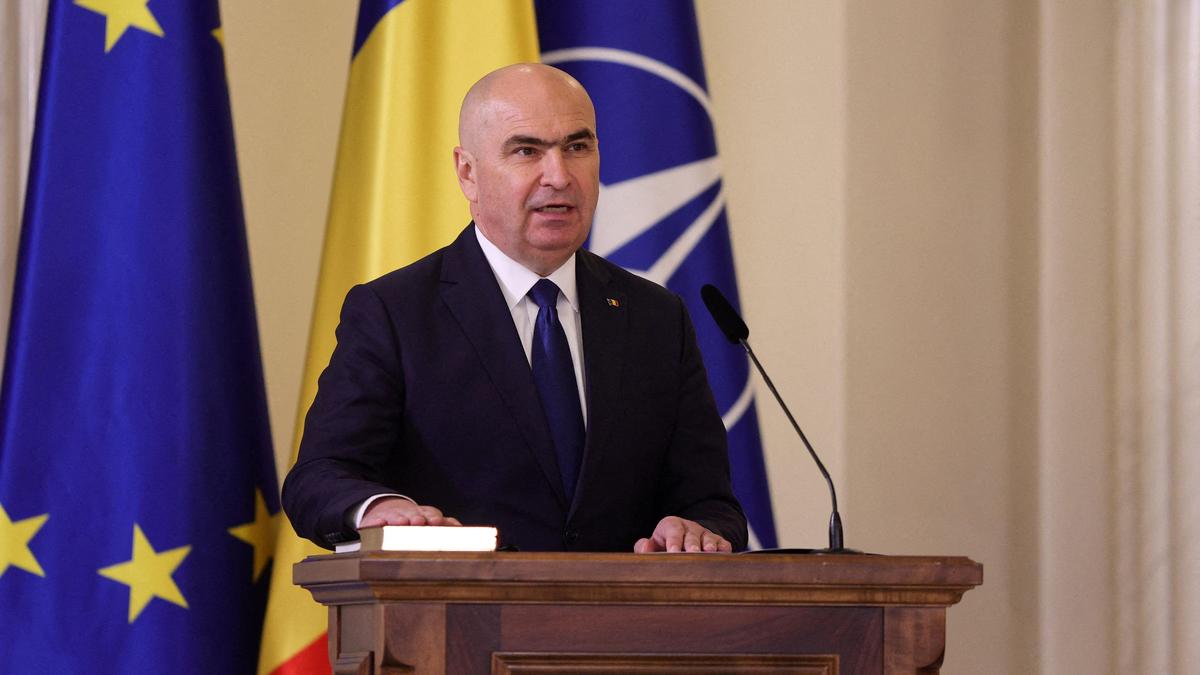
Romanian Coalition Party Demands PM Resign
Romania's Social Democrats withdrew from coalition, joining far-right AUR to topple PM Bolojan, risking €10 billion in EU funds by August 2026.
Conflict & Security
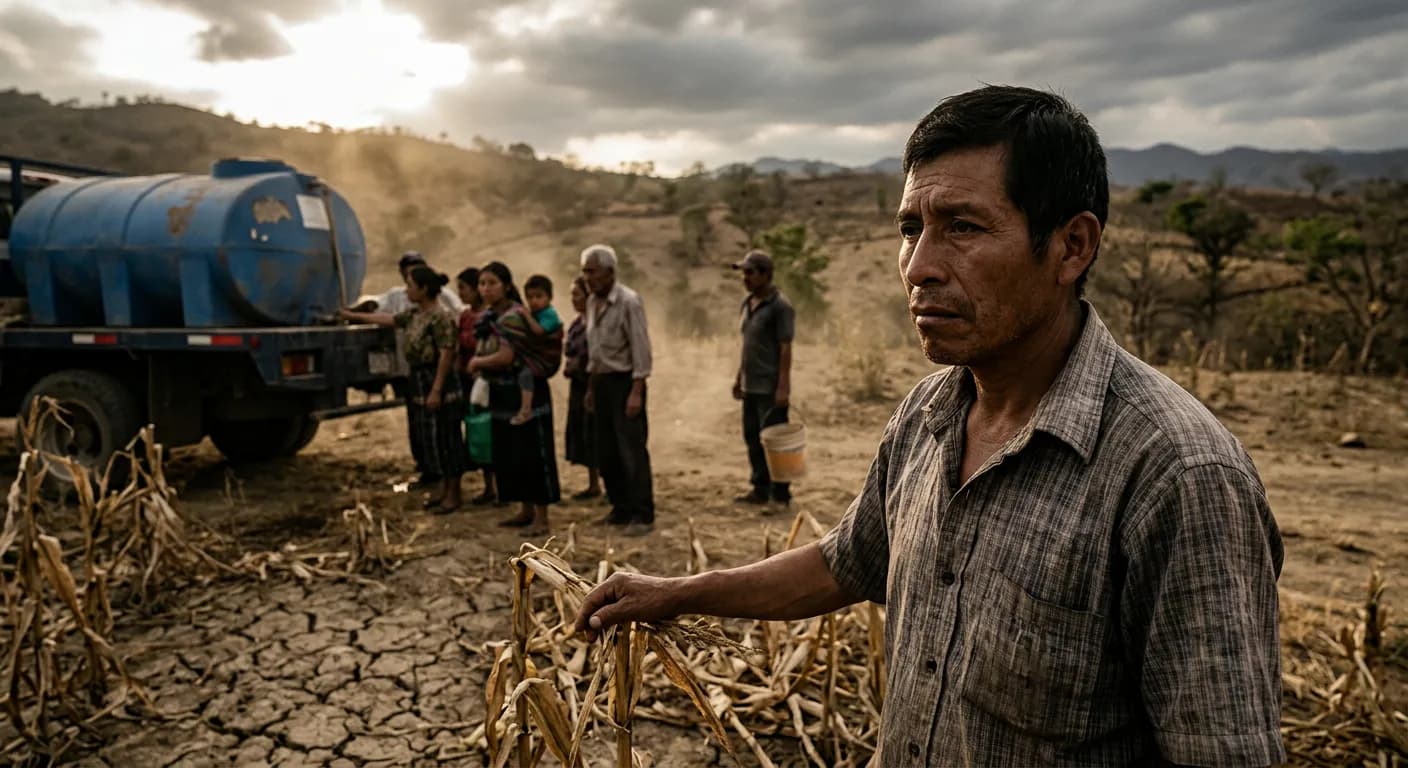
Guatemala: El Niño 2026–27 becomes regional security test
UNICEF: 25.8M children face El Niño risks in Latin America; Guatemala maps 188 municipalities for drought and food insecurity amid regional security test.

Economics
Fed's stress-test overhaul is a capital-smoothing exercise
Federal Reserve finalized stress-test overhaul: two-year averaging for bank capital buffers and public input, expected to halve volatility.

Conflict & Security
Drone Warfare Killing Aid Workers at Unprec
Over 1,000 humanitarian workers killed in three years as cheap armed drones collapse legal protections. Gaza, Sudan, Ukraine, and DRC see deliberate targeting of aid convoys and hospitals with zero prosecutions.