Luhansk Dormitory Strike Fuels Putin's War
Putin blames Ukraine for dormitory strike, seeks retaliation.
Model Diplomat3 min readEurope
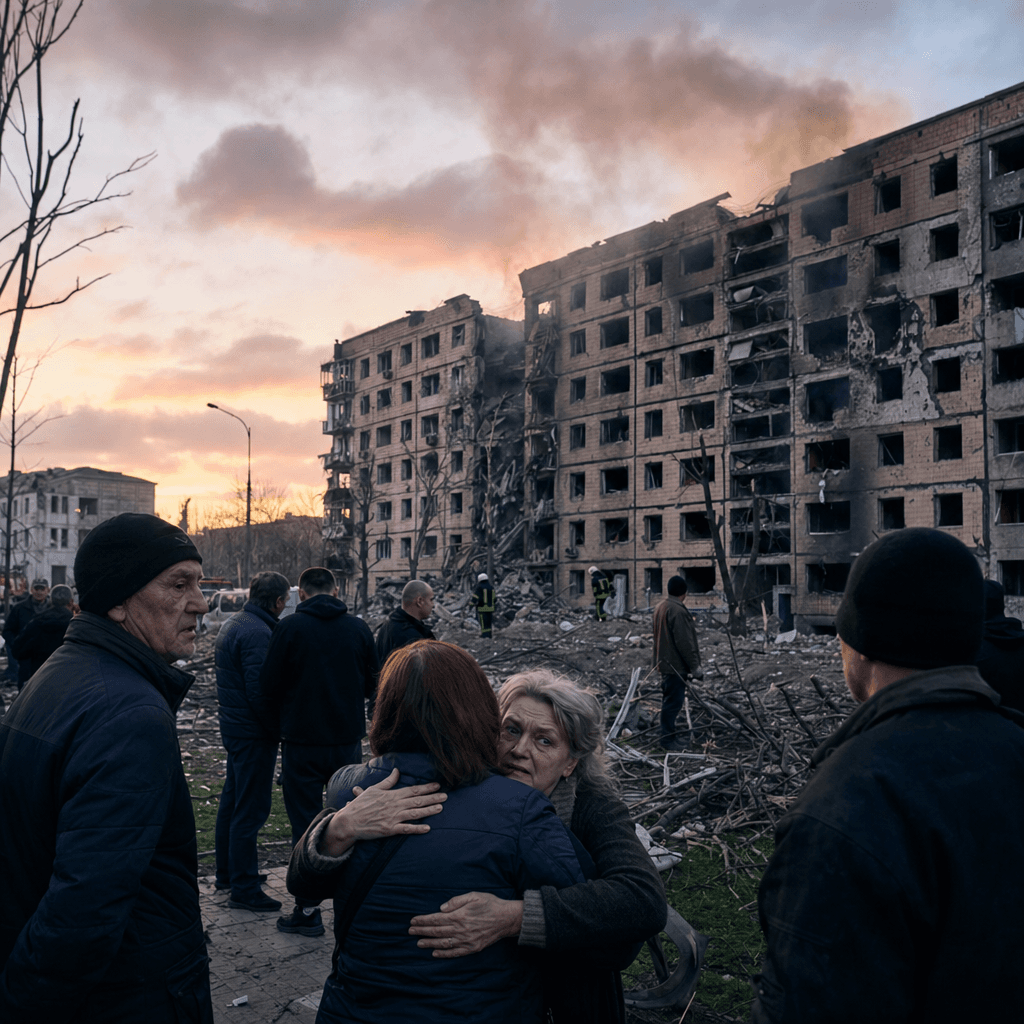
Luhansk Dormitory Strike Gives Putin Escalation Cover
Putin ordered retaliation after Moscow blamed Kyiv for a Starobilsk dormitory strike; Ukraine says it hit Russian military targets.
Russia now has the narrative it wanted: a strike it can cast as an attack on children and a fresh justification for widening the war. On Friday, Vladimir Putin said the overnight drone attack in occupied Luhansk killed six people, injured 39 and left 15 missing, then ordered the Defense Ministry to bring him “proposals” on how to respond, according to BBC News. The BBC said it could not independently verify what happened in Starobilsk. Ukraine’s military later said it had hit the headquarters of Russia’s Rubicon drone unit in Starobilsk and that its forces were striking military targets in line with international humanitarian law, also as reported by
BBC News.
Putin is using the strike to widen his options
The leverage here is political as much as military. By framing the attack as a deliberate hit on a student dormitory, the Kremlin is trying to do three things at once: harden domestic support, pre-empt criticism over Russian losses in occupied territory, and create space for a retaliatory strike that can be presented as proportionate. Putin said the attack came in three waves involving 16 drones and insisted there were no military facilities nearby, then told his defense chiefs to produce response options, according to BBC News Kyrgyz and
BBC News.
That matters because Moscow has a pattern of turning battlefield incidents into strategic messaging. If the Kremlin can lock in the “attack on civilians” frame, it improves its position with Russian publics, state media and sympathetic foreign audiences. It also helps justify further strikes against Ukrainian infrastructure or command nodes under the banner of retaliation, rather than escalation.
Ukraine is targeting the rear, not just the front
Ukraine’s claim is designed for a different audience. By saying the target was Rubicon — described by Ukraine as a Russian drone unit — Kyiv is signaling that it is trying to hit the systems that make Russia’s drone campaign work, not just symbolic sites in occupied territory, according to BBC News.
Al Jazeera reported that Russian-installed officials said about 86 children and teachers were inside the building, with at least 35 injured, and that the five-storey dormitory collapsed to its second floor.
That is the real power dynamic: Ukraine is trying to impose costs on Russia’s war machine in the occupied rear, while Russia is trying to convert any civilian harm into diplomatic and informational advantage. Both sides say they are striking military targets. Both want the burden of proof to fall on the other side. The difference is that Russia still controls the occupied territory, the local information space, and the immediate rescue narrative.
What to watch next
The next decision point is Putin’s retaliatory package: whether the Defense Ministry recommends a single demonstrative strike or a broader wave aimed at Ukrainian cities, energy systems or command infrastructure. Watch for the timing and scale of that response in the next official Kremlin and Defense Ministry briefings, and for whether Russia pushes the case harder at the UN after BBC News Kyrgyz and
Al Jazeera reported the Kremlin’s outrage.
For policymakers tracking Global Politics and
Conflict, the immediate risk is not the local casualty count. It is that both capitals now have a cleaner justification for another round of escalation, while independent verification remains absent.
Discover more
Global
Kyiv's Empty Quiver: Ankara Summit on NATO
As Russia strikes Kyiv, NATO's Ankara summit must address Ukraine's urgent air defense needs amid dwindling interceptor supplies.
India
Russia's Balancing Act with India and China
Russia's deepening dependence on China is straining its long-standing strategic partnership with India, exposing the limits of Moscow's balancing act in Asia.
Conflict & Security
Russia Encircles Konstantinovka—Key to Donbas
Russia's encirclement of Konstantinovka could unlock the wider Donbas for further advances, marking a pivotal moment in its grinding eastern offensive.
Conflict & Security
Ukraine's Energy Offensive Hits Crimea
Ukraine's drone campaign is disrupting Russian fuel supplies and forcing rationing in Crimea, turning energy infrastructure into a key front of the war.