Leonardo's Kuwait Navy Deal Boosts Gulf Ties
Italy's defense contract strengthens ties with Gulf navies.
Model Diplomat2 min readMiddle East
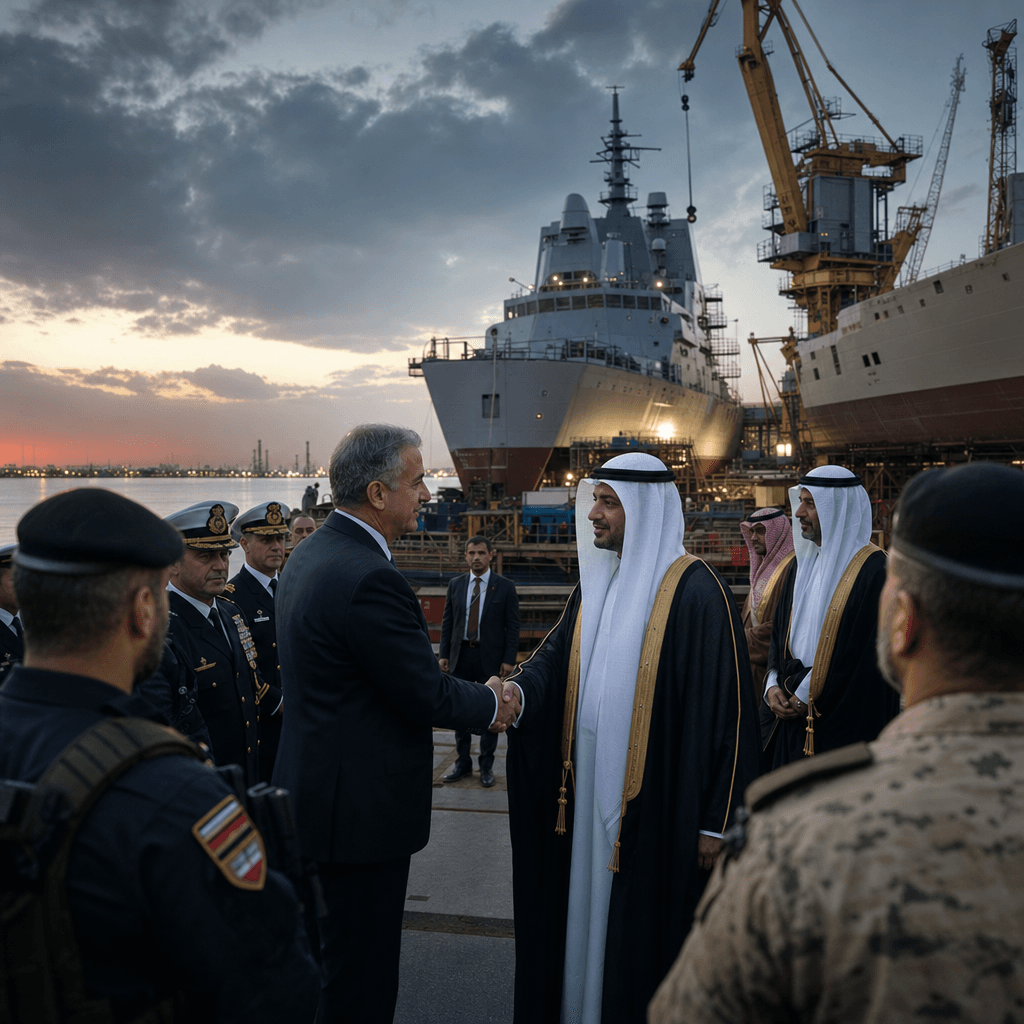
Leonardo’s Kuwait Navy Deal Ties Italy to Gulf Buildout
Leonardo’s €320 million Kuwait contract shows how Gulf navies are buying combat systems through UAE partners to lock in supply chains.
Leonardo has signed a €320 million contract with Abu Dhabi Ship Building, the naval arm of EDGE, to supply combat systems for the Kuwait navy, Reuters reported on May 20. The systems are for the Falaj 3 configuration of Kuwait’s Al Dorra missile boat programme, and Leonardo said the deal deepens its relationship with EDGE and is another step toward a future joint venture in the UAE. The two companies said their cooperation has already delivered more than 25 vessels. Reuters
Italy is selling more than hardware
This is not just a naval export. It is Italy using a defense contract to buy a longer-term industrial position in the Gulf. Leonardo’s value here is not a single combat system; it is the promise of integration, follow-on maintenance, and access to a region where procurement is increasingly tied to local production and partner states. EDGE’s role matters just as much. By routing the deal through Abu Dhabi Ship Building, Kuwait is effectively buying through an Emirati industrial hub rather than dealing only with an outside supplier. That makes the UAE the broker of the relationship, and it strengthens Abu Dhabi’s leverage over future Gulf defense supply chains. Reuters also reported last week that EDGE agreed to acquire 80% of Italy’s CMD, a move that fits the same pattern: Emirati capital pulling Italian industrial assets into a wider regional defense network. Reuters
Kuwait is diversifying, not choosing one patron
Kuwait is not locking itself into a single supplier bloc. It is layering capabilities. In early May, Al Jazeera reported that Washington approved $2.5 billion in battle command systems for Kuwait as part of a broader $8.6 billion package for Middle East allies, with the Kuwaiti systems aimed at improving air-defense detection with radar. That matters because it shows Kuwait is still leaning on the United States for core command-and-control architecture even as it turns to Europe and the UAE for naval systems. The result is a more fragmented but more resilient procurement model: one channel for sensors and command systems, another for ship combat integration, and a third for platform construction and sustainment. For the broader regional angle, see Global Politics and
United States.
Al Jazeera
What to watch next
The next decision point is whether Leonardo and EDGE formalize the joint venture they keep signaling. If they do, this contract becomes a reference case for Italian defense firms trying to enter the Gulf through Emirati partnerships, not standalone sales. Watch also for Kuwait’s delivery timetable on the Falaj 3 boats and whether this contract opens the door to more European content in Kuwaiti naval modernization. If EDGE keeps consolidating Italian assets while Leonardo keeps winning Gulf work, the balance of power in this market shifts away from pure state-to-state arms deals and toward integrated industrial blocs.
Discover more

Global Politics
US Seizes Iranian Ship, Tensions Surge
The US seizure of the Iranian ship Touska highlights a shift in control over the Strait of Hormuz, favoring Iran's strategic position.

Conflict & Security
Drone Warfare Killing Aid Workers at Unprec
Over 1,000 humanitarian workers killed in three years as cheap armed drones collapse legal protections. Gaza, Sudan, Ukraine, and DRC see deliberate targeting of aid convoys and hospitals with zero prosecutions.
Global
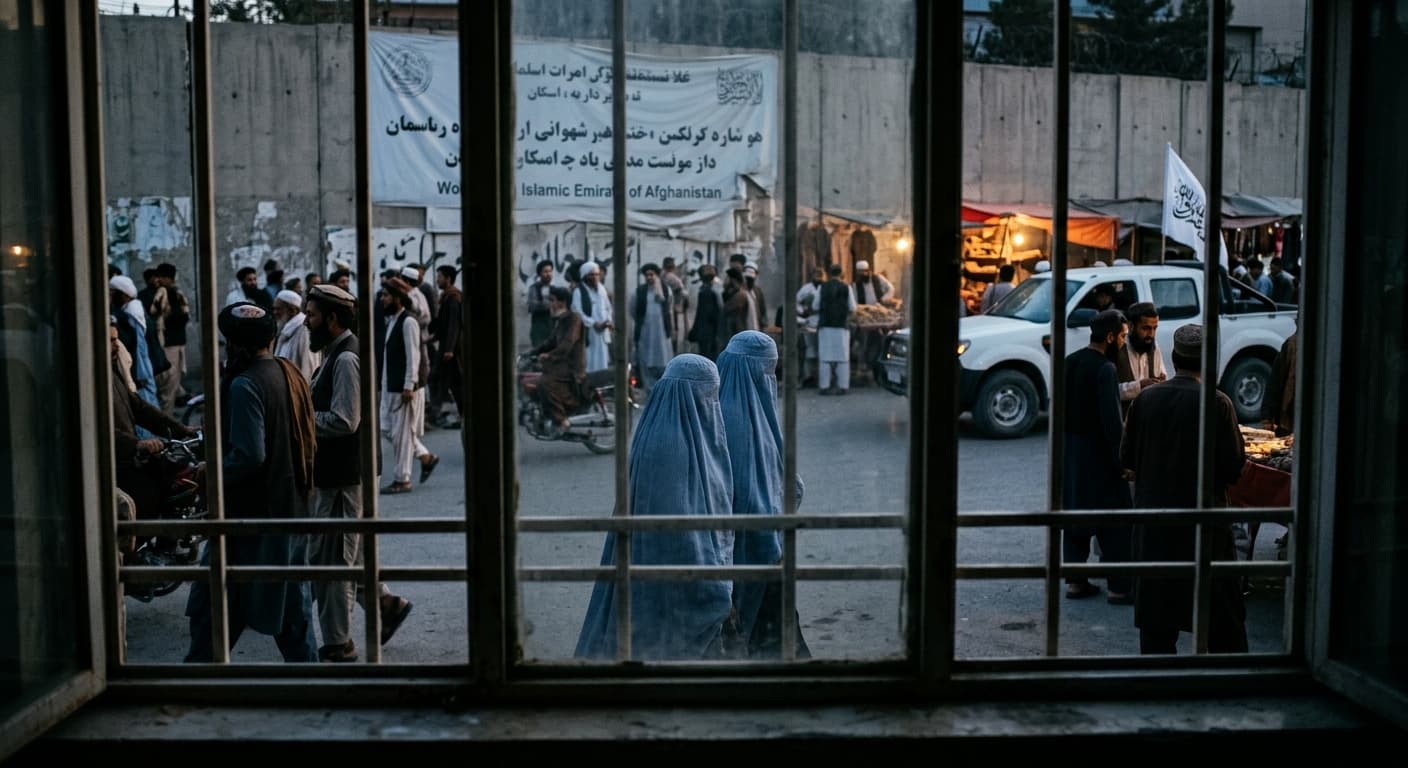
World Normalises Taliban as Afghan Women Eras
UN data shows Afghan women erased from public life as Russia recognises the Taliban, EU hosts officials in Brussels, and ICC warrants for gender persecution go unenforced.
Conflict & Security
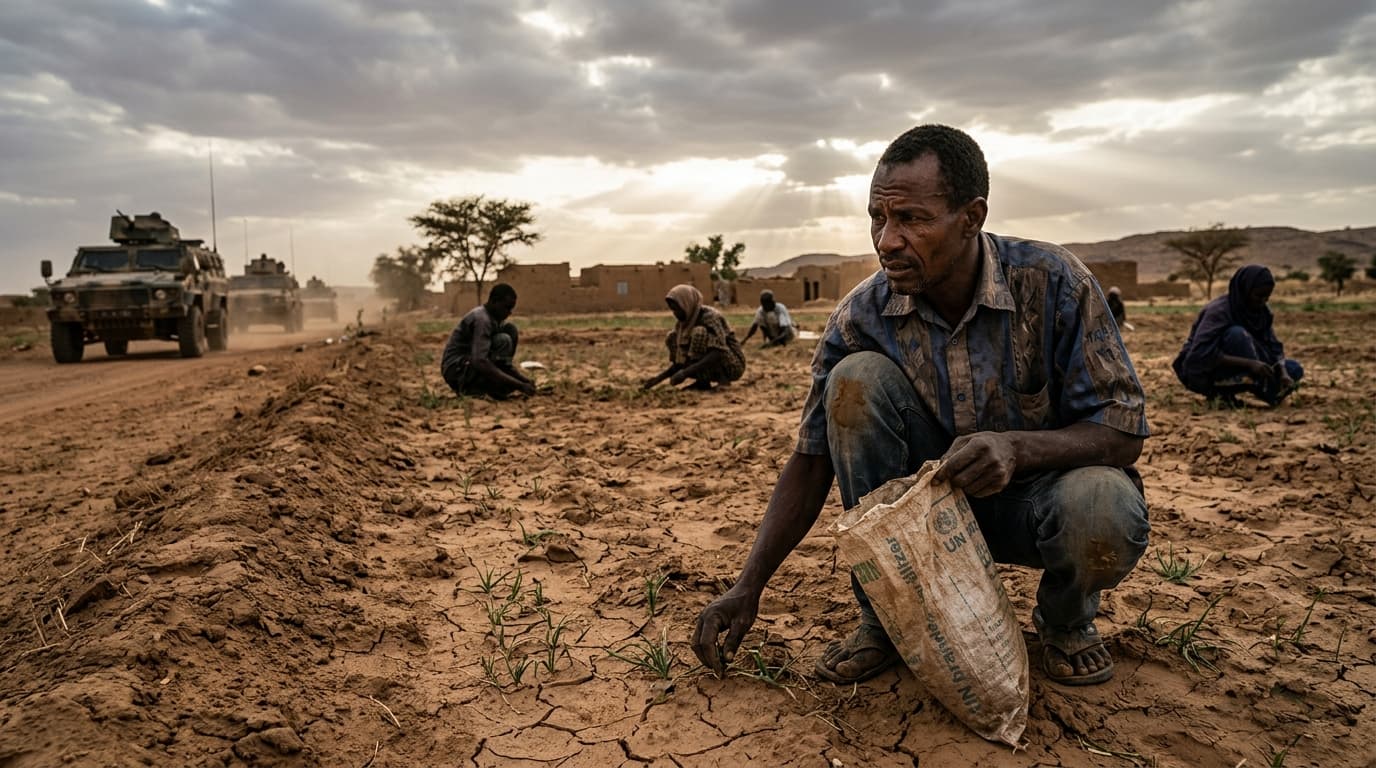
West Africa Food Crisis: Three Shocks in 2026
Conflict, climate extremes, and the Strait of Hormuz closure drive a severe food crisis in West and Central Africa, with fertilizer prices surging 80% and millions displaced.