Kyrgyzstan’s Russia Crackdown Explained
Bishkek's move to avoid Western sanctions while staying close to Moscow.
Model Diplomat3 min readCentral Asia
Kyrgyzstan’s Russia Crackdown Is Self-Protection
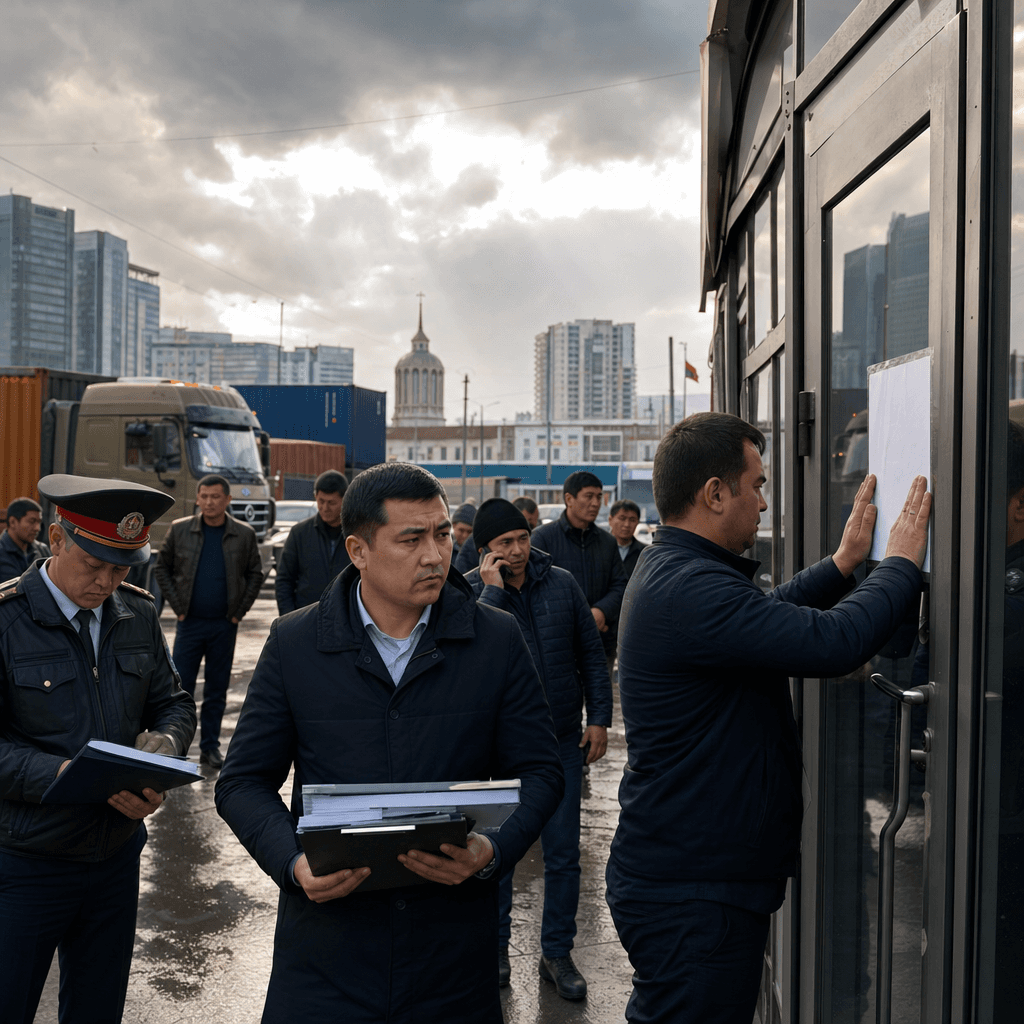
Bishkek is shutting 50 firms to avoid Western penalties, not to break with Moscow. The move trims Russia’s gray supply lines while leaving Kyrgyzstan inside the Kremlin’s orbit.
Kyrgyzstan has forced 50 companies to suspend operations after Western partners flagged them for sanctions risk, a first for the country and a clear sign Bishkek fears secondary sanctions more than it fears Moscow’s displeasure, according to Al Jazeera and
RFE/RL. Deputy Prime Minister Daniyar Amangeldiev said U.S. and U.K. allegations covered 51 companies and that Kyrgyz investigators then moved against 50 of them; the firms have not been named, but Kyrgyz media reported they are mainly in wholesale trade, transport and logistics,
RFE/RL.
Why Bishkek moved now
The timing matters. The crackdown came after the European Union’s latest sanctions package targeted Kyrgyzstan as a circumvention route, including bans on exports of radio equipment and computer-controlled CNC machines to the country because both can feed drone production and have been re-exported to Russia, RFE/RL. EU data cited by RFE/RL pointed to an 800 percent-plus increase in Kyrgyz imports of specialized electronics from the bloc between 2022 and 2025, with no matching rise in domestic manufacturing — the signature of a transit economy, not a production boom,
RFE/RL.
That is the leverage point. Western governments do not need to sanction every Kyrgyz trader to change behavior; they only need to threaten access to dollar clearing, EU goods and banking relationships. Kyrgyz officials are reacting because they know the real cost is not moral exposure, but being designated a sanctions-evasion node.
Russia still holds the bigger cards
This is not a pivot away from Russia. Kyrgyzstan still depends on Russian markets, Russian security ties and Russian labor demand; Moscow keeps an airbase and other military facilities in the country, and the two states have mutual defense agreements, Al Jazeera. Erica Marat told Al Jazeera the government remains in the Kremlin’s orbit and has limited room to maneuver, unlike Kazakhstan or Uzbekistan, which can balance more effectively between Western, Chinese and Russian interests,
Al Jazeera.
That means Bishkek is trying to split the difference: satisfy Brussels and Washington just enough to avoid being cut off, while preserving the political relationship with Vladimir Putin. The losers are the logistics firms, payment intermediaries and traders who profited from sanctions arbitrage. The beneficiary is the Kyrgyz state, which gets a chance to claim compliance without making a strategic break. For more on the regional angle, see Global Politics and
United States.
What to watch next
The next decision point is whether Bishkek publishes the company list. If it does, outsiders will learn whether this is a real cleanup or a symbolic gesture that spares connected firms, The Times of Central Asia. Also watch whether Brussels or Washington responds with relief or escalation after the closures. If the sanctions architecture tightens again, Kyrgyzstan’s gray trade will not disappear — it will move, likely to more opaque channels and more expensive intermediaries.
Discover more

International Relations
Pakistan's Key Role in US-Israel-Iran Meddle
Pakistan is seeking to mediate the US-Israel-Iran conflict, balancing high-stakes diplomacy against severe economic pressures and steep regional challenges.

Conflict & Security
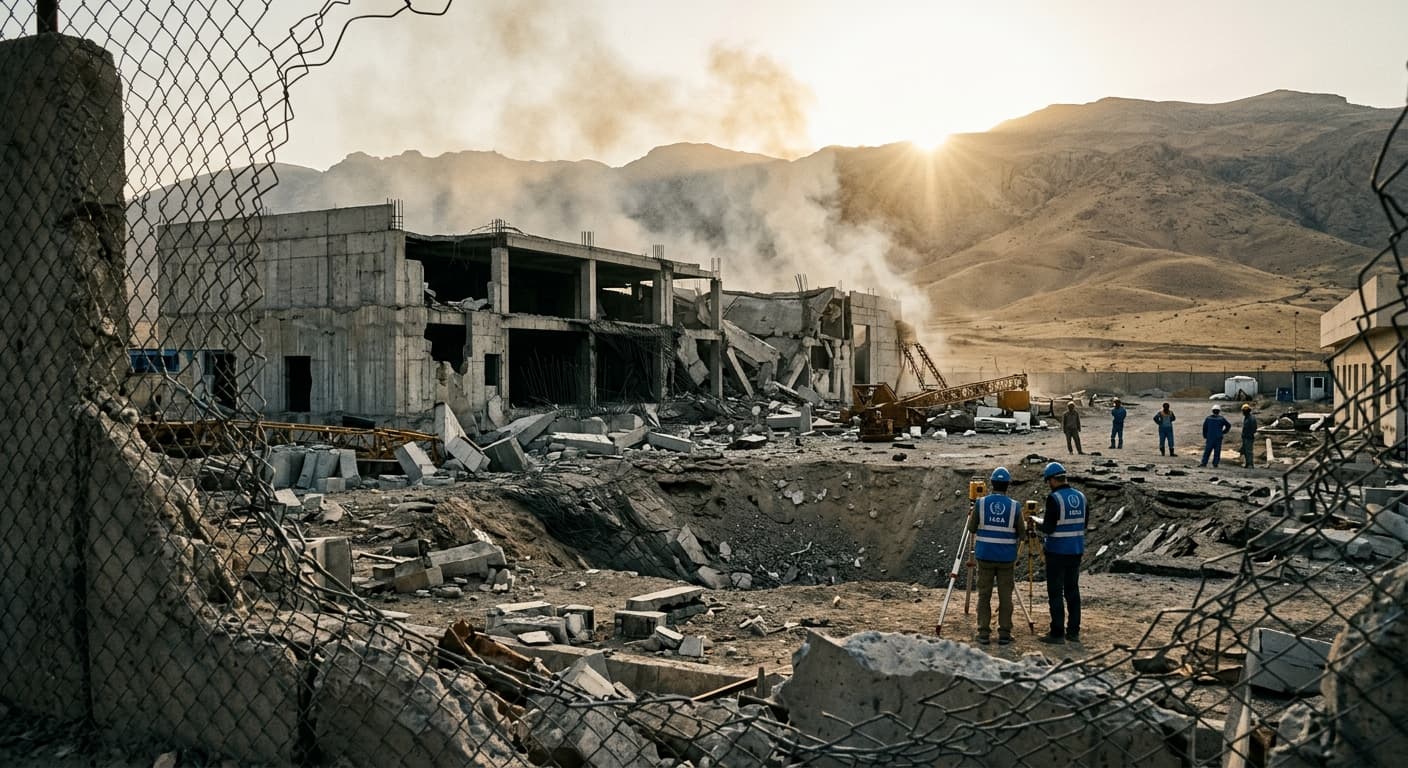
US Strike on Empty Iran Reactor Tests Law
US strikes empty Darkhovin nuclear plant in Iran, violating IAEA resolution protecting facilities under construction. Tehran's top lawyer leads legal response, signaling potential ICJ case.
Global
US bombs empty Iran nuclear site, setting NPT
US bombs Iran's Darkhovin nuclear construction site, confirmed empty by IAEA. First strike on a non-operational safeguarded civilian facility in NPT era, setting a precedent that undermines nuclear safeguards globally.
Global
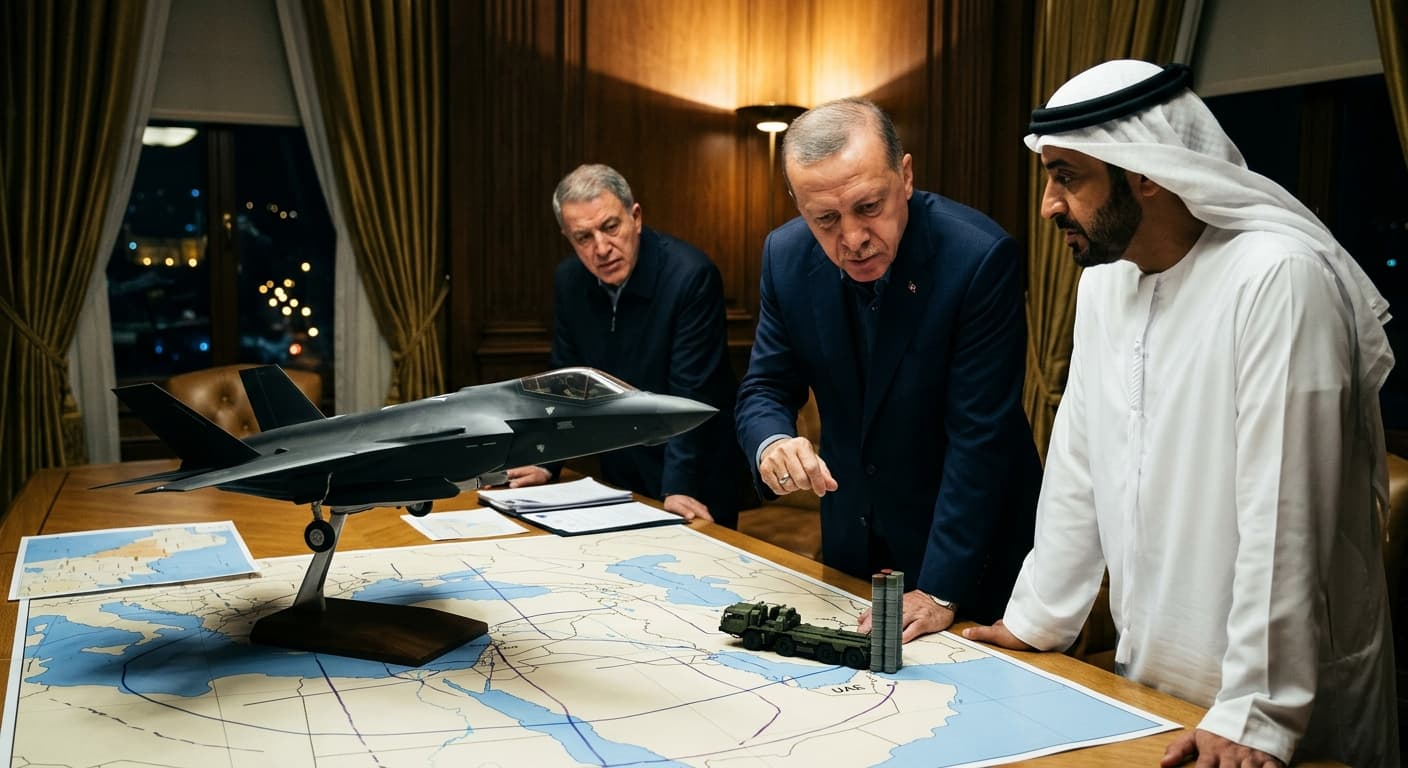
Turkey's S-400 gambit to rejoin the F-35
Turkey proposes transferring its Russian S-400 to the UAE, aiming to remove the main obstacle to its return to the F-35 program amid a Gulf interceptor shortage.