Kyiv Hit by Russian Oreshnik Missile Attack
Russia strikes Kyiv with missiles amid Oreshnik threat.
Model Diplomat2 min readEurope
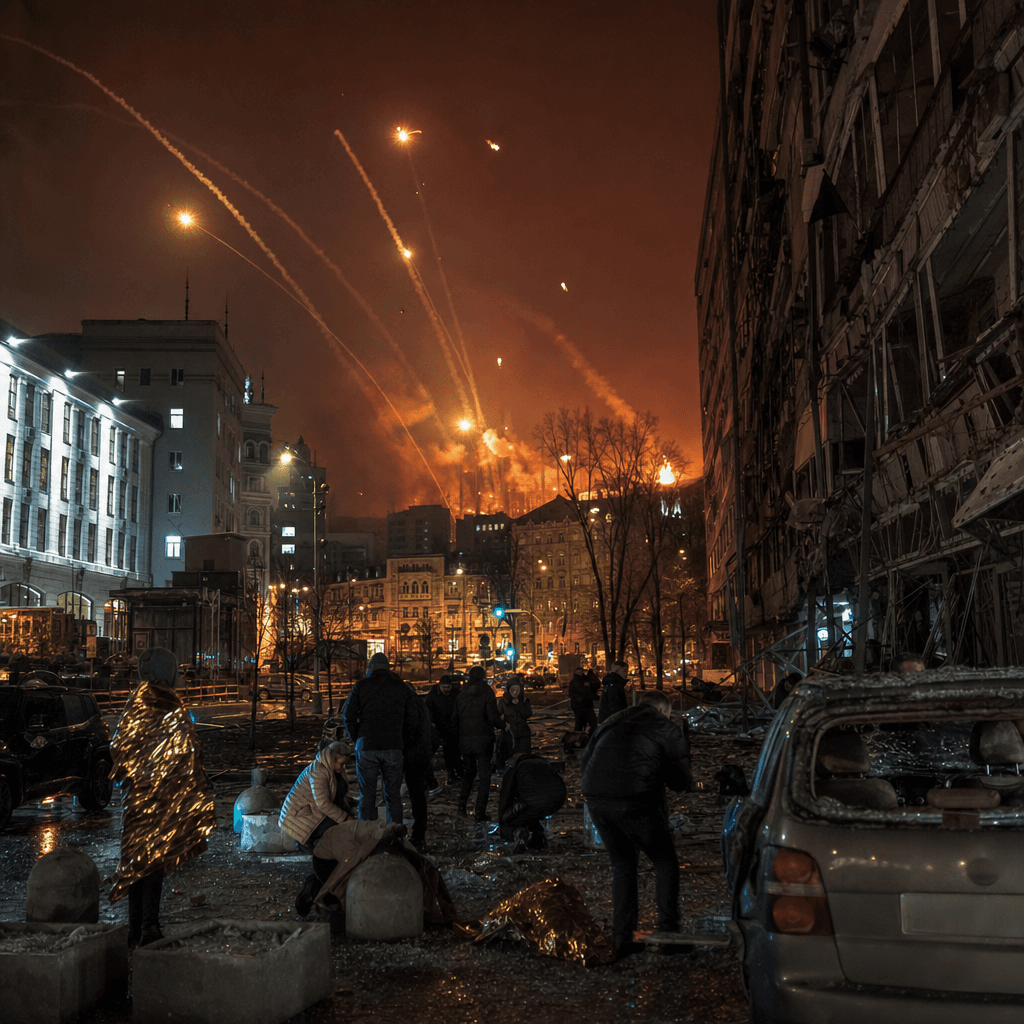
Kyiv Under Ballistic Fire as Russia Signals Oreshnik
Russia hit Kyiv with ballistic missiles while air defenses warned of an Oreshnik threat, raising pressure on Ukraine and its allies.
Russia struck Kyiv overnight with ballistic missiles and drones, and Ukraine’s air force had already warned of a possible Oreshnik launch moments before the explosions, according to BBC News Україна and
The Guardian. Kyiv officials said at least four districts were affected, with fires and damage to residential buildings reported; The Guardian said at least three people were injured and debris hit a school in the city center. That is the point: the warning is part of the strike. Moscow is not just trying to hit targets; it is trying to shape behavior, force sheltering, and overload air-defense decision-making in real time.
Oreshnik is leverage, not just hardware
This is not an isolated weapons story. BBC reported in January that Russia had already used the Oreshnik missile before, first in November 2024 and then again in a strike on western Ukraine, while noting that Kyiv and Western officials saw it as a signal to Europe and the United States (BBC News). NPR, citing the Associated Press, said the missile is hypersonic, nuclear-capable, and presented by Moscow as effectively unstoppable by air defenses, which gives it value as psychological warfare as much as battlefield firepower (
NPR). If Russia uses, or even credibly threatens to use, Oreshnik around Kyiv, it is testing more than Ukraine’s interceptors. It is testing how quickly Washington and European capitals react when Moscow raises the ceiling of the war.
Moscow benefits from ambiguity
Ukraine cannot afford to dismiss an Oreshnik warning as bluff, because the cost of getting it wrong is catastrophic. BBC’s reporting shows that Kyiv went into alert before confirmation of any actual Oreshnik strike, while city officials were already dealing with damage across multiple districts and continuing drone attacks (BBC News Україна). That ambiguity benefits Russia. Even if the missile was not launched, the threat still forces Ukraine to disperse defenses, pause movement, and keep civilian infrastructure on edge. That is a cheap form of coercion for Moscow, especially when paired with drones and conventional ballistic missiles that keep the capital under almost continuous strain.
What to watch next
The immediate question is whether Ukrainian forensic teams can confirm an Oreshnik launch from debris or trajectory data, as they did in earlier strikes, or whether this was a deliberate false alarm designed to magnify panic (BBC News;
The Guardian). The bigger marker is political: whether the U.S. and European capitals move beyond condemnation and tighten the military and sanctions response Moscow is trying to preempt. For broader context, follow
Global Politics and
Conflict.
Discover more
Global
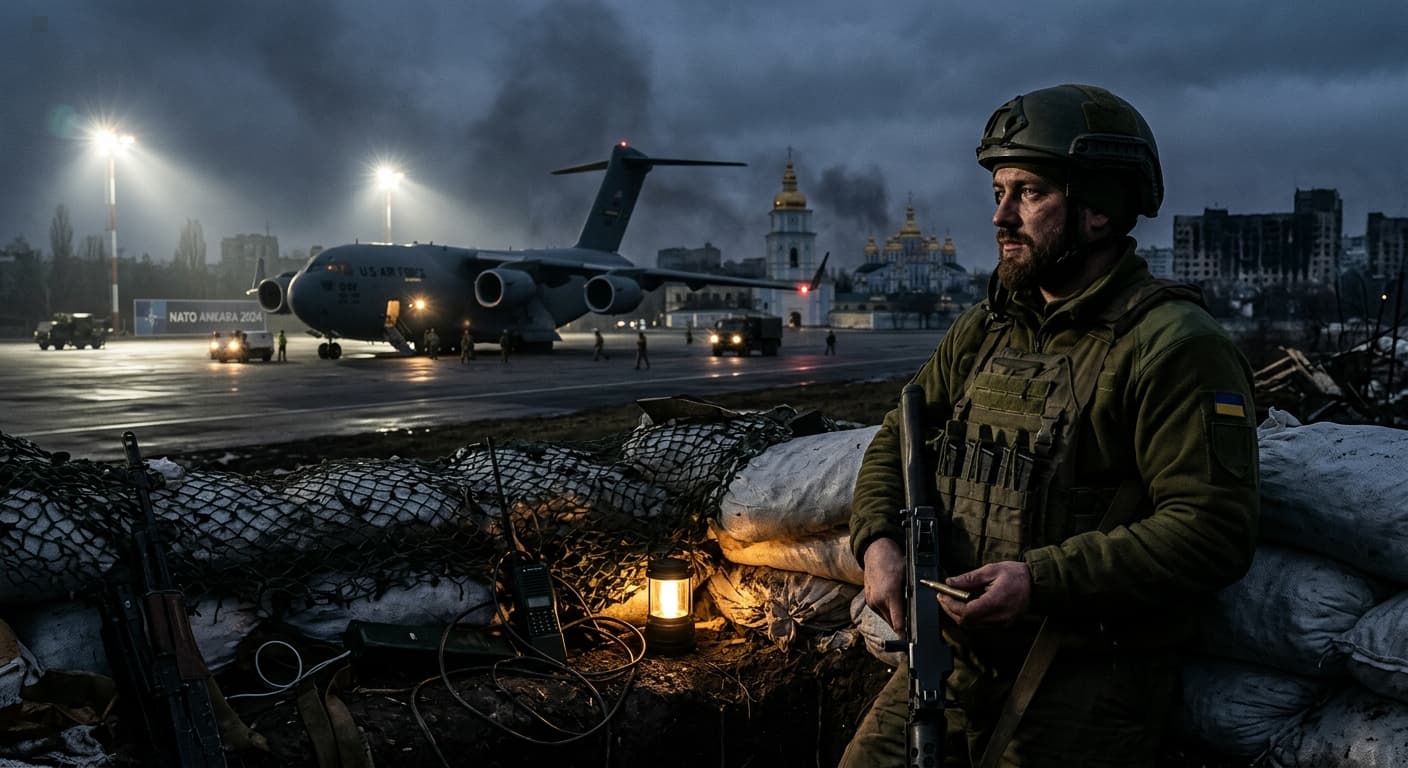
Kyiv's Empty Quiver: Ankara Summit on NATO
As Russia strikes Kyiv, NATO's Ankara summit must address Ukraine's urgent air defense needs amid dwindling interceptor supplies.

India
Russia's Balancing Act with India and China
Russia's deepening dependence on China is straining its long-standing strategic partnership with India, exposing the limits of Moscow's balancing act in Asia.
Conflict & Security
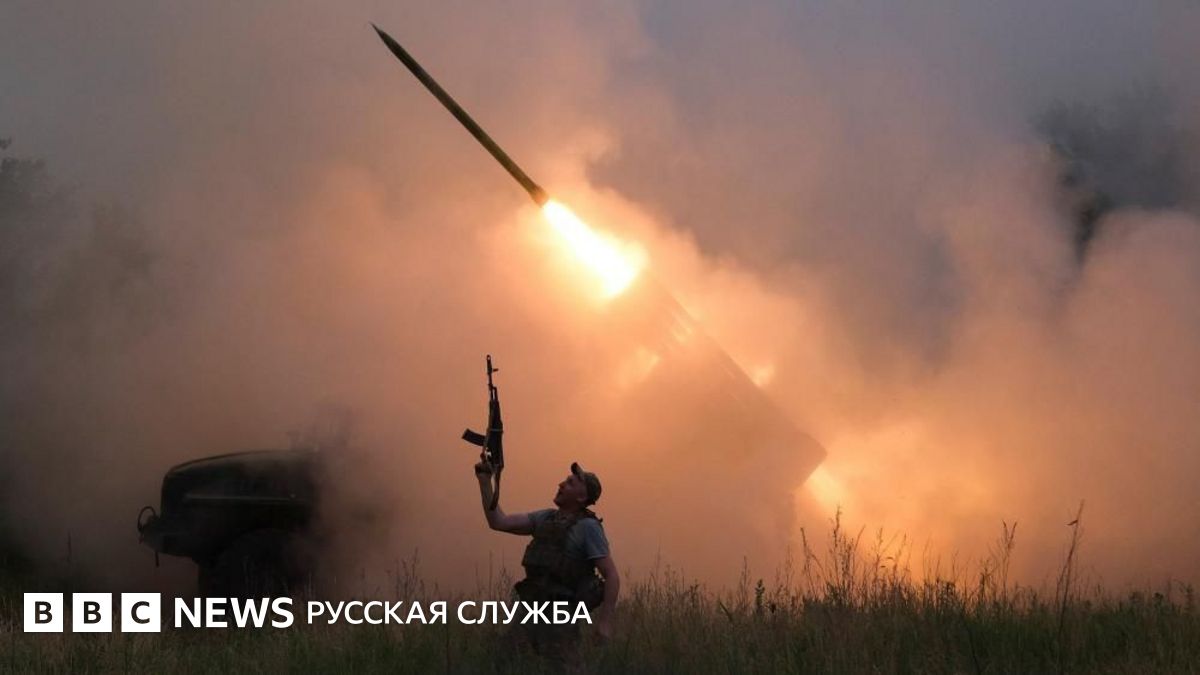
Russia Encircles Konstantinovka—Key to Donbas
Russia's encirclement of Konstantinovka could unlock the wider Donbas for further advances, marking a pivotal moment in its grinding eastern offensive.

Conflict & Security
Ukraine's Energy Offensive Hits Crimea
Ukraine's drone campaign is disrupting Russian fuel supplies and forcing rationing in Crimea, turning energy infrastructure into a key front of the war.