Kenya’s Ebola Court Ruling Exposes Limits
High Court order reveals rifts in US-Kenya relations
Model Diplomat3 min readAfrica
Kenya’s Ebola Court Ruling Exposes Limits of US Alliance
A High Court order on a US-backed Ebola facility reveals deep rifts between President Ruto's foreign policy and local civil society.
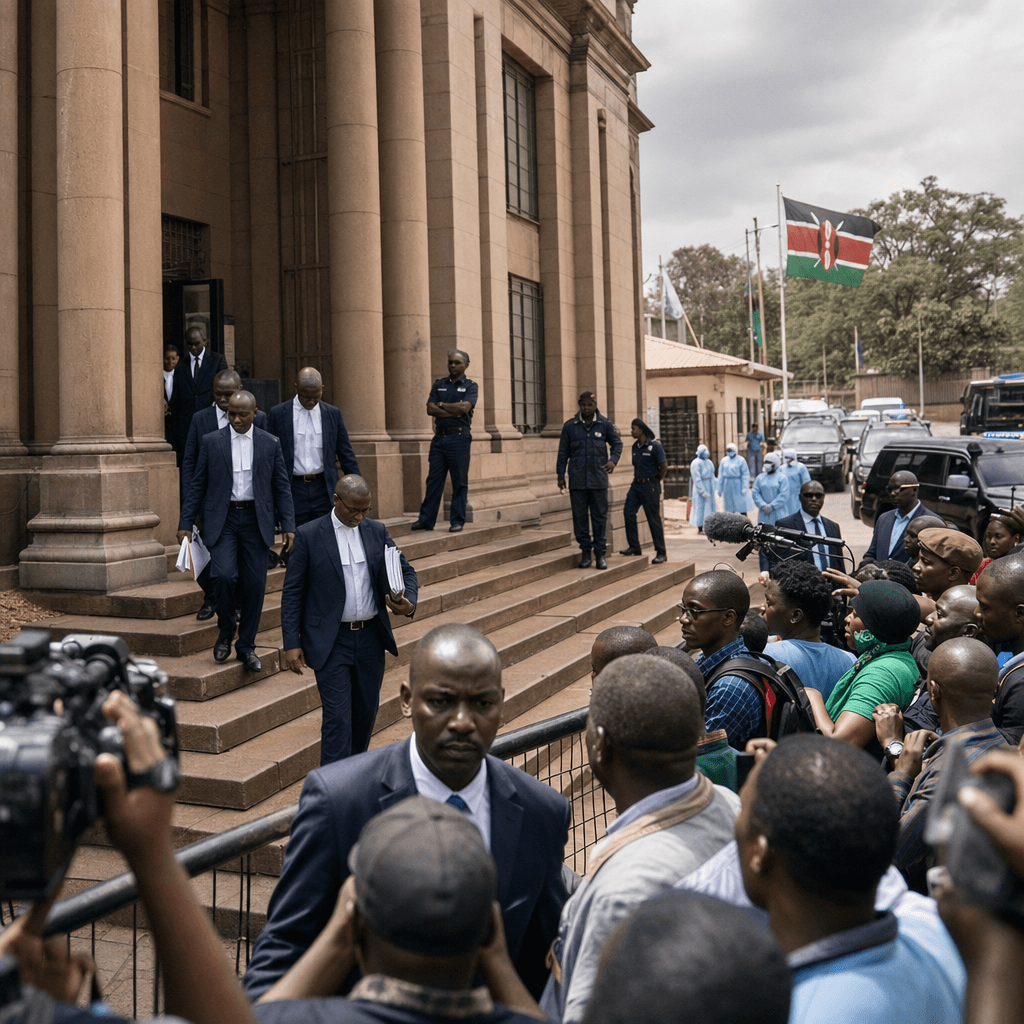
The high-stakes security partnership between Nairobi and Washington has hit a domestic wall. On Tuesday, Kenya’s High Court ordered the government of President William Ruto to release all agreements, biosafety assessments, and operational protocols regarding a planned US-linked Ebola quarantine facility, according to Al Jazeera. The ruling extends an injunction blocking the opening of the 50-bed isolation site at the Laikipia Air Base in Nanyuki—a facility designed to hold asymptomatic Americans exposed to the virus in the neighboring Democratic Republic of Congo. The judicial intervention comes just hours after public protests in Nanyuki turned deadly, with the
BBC reporting that police shot two demonstrators dead.
The Cost of Backroom Diplomacy
The confrontation highlights the operational friction of the United States outsourcing its biosecurity logistics to African partners. Ruto acknowledged that he approved the facility after a direct request from US President Donald Trump, framing the deal as a continuation of long-standing bilateral health collaboration. Washington had pledged $13.5 million to boost Kenya’s Ebola preparedness as part of the arrangement, but the transaction was kept entirely quiet until activists intervened.
By attempting to bypass public and legislative scrutiny, President William Ruto has united a powerful domestic coalition against his administration's foreign policy. The lawsuit, spearheaded by the Katiba Institute alongside the Law Society of Kenya and the country’s dominant doctors’ union, effectively mobilized public fear over a virus that Kenya has successfully kept outside its borders. To local actors, the arrangement looked less like mutual health cooperation and more like an unequal exchange, where Kenya accepted hazardous bio-responsibilities to shield American citizens from returning home for quarantine.
Domestic Institutions Limit Executive Hand
This legal standoff represents a major test for Kenya’s judicial independence in the arena of Global Politics. Justice Patricia Nyaundi’s ruling explicitly bars the government from admitting any individuals exposed to Ebola under the US agreement. This presents a direct challenge to Ruto, who has tried to de-escalate the crisis by claiming the facility is a standard part of regional emergency response and would serve both Kenyans and international partners under transparent guidelines.
The domestic leverage now lies with the professional unions and local politicians. The Kenya Medical Practitioners, Pharmacists and Dentists Union (KMPDU) has threatened a nationwide strike, arguing the country lacks the high-containment infrastructure to safely manage Ebola cases without triggering local transmission. Meanwhile, local leaders in Laikipia County, including Governor Joshua Irungu and regional MPs, have publicly rejected the facility, stripping Ruto of vital local political cover.
What to Watch Next
The immediate flashpoint is the High Court’s disclosure deadline. The government must now decide whether to hand over the classified protocols of its agreement with Washington or risk a constitutional crisis by ignoring the court. Observers should watch June 9, the deadline set by local protest organizers for the complete dismantling of the Nanyuki site. If military aircraft continue to operate out of the Laikipia base in defiance of the injunction, the resulting labor strikes and street protests could transform a localized biosecurity dispute into a systemic political crisis for the Ruto administration.
Discover more

International Relations
Pakistan's Key Role in US-Israel-Iran Meddle
Pakistan is seeking to mediate the US-Israel-Iran conflict, balancing high-stakes diplomacy against severe economic pressures and steep regional challenges.

Economics
Fed's Amex AML order puts correspondent banking on notice
Federal Reserve's Amex AML order requires board-level controls and a 90-day plan; OCC fined the bank $350 million over enterprise-wide deficiencies.
Conflict & Security
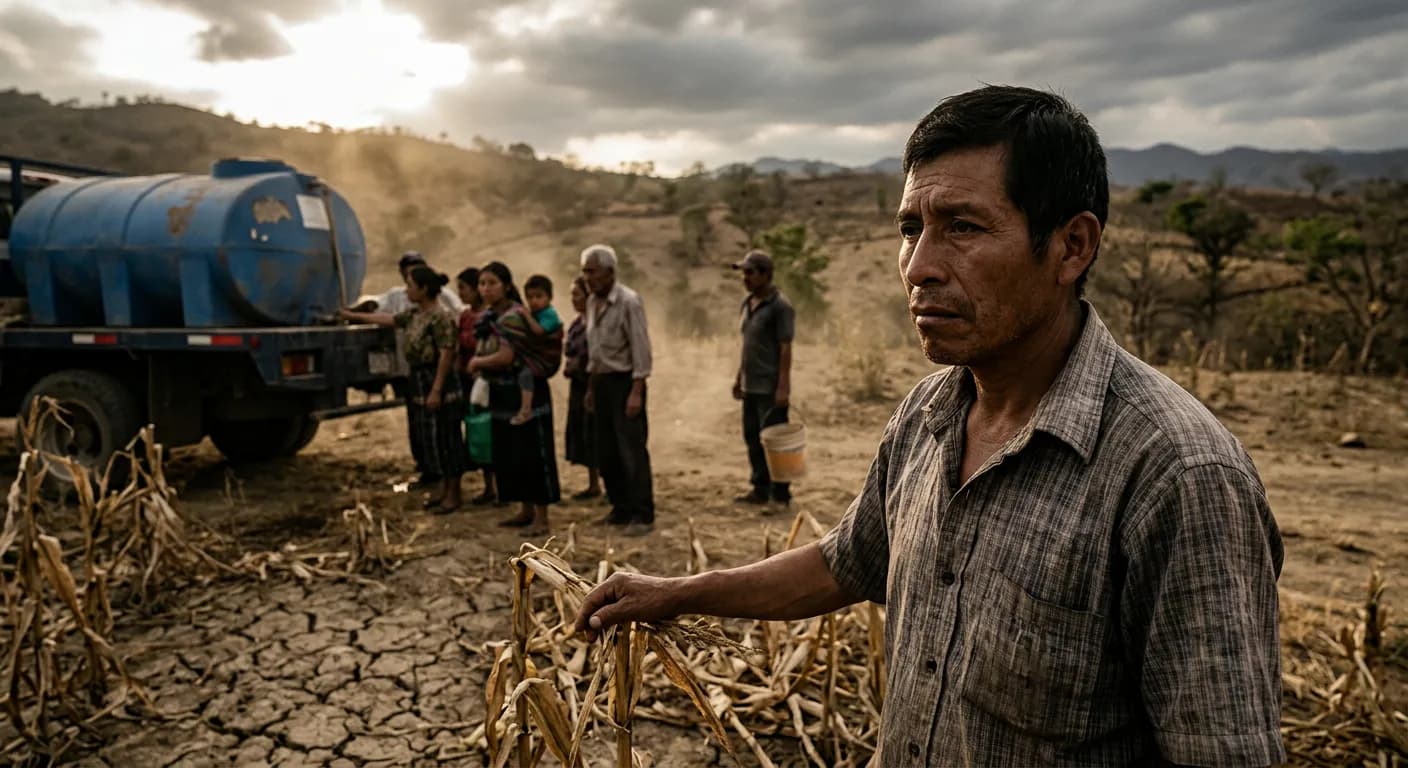
Guatemala: El Niño 2026–27 becomes regional security test
UNICEF: 25.8M children face El Niño risks in Latin America; Guatemala maps 188 municipalities for drought and food insecurity amid regional security test.

Economics
Fed's stress-test overhaul is a capital-smoothing exercise
Federal Reserve finalized stress-test overhaul: two-year averaging for bank capital buffers and public input, expected to halve volatility.