Karnataka Reinstates IPS Officer Rao Before 退
Karnataka reinstates IPS officer K. Ramachandra Rao before retirement.
Model Diplomat3 min readAsia
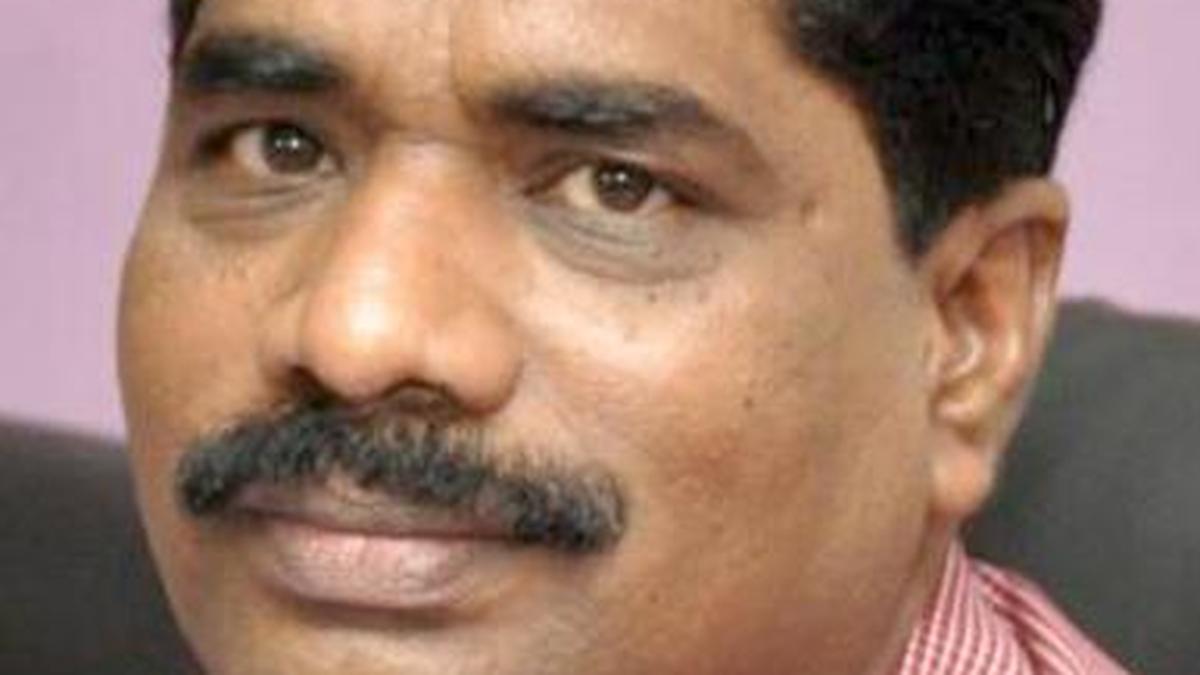
Karnataka Lifts Rao Suspension, Signals a Managed Exit
Bengaluru has reinstated IPS officer K. Ramachandra Rao weeks before retirement, turning a public scandal into a controlled administrative exit.
The Karnataka government has revoked the suspension of IPS officer K. Ramachandra Rao and put him back in service with immediate effect, posting him as Director General of Police (Police Manual) until further orders, according to The Hindu. The timing matters: Rao is due to retire on May 31, and the state has effectively chosen reinstatement over prolonged suspension just as his service is ending.
The state now controls the frame
This is less a rehabilitation than a managed closing of the file. Rao was suspended on January 19 after viral videos allegedly showed him in compromising positions in his office, and disciplinary proceedings were formally initiated on March 18, The Hindu reported. But the state has now moved him out of the suspended category and into a fresh DGP-equivalent post, a face-saving administrative step that keeps him inside the system while avoiding the optics of a senior officer remaining under suspension at retirement.
That sequencing suggests the government sees value in ending the matter on its own terms. It also limits the political damage from leaving a DGP-rank officer suspended through retirement, which would have kept the scandal alive in public service records and media coverage. For a government managing a sensitive law-and-order bureaucracy, the priority is not just discipline; it is control over how the discipline is concluded. See also India and
Global Politics.
Why this officer still matters
Rao is not a routine mid-level transfer. He was already under scrutiny in 2025 over allegations linked to his stepdaughter Ranya Rao’s gold-smuggling case, though The Hindu said he was cleared of those charges in an inquiry. That earlier episode made him a politically exposed figure inside the Karnataka police hierarchy before the viral-video controversy put him back at the center of attention.
Other coverage underlines how quickly the scandal moved from social media into formal state action. Mathrubhumi English reported that Rao denied the allegations, called the clips fabricated, and said the government was acting after a probe was ordered.
The Hindu earlier reported that the state cited conduct “unbecoming” of a government servant and embarrassment to the administration when it first suspended him.
The revocation therefore does not erase the underlying problem. It signals that the government believes the immediate disciplinary purpose has been served, or that it is no longer worth carrying the suspension any longer. Either way, Rao benefits from ending his career in service rather than under punishment. The government benefits by avoiding a messy, prolonged public dispute over a retiring officer.
What to watch next
The next decision point is May 31, when Rao retires. If the disciplinary file is allowed to lapse with his retirement, the state will have effectively closed the case without a final punitive finding. If the inquiry remains active, Karnataka may still preserve the option of follow-up action on record, even after he leaves service. The other signal to watch is whether the state uses this case to justify tougher handling of pending IPS disciplinary matters, or whether this remains an exceptional, last-minute accommodation for one officer.
Discover more
India
Rajnath Singh's Durga Squad for 2026 Polls
Rajnath Singh's 'Durga Squad' initiative targets women's safety ahead of Assembly Elections 2026, contrasting with Rahul Gandhi's southern campaign.
India
Modi's Women’s Convention in Varanasi
PM Modi's upcoming women’s convention in Varanasi aims to boost support ahead of West Bengal elections, highlighting women's empowerment initiatives.
Global Politics
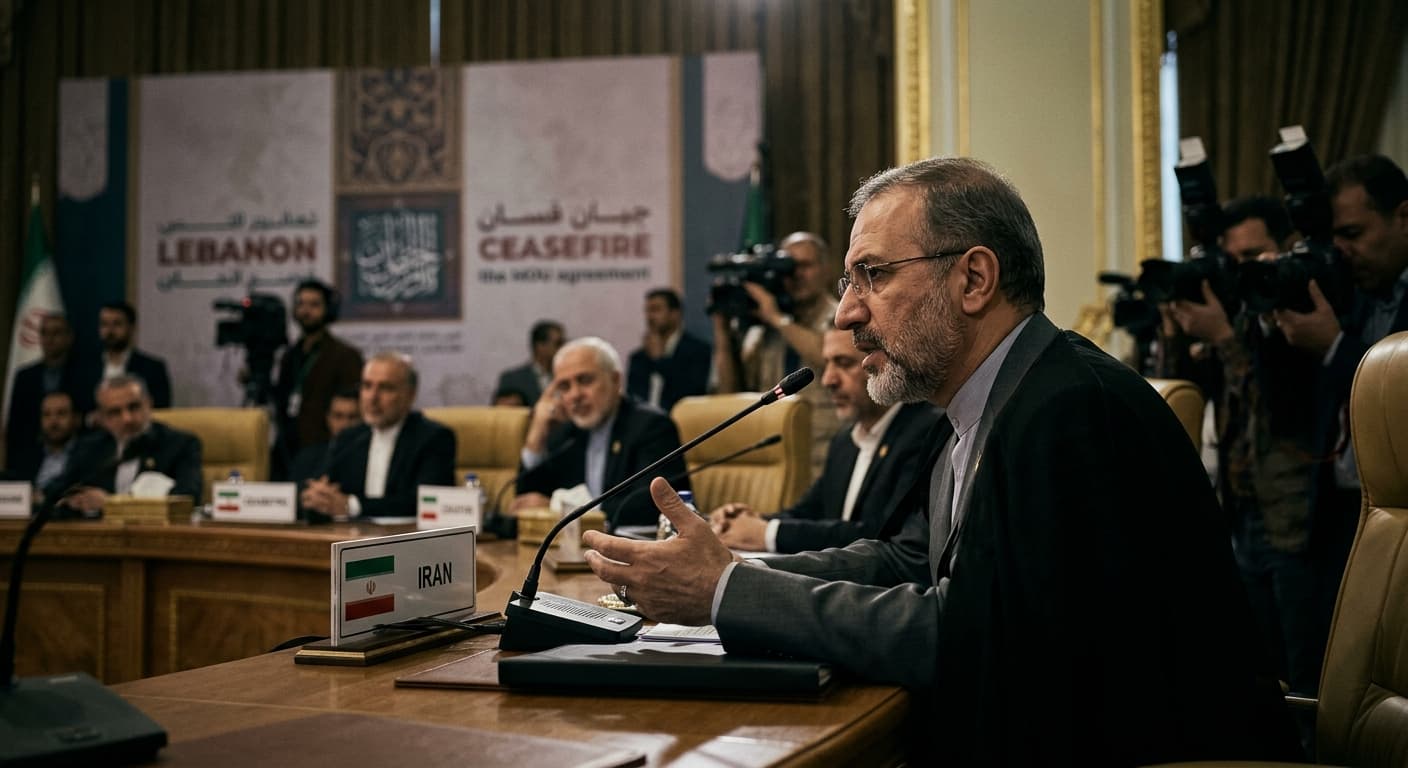
Iran Demands US Enforce Ceasefire
Iran insists the US must enforce a ceasefire in Lebanon to uphold the MoU.
India
India Takes Vice-Presidency at FATF
India's Vivek Aggarwal becomes FATF vice president, paving the way for future leadership.