Karnataka Leadership Tensions
Congress faces pressure as leadership transition looms in Karnataka.
Model Diplomat3 min readKarnataka
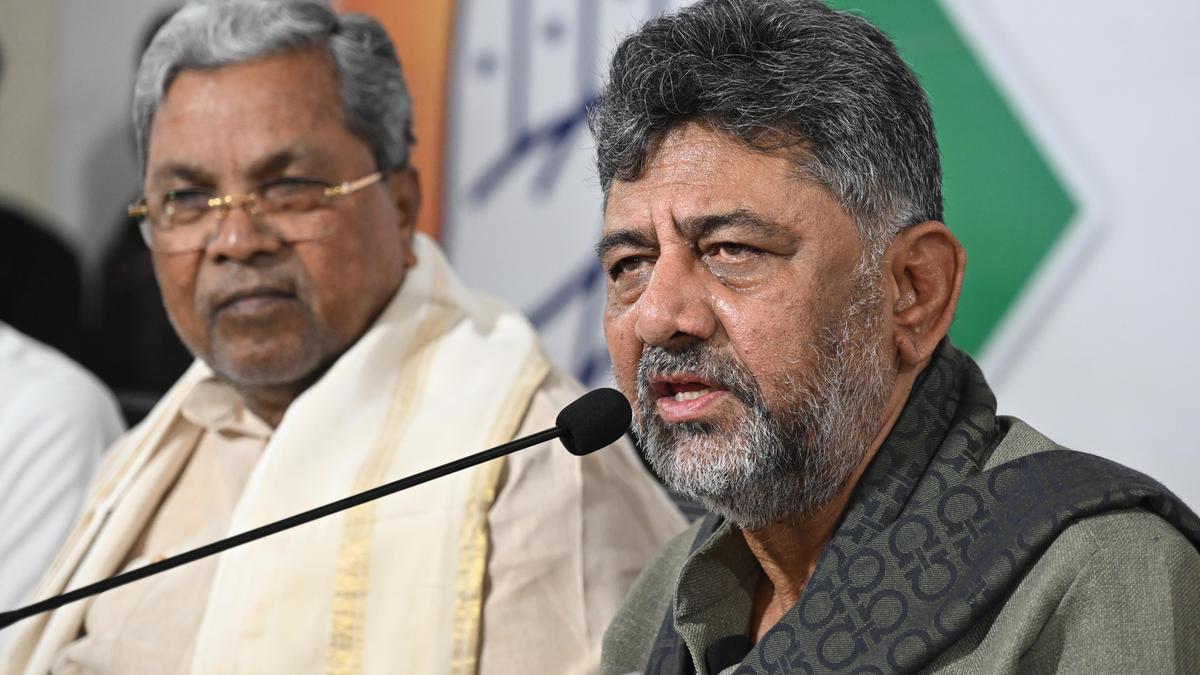
Karnataka's CM Clock: DKS Defers to Delhi, but the Pressure Is Real
Congress's Karnataka government nears its third year with a simmering leadership transition — Siddaramaiah holds the chair, but DK Shivakumar is knocking.
Deputy Chief Minister D.K. Shivakumar (DKS) returned from Delhi this week signalling disciplined deference: both he and Chief Minister Siddaramaiah would "abide by the high command's decision" on Karnataka's leadership. The statement is choreographed calm. Beneath it, Congress's Karnataka unit is visibly restless — a bloc of MLAs descended on New Delhi earlier this month refusing to leave without cabinet reshuffle talks, and the government formally crosses three years in office in May 2026.
The Arrangement Everyone Knows About
When Congress swept Karnataka in May 2023, the party resolved an internal stand-off by installing Siddaramaiah as Chief Minister while positioning DKS — the KPCC president, primary fundraiser, and organisational muscle of the state unit — as Deputy CM. No written power-sharing timeline was ever made public, but the political expectation, widely understood inside the party, was a mid-term rotation. That moment is now arriving.
Home Minister G. Parameshwara has publicly argued Siddaramaiah should serve the full term through 2028, framing it as continuity and dismissing the rotation logic. But Parameshwara's position reflects the Kuruba community's stakes in keeping Siddaramaiah (a dominant Kuruba vote-puller) in the chair — not a neutral read of party dynamics. The competing pull is the Vokkaliga consolidation that DKS represents: Karnataka's second-largest community and the social base Congress needs to hold in the 2028 assembly election.
Who Holds the Leverage
The Congress high command — specifically AICC president Mallikarjun Kharge and general secretaries K.C. Venugopal and Randeep Singh Surjewala — is the sole decision-making node here. Both Siddaramaiah and DKS have publicly surrendered their agency to Delhi, which is itself a power move by the centre: it prevents either Karnataka faction from claiming a mandate.
DKS's controlled public posture is strategic. By not agitating openly, he avoids a disciplinary backlash while keeping pressure simmering through MLA proxies — the group that camped in Delhi in mid-April, meeting Kharge to push for a reshuffle, was doing his bidding without his fingerprints. Siddaramaiah, facing a residual legal cloud from the Mysuru Urban Development Authority (MUDA) land allotment case, is in a structurally weaker position than he was 12 months ago.
The high command's calculus: a Karnataka cabinet reshuffle first (to reward loyalists and ease MLA dissatisfaction), potentially followed by a CM transition before the 2027–28 electoral cycle begins in earnest. Kharge, himself from Karnataka, will not want a fractured state unit heading into that campaign.
For deeper context on Congress's internal management of state governments, see India Politics.
What to Watch Next
Three signals will clarify the timeline:
- A cabinet reshuffle announcement — expected imminently — will indicate whether Delhi is managing the pressure incrementally or preparing for a bigger move.
- Results from the Bagalkot and Davangere South bypolls: a poor performance weakens Siddaramaiah's argument that his caste arithmetic remains electorally essential.
- Any DKS trip to Delhi in May, coinciding with the government's third anniversary, will be the real tell. If he goes and stays longer than a day, the transition conversation has formally begun.
The chair has not moved. The clock has. Source: The Hindu
Discover more
India
BJP Congress Clash Over MP Bill Defeat
The BJP's defeat of the women's quota amendment sparks a political narrative war with Congress, impacting future elections.
India
Congress Accuses Modi of Stalling Women's Law
Congress accuses Modi of stalling women's reservation law by linking it to delimitation, revealing a deeper electoral strategy.
India
Congress Advocates 33% Women’s Quota
Congress calls for a 33% women's reservation in the existing 543 Lok Sabha seats, countering Modi's plan to expand the house to 850 seats.

Conflict & Security
Drone Warfare Killing Aid Workers at Unprec
Over 1,000 humanitarian workers killed in three years as cheap armed drones collapse legal protections. Gaza, Sudan, Ukraine, and DRC see deliberate targeting of aid convoys and hospitals with zero prosecutions.