Kalai-II Hydel Project's Bird Clearance Dilem
Arunachal's Kalai-II dam project encounters environmental scrutiny.
Model Diplomat3 min readAsia
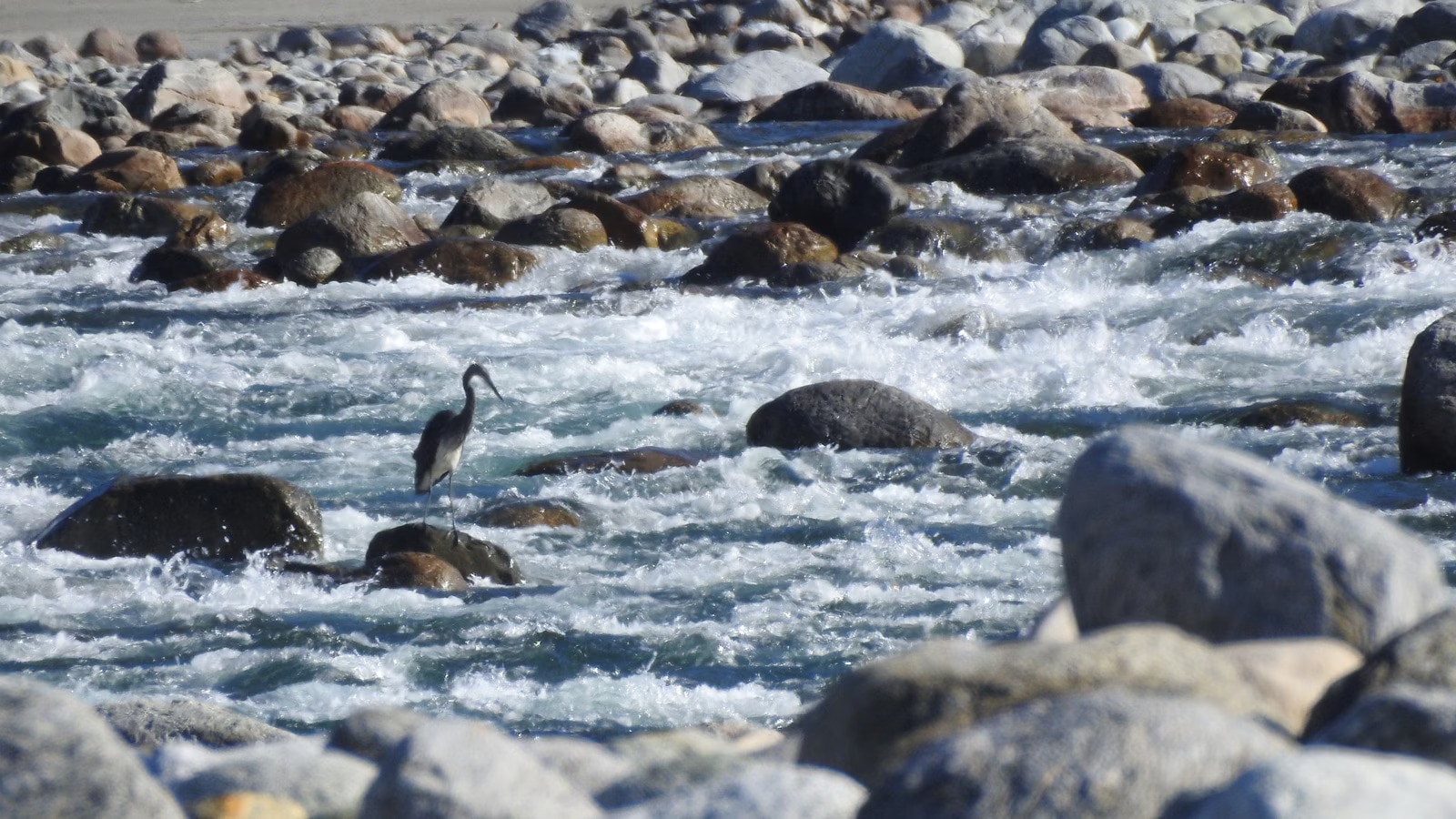
Kalai-II Hydel Push Tests Arunachal’s Bird Clearance
The Kalai-II dam is moving fast, but its clearest obstacle is now the Environment Ministry’s forest panel, which critics say has been told too little about a critically endangered heron.
The real leverage sits with the Environment Ministry’s Forest Advisory Committee: on May 8 it is slated to consider THDC India Ltd’s request to divert 869.35 hectares of semi-evergreen forest for the 1,200-MW Kalai-II hydroelectric project in Arunachal Pradesh’s Anjaw district, even though the proposal reportedly omits any mention of the white-bellied heron, a Schedule-I species and critically endangered bird known from the Lohit basin (The Indian Express). That is not a paperwork lapse. It is the point at which a development project either gets narrowed by ecology or gets approved on the basis of incomplete ecology.
The project already has political momentum
The Kalai-II scheme is not coming to the panel as a blank slate. The Union Environment Ministry’s expert appraisal committee had already recommended environmental clearance for the project in December, and the Cabinet approved the Kalai-II and Kamala projects in April with a combined outlay of more than ₹40,000 crore, including about ₹14,105.83 crore for Kalai-II (The Indian Express;
The Hindu). That means the developer, the Arunachal Pradesh government, and the Centre all have a strong incentive to keep the project moving.
But the forest panel still controls the last major gate. If it clears the diversion as a routine land-transfer issue, the review will have implicitly accepted the narrow framing in the proposal documents — a framing that the Indian Express says also includes a joint site inspection report declaring that “no rare or endangered flora and fauna is present” in the diversion area (The Indian Express).
Why the bird omission matters
The white-bellied heron is not a marginal species. It is one of the rarest birds in Asia, and earlier reporting by the Indian Express noted that researchers and local residents have recorded it both upstream and downstream of the project zone, including around Kamlang and Namdapha, while the 2020 clearance for the nearby Lower Demwe project had already triggered a demand for a dedicated conservation plan (The Indian Express). If Kalai-II is approved without explicitly confronting that habitat, the precedent is clear: hydropower will keep outrunning wildlife review in eastern Arunachal, and compensatory afforestation in Madhya Pradesh will be treated as an acceptable substitute for lost forest in the Lohit valley (
The Indian Express).
For policymakers, the issue is not whether Arunachal should build power. It is whether the state and the Centre are willing to let a species already under legal protection disappear from the record before the dam is even built.
What to watch next
The immediate decision point is the May 8 FAC meeting. Watch for three things: whether the committee asks for a fresh heron survey, whether it demands a species-specific mitigation plan, and whether it clears forest diversion without revising the project’s ecological baseline. If it does the last of these, the project will have crossed the most politically sensitive hurdle with the weakest possible environmental record.
Discover more

India
CPI(M) Calls to Decouple Quota from Delimita
CPI(M) demands the Indian government to separate quota policies from delimitation to enhance representation for marginalized communities.

India
Congress Advocates 33% Women’s Quota
YS Sharmila of Congress reaffirms 33% women's quota, accusing Modi of politicizing the issue amid delimitation talks.

Global Politics
Iran Releases $12B Frozen Assets Deal
Iran secures $12 billion in frozen assets as US lifts oil sanctions under new deal.

India
India-UK Trade Pact Removes Tariffs on 99%
India's trade pact with the UK eliminates tariffs on 99% of exports, but execution risks loom.