Judge Demands DOJ Justify Adani Dismissal
Federal judge sets deadline for DOJ to explain fraud case dismissal
Model Diplomat4 min readNorth America

Garaufis Puts DOJ on the Clock: Justify the Adani Dismissal or Risk Losing It
A federal judge demands the Trump DOJ explain why it dropped a marquee fraud case against India's Gautam Adani — and the July 13 deadline could expose the deal behind the dismissal.
US District Judge Nicholas Garaufis has given the Justice Department until July 13 to explain why it abandoned criminal fraud and bribery charges against Indian billionaire Gautam Adani, branding prosecutors' earlier filing "terse, bland and conclusory" and unfit for judicial review. Al Jazeera
The order, issued Wednesday and reported Friday, halts what had appeared to be a clean exit for Adani. His legal team, led by Trump personal attorney Robert Giuffra of Sullivan & Cromwell, had asked Garaufis just days earlier to formally dismiss the case with prejudice. Instead, the judge opened a new front.
The case traces to November 2024, when the Biden-era DOJ unsealed an indictment alleging Adani conspired to pay roughly $265 million in bribes to Indian officials to secure a solar-power contract, then misled US investors about the company's anti-corruption practices. The Securities and Exchange Commission filed a parallel civil suit. Adani Group has consistently denied all charges. BBC
Everything shifted in May 2026. After Adani retained Giuffra — who also represents Donald Trump personally — the DOJ moved to dismiss the criminal case. Within the same window, Adani reached a combined $18 million SEC settlement (no admission of wrongdoing) and his flagship firm agreed to pay the US Treasury $275 million over alleged Iran sanctions violations. BBC Adani also pledged $10 billion in US investment and 15,000 jobs — a commitment he had first signaled to Trump after the 2024 election.
Reuters via The Hindu
The power dynamic has shifted — to Garaufis
The DOJ cannot unilaterally kill this case. Under Rule 48(a) of the Federal Rules of Criminal Procedure, dismissal of an indictment requires "leave of court." That gives Garaufis a gatekeeper role prosecutors clearly hoped would be a formality.
It is not. His written ruling makes plain he will not accept the DOJ's one-paragraph filing as sufficient. He is demanding the government articulate its rationale on the merits — a request that could force public disclosure of the internal calculus linking Adani's investment pledge, his legal team's political connections, and the decision to walk away from a marquee foreign-bribery prosecution.
Robert Giuffra sits at the center of the tangle. His firm, Sullivan & Cromwell, mounted a 100-slide presentation to DOJ officials arguing the case was legally flawed and beyond US jurisdictional reach. Outlook Business Separately, his Sullivan & Cromwell colleague James McDonald has been tapped by Trump to serve as the top federal prosecutor in Manhattan — the very office that would handle any revived enforcement. The optics of a personal lawyer to the president securing a dismissal, while a team member ascends to US Attorney, are difficult for the DOJ to sidestep in any serious explanation to the court.
Who gains, who loses
Adani remains the primary beneficiary if the dismissal holds. Three US legal exposures — criminal, civil, and sanctions — would be resolved within weeks of each other, restoring his ability to travel and raise capital without legal overhang. His net worth, pegged at $108 billion by Bloomberg, has survived the scrutiny largely intact.
The DOJ's credibility is the immediate loser. Garaufis's order signals that judges — even in a political environment where the administration has signaled disinterest in foreign-bribery prosecutions — may not rubber-stamp dismissals that carry the whiff of a quid pro quo. If the July 13 filing reveals that the $10 billion pledge was explicitly part of the calculus, the fallout could reach beyond this case into broader questions about the department's independence under Trump.
India gains too, indirectly. The Adani case had become a diplomatic irritant in US-India relations, and Secretary of State Marco Rubio's visit to New Delhi in late May — days after the dismissal — was widely read as part of a broader reset. Al Jazeera
What to watch
July 13 is the hard date. The DOJ's response will reveal whether it defends the dismissal on legal grounds — jurisdictional overreach, evidentiary weakness — or offers the court something more transactional. A filing that leans heavily on prosecutorial discretion without addressing the investment pledge will invite further scrutiny from Garaufis, who has already demonstrated he will read between the lines.
If the judge rejects the dismissal or demands an evidentiary hearing, the case would lurch back to life in an administration that has no appetite for it — an outcome that would test whether the DOJ can be compelled to prosecute a case it has already decided to bury.
Discover more

India
Yamini Aiyar on Modi's Federalism Shift
Yamini Aiyar critiques Modi's shift from equity-based to performance-based federalism, highlighting implications for India's political landscape.
India
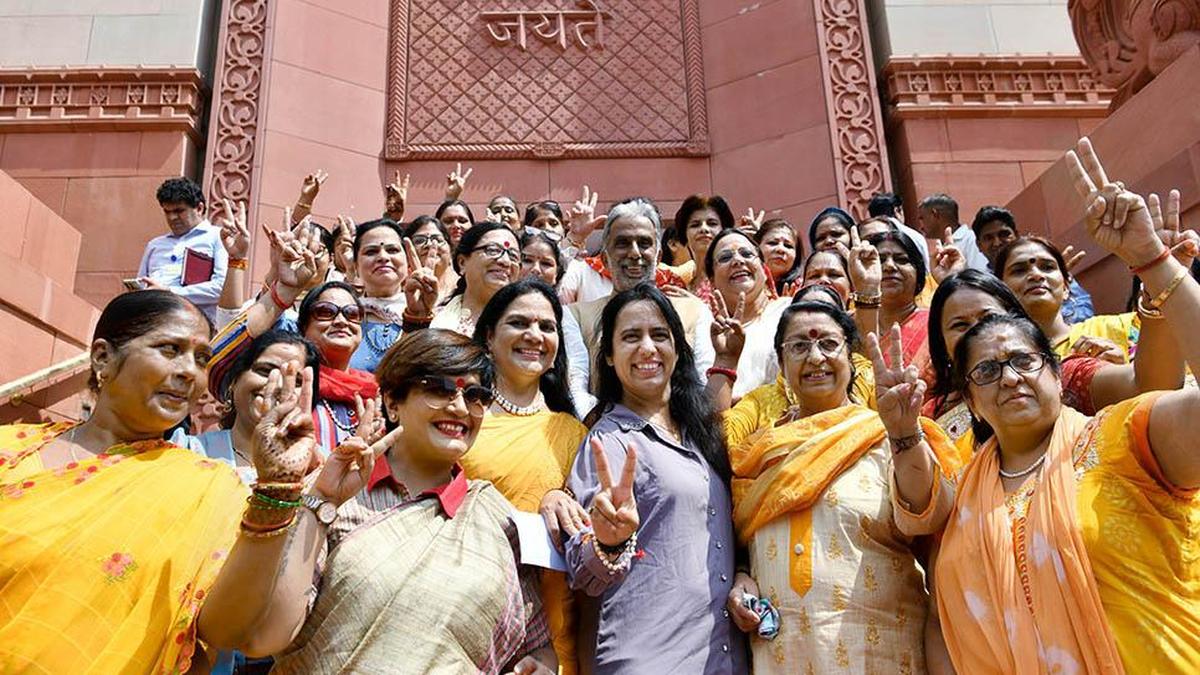
Women’s Reservation in India
India's 33% women's reservation law is enacted but won't take effect until after 2029 due to political setbacks and census delays.

Global Politics
US-Iran Tensions Rise
Tensions escalate in the Strait of Hormuz as Iran and the US clash over maritime control, with a ceasefire hinging on a contested MoU paragraph.
Economics
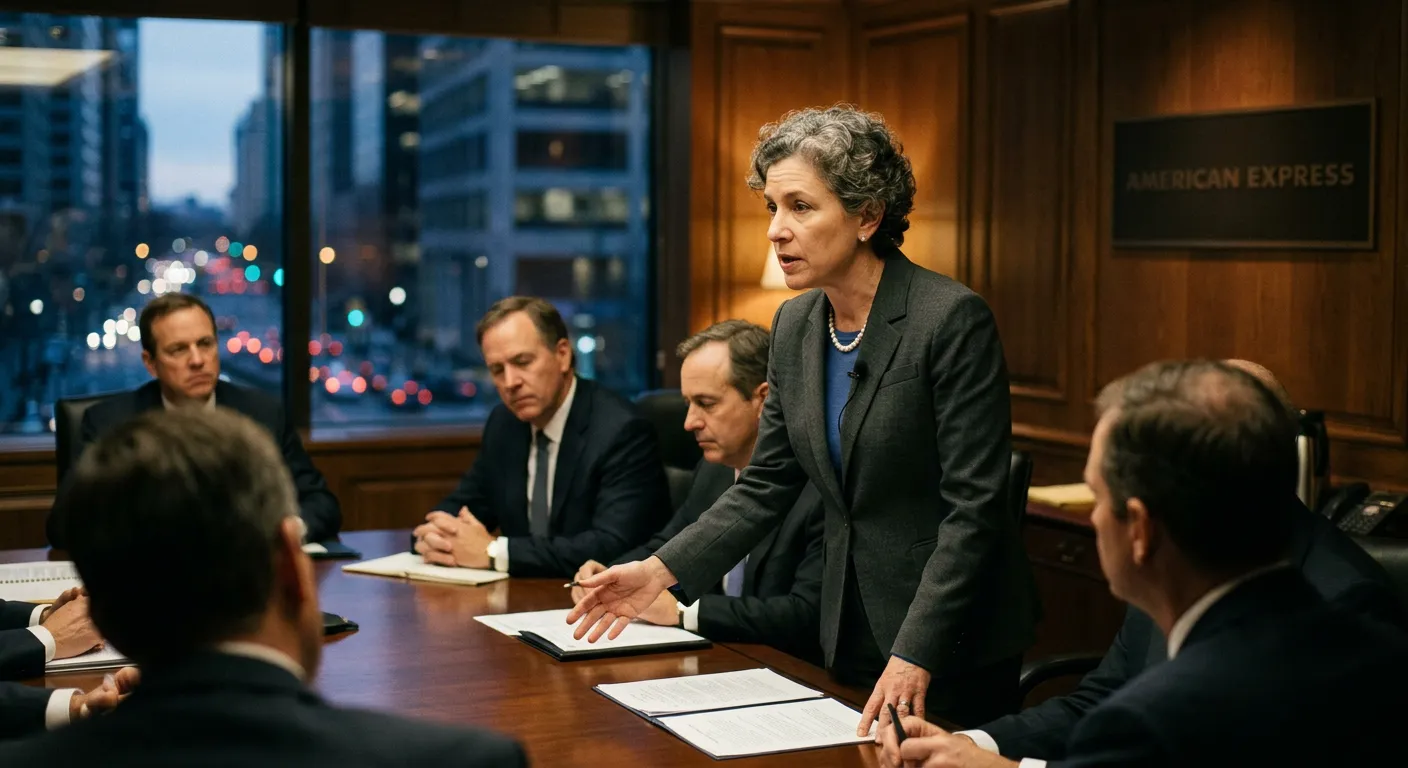
Fed's Amex AML order puts correspondent banking on notice
Federal Reserve's Amex AML order requires board-level controls and a 90-day plan; OCC fined the bank $350 million over enterprise-wide deficiencies.