Israel's Lebanon Strikes Undermine Ceasefire
Israel continues air attacks despite ceasefire claims.
Model Diplomat3 min readMiddle East
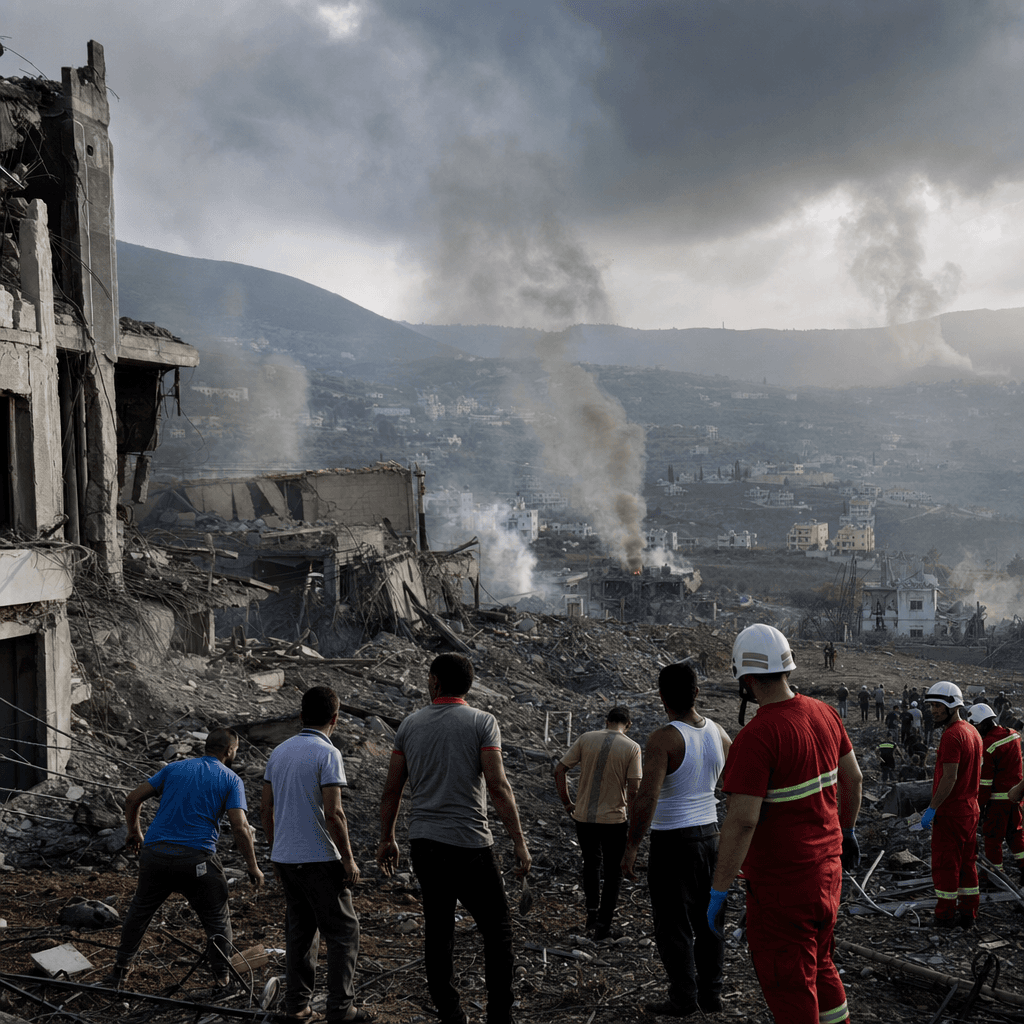
Israel’s Lebanon strikes expose a ceasefire with no teeth
Israel’s latest raids near Tyre and the Syrian border show the real power in this truce: Israel can keep firing while Washington’s ceasefire framework absorbs the blow.
Israel launched a new wave of air attacks in Lebanon on Saturday, hitting the mountainous Nabi Sreij area near Brital and several villages in the south after earlier raids had already killed 10 people, according to Al Jazeera. The same report said the Israeli military issued fresh forced-displacement warnings for Burj Rahal, Tyre and Zqouq al-Mufdi, signaling that the ceasefire now functions mainly as a diplomatic label, not an operational constraint.
Israel is setting the pace
This is the core power dynamic: Israel is retaining the ability to strike where it wants, when it wants, while insisting it is targeting Hezbollah infrastructure. Al Jazeera said the attacks hit areas that had been spared since April 17, while the Lebanese state news agency reported explosions in Yohmor al-Shaqif and Taybeh. That matters because it shows the front is no longer confined to a narrow border strip; Israel is widening the geography of pressure.
The casualties make the same point even more starkly. The Independent, citing Lebanon’s Health Ministry and the Associated Press, reported that Friday’s strikes killed 10 people, including six paramedics and a Syrian girl. That is politically useful to Israel only if the purpose is coercion, not stabilization: each strike reinforces deterrence, but each civilian death also deepens the Lebanese government’s inability to sell restraint at home.
Lebanon loses, Hezbollah gains
Lebanon’s government is the immediate loser. It is trying to preserve a US-brokered process that began in mid-April and was extended by 45 days last week, according to Al Jazeera. But every renewed strike weakens Beirut’s argument that talks can deliver relief. The more the fighting continues, the more the Lebanese state looks like a bystander to a war being managed by others.
Hezbollah also benefits from the pattern, even as its own position remains exposed. The group can present Israeli raids as proof that diplomacy is failing and that disarmament is a trap. Al Jazeera reported that Israel says it will keep targeting Hezbollah, while Hezbollah has continued to trade fire. That gives the militia an argument for resistance and a reason to reject any settlement that leaves Israel free to strike without consequence.
For Washington, the problem is leverage without enforcement. The ceasefire exists because the US brokered it; it survives only if the US can persuade Israel that repeated violations carry costs. So far, it has not. That leaves the region in a familiar but dangerous pattern: Israeli operational freedom, Lebanese diplomatic weakness, and a ceasefire that lowers the temperature only between major escalations.
What to watch next
The next test is the follow-up round of talks and whether the US turns ceasefire language into real constraints on Israeli strikes. Watch for two dates: the next Washington track and any new Israeli displacement orders in Tyre or Nabatieh. If those come before diplomacy produces results, the ceasefire will be exposed as a holding pattern on the way to a wider war.
Discover more
Global Politics
Trump's Conflicting Messages on Iran War
Trump's mixed messages on Iran reflect a strategy of audience management, benefiting Tehran amid a complex geopolitical landscape.

Conflict & Security
Drone Warfare Killing Aid Workers at Unprec
Over 1,000 humanitarian workers killed in three years as cheap armed drones collapse legal protections. Gaza, Sudan, Ukraine, and DRC see deliberate targeting of aid convoys and hospitals with zero prosecutions.
Global
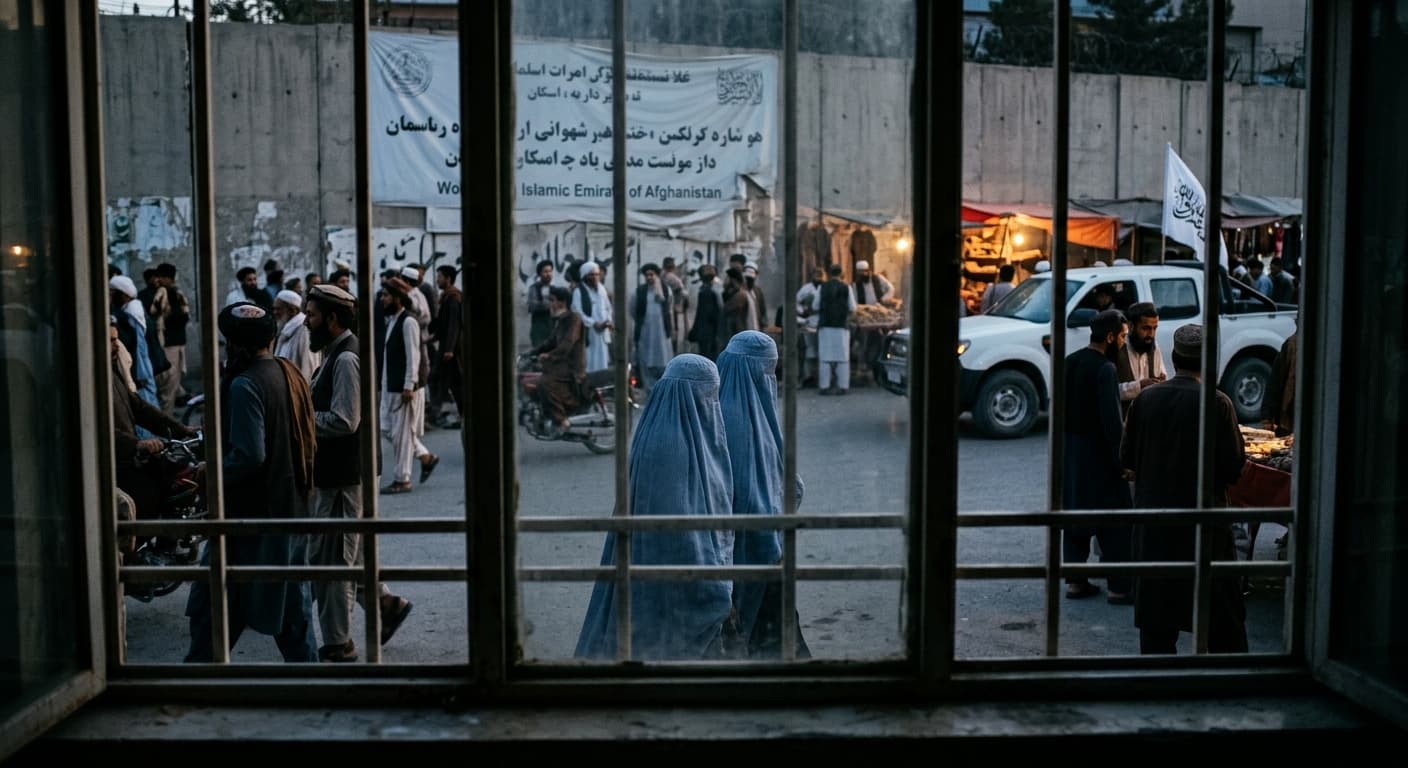
World Normalises Taliban as Afghan Women Eras
UN data shows Afghan women erased from public life as Russia recognises the Taliban, EU hosts officials in Brussels, and ICC warrants for gender persecution go unenforced.
Conflict & Security
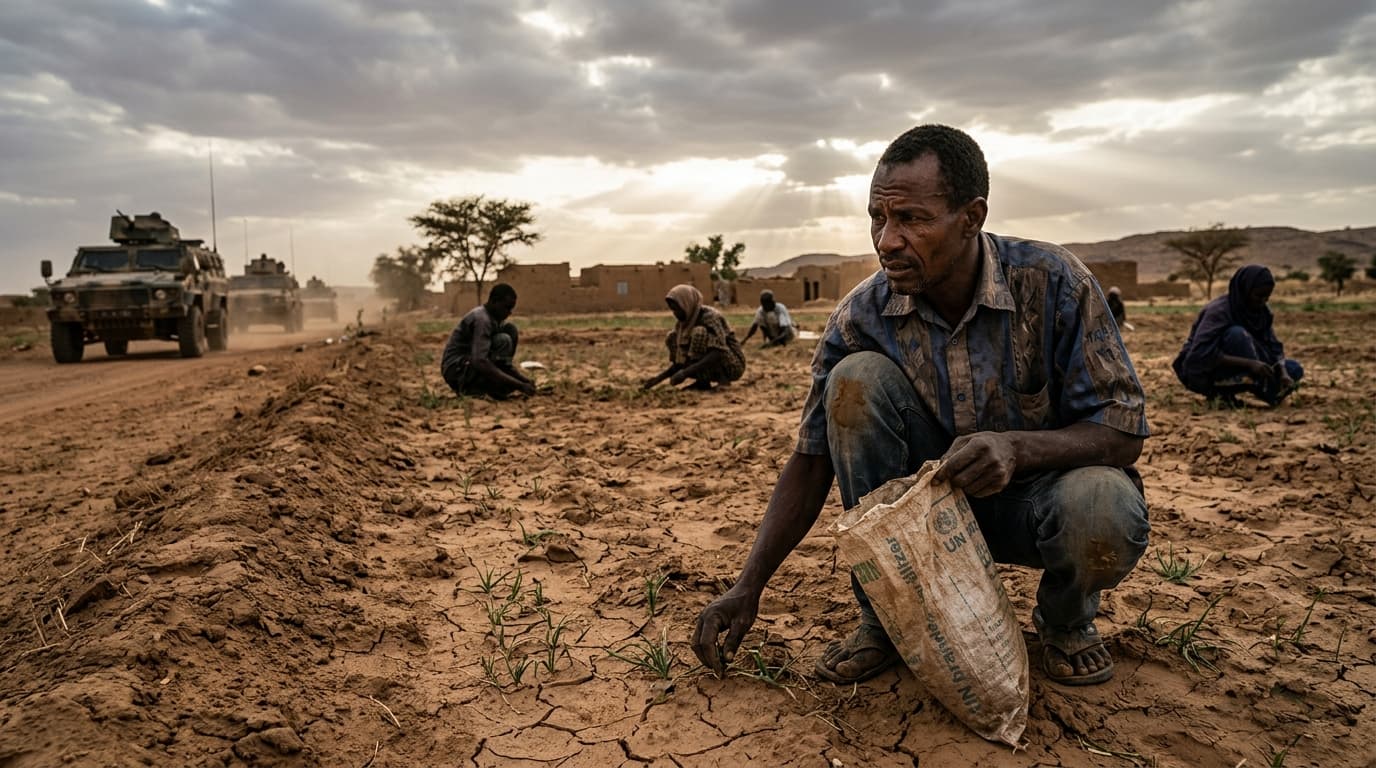
West Africa Food Crisis: Three Shocks in 2026
Conflict, climate extremes, and the Strait of Hormuz closure drive a severe food crisis in West and Central Africa, with fertilizer prices surging 80% and millions displaced.