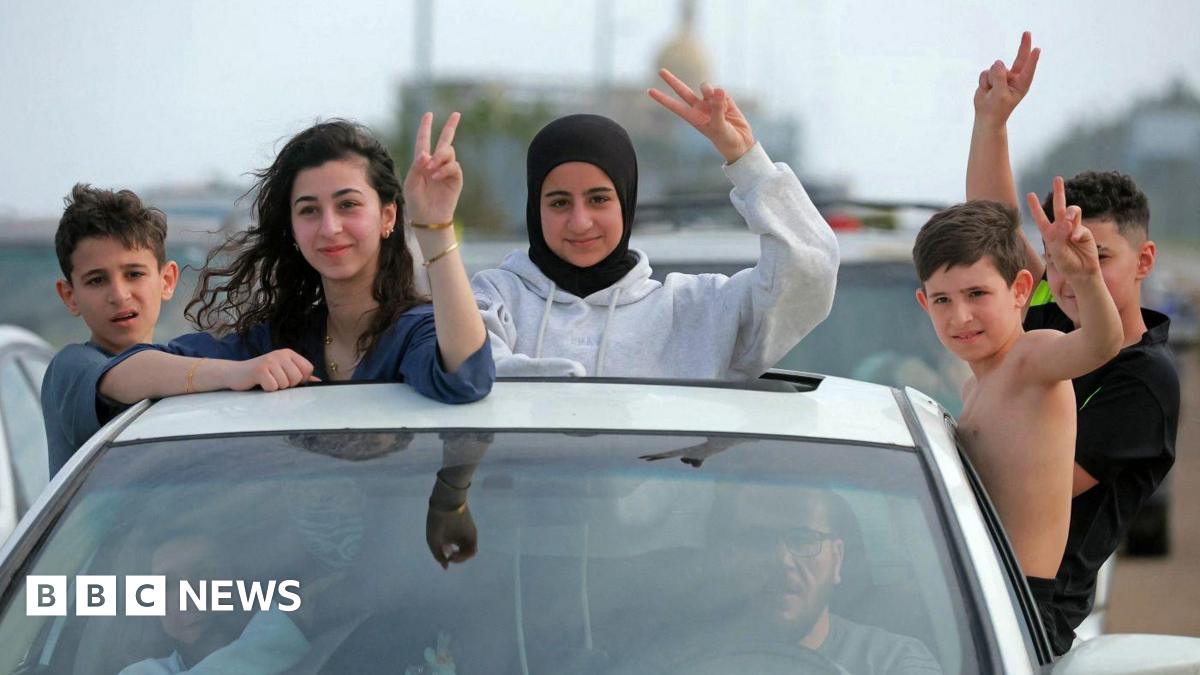
Israel-Lebanon Ceasefire Takes Hold Amid Deep Scars and Uncertain Security
The new 10-day ceasefire between Israel and Lebanon pauses intense fighting but leaves both sides grappling with heavy losses and unresolved tensions.
A fragile 10-day ceasefire between Israel and Lebanon came into effect this week, halting weeks of escalating violence that left Lebanon devastated and both sides counting civilian and military casualties. Beirut marked the ceasefire with cautious relief, though much of southern Lebanon sits in ruins and thousands are displaced. Israel remains wary, maintaining a 10-kilometer security zone in southern Lebanon to prevent further infiltration by armed groups, highlighting the enduring fault lines along this volatile border.
Why the Ceasefire Matters
This ceasefire is not just a pause in fighting; it underscores a fragile and complex geopolitical landscape in the Levant, with deep implications for regional stability. Lebanon has borne the brunt of the conflict’s destruction—critical infrastructure has been severely damaged, especially in southern border areas where militant group Hezbollah operates. This has exacerbated Lebanon’s ongoing economic crisis and humanitarian emergency, already among the worst globally.
Israel, on the other hand, reported casualties among soldiers and civilians over the course of the fighting, which it attributes mainly to cross-border rocket attacks and infiltration attempts. Israel’s insistence on a 10-kilometer buffer zone shows its concerns about Hezbollah’s entrenched presence and the possibility of renewed hostilities.
The ceasefire also comes amid signals from the United States, with former President Donald Trump claiming Washington is “close” to achieving an unspecified breakthrough in the broader Israeli-Arab conflict. While details remain vague, U.S. involvement continues to be a crucial factor in any lasting peace framework, connecting this localized ceasefire to wider regional diplomacy.
Historical Echoes and Regional Stakes
The cyclical nature of Israel-Lebanon violence—punctuated by short ceasefires and flare-ups—recalls previous wars, notably the 2006 Lebanon War, which left a similarly deep imprint on southern Lebanon and northern Israel. Each round of fighting hardens attitudes on both sides and raises the risk of wider conflict.
Lebanon’s fragile government and fractured political system complicate peace prospects further, as Hezbollah acts as both a powerful militia and a political actor. Any ceasefire must navigate not only military realities but also Lebanon’s internal dynamics and broader Middle East rivalries, particularly the influence of Iran, Hezbollah’s key backer.
For Israel, security along the Lebanese border remains a strategic imperative. The 10km no-go zone indicates a reluctance to return fully to the pre-conflict status quo, signaling that Israel remains prepared for conflict if provoked.
What to Watch
- Ceasefire compliance: Will the 10-day truce hold, or will either side resume attacks? Historically, such ceasefires are fragile and often merely temporary halts.
- Humanitarian aid: How quickly can international agencies and Lebanon’s government provide emergency relief and reconstruction for displaced civilians and damaged infrastructure?
- U.S. diplomatic moves: Watch for any concrete U.S. initiatives linked to the “close” breakthrough Trump referenced, as American involvement will shape longer-term stability efforts.
- Hezbollah’s posture: Any shift in Hezbollah’s military or political strategy could either stabilize or escalate tensions across Lebanon and Israel’s border.
This ceasefire is a temporary breath in a region brimming with unresolved conflict potential. How Lebanon and Israel navigate the next few weeks will signal whether a broader de-escalation is possible or if another spiral of violence awaits.
For more on the complex dynamics at play here, see our  Middle East Conflict and Lebanon analyses.
 BBC News: Israel-Lebanon ceasefire