Israel Extends Detention of Gaza Activists
Court prolongs detention of activists amid international outcry.
Model Diplomat3 min readMiddle East

Israel Extends Gaza Flotilla Activists' Detention Amid Blockade Clash
Israeli court adds two days to hold Brazilian Thiago Ávila and Spanish-Swedish Saif Abu Keshek, intercepted in international waters; Spain, Brazil decry illegality as protests erupt. Global Politics
An Israeli court on May 3 extended the detention of two Global Sumud Flotilla leaders—Brazilian Thiago Ávila and Spanish-Swedish-Palestinian Saif Abu Keshek—by two days for questioning, despite Israel's request for four. The pair, steering committee members, were seized when Israeli naval forces intercepted 20-22 boats carrying 170-175 activists and symbolic aid in international waters off Crete on April 29. Most were transferred to Greece and deported via Crete; these two were flown to Israel on suspicions of ties to Hamas or the US/Israel-designated terrorist group Popular Conference for Palestinians Abroad. YouTube: Israel extends detention;
WBOC: Israeli authorities taking 2 activists.
Israel Leverages Naval Power to Neutralize Challenge
Israel holds decisive leverage through its Mediterranean interdiction capability, preempting the flotilla hundreds of miles from Gaza to avoid escalation near its waters. Jerusalem justifies the action citing the flotilla's scale and alleged terror links, requesting detention on charges like "assisting the enemy during wartime" and "membership in a terrorist organization." Lawyers from Adalah report the men were blindfolded, handcuffed, and subjected to violence en route, prompting a hunger strike. Israel denies abuse claims. This mirrors last year's foiled flotilla attempt—50 vessels, 500 activists including Greta Thunberg—where all were detained and deported. The blockade, in place since 2007, remains Israel's core tool to restrict Hamas arms flows, now amplified by wartime suspicions post-October 2023. Daily Sabah: Israel extends detention;
Middle East Eye: Israel extends detention of 'tortured' activists.
Activists benefit from heightened visibility: protests in multiple countries spotlight blockade conditions, with the flotilla's April 12 launch from Barcelona framing aid delivery as a human rights test. Spain's prime minister and foreign minister condemned the "violation of international law," demanding immediate release; Brazil joined a joint statement calling it illegal. The Global Sumud Flotilla demands global pressure for "illegal abductees." Israel loses little domestically but risks diplomatic friction with EU states, echoing 2010 Mavi Marmara fallout. YouTube: Israeli court extends detention;
YouTube: Israeli court extends Gaza aid flotilla activists.
What Gains, What Loses in the Standoff
Ávila and Abu Keshek lose most immediately—detention until May 5 without charges, amid torture allegations their counsel denies as baseless. Israel gains intelligence potential from questioning but expends resources managing backlash. Brazil and Spain's governments benefit politically by championing citizens, pressuring via diplomacy without broader commitments. Pro-Palestinian networks like Global Sumud amplify narratives of Israeli overreach, sustaining flotilla momentum despite repeated failures. Gaza aid recipients see negligible impact from the "symbolic" cargo, underscoring the blockade's resilience. Times of Israel: Israel seeks to keep 2 activists.
Watch the May 5 court hearing: release, charges, or further extension will signal Israel's tolerance threshold. Spain/Brazil diplomatic escalations—possible ambassador recalls or UN moves—could follow if unresolved. Flotilla organizers hint at a third attempt; monitor port activity in Europe post-May 5. Israel-Palestine conflict.
(428 words)
Discover more

Global Politics
US Seizes Iranian Ship, Tensions Surge
The US seizure of the Iranian ship Touska highlights a shift in control over the Strait of Hormuz, favoring Iran's strategic position.

Conflict & Security
Drone Warfare Killing Aid Workers at Unprec
Over 1,000 humanitarian workers killed in three years as cheap armed drones collapse legal protections. Gaza, Sudan, Ukraine, and DRC see deliberate targeting of aid convoys and hospitals with zero prosecutions.
Global
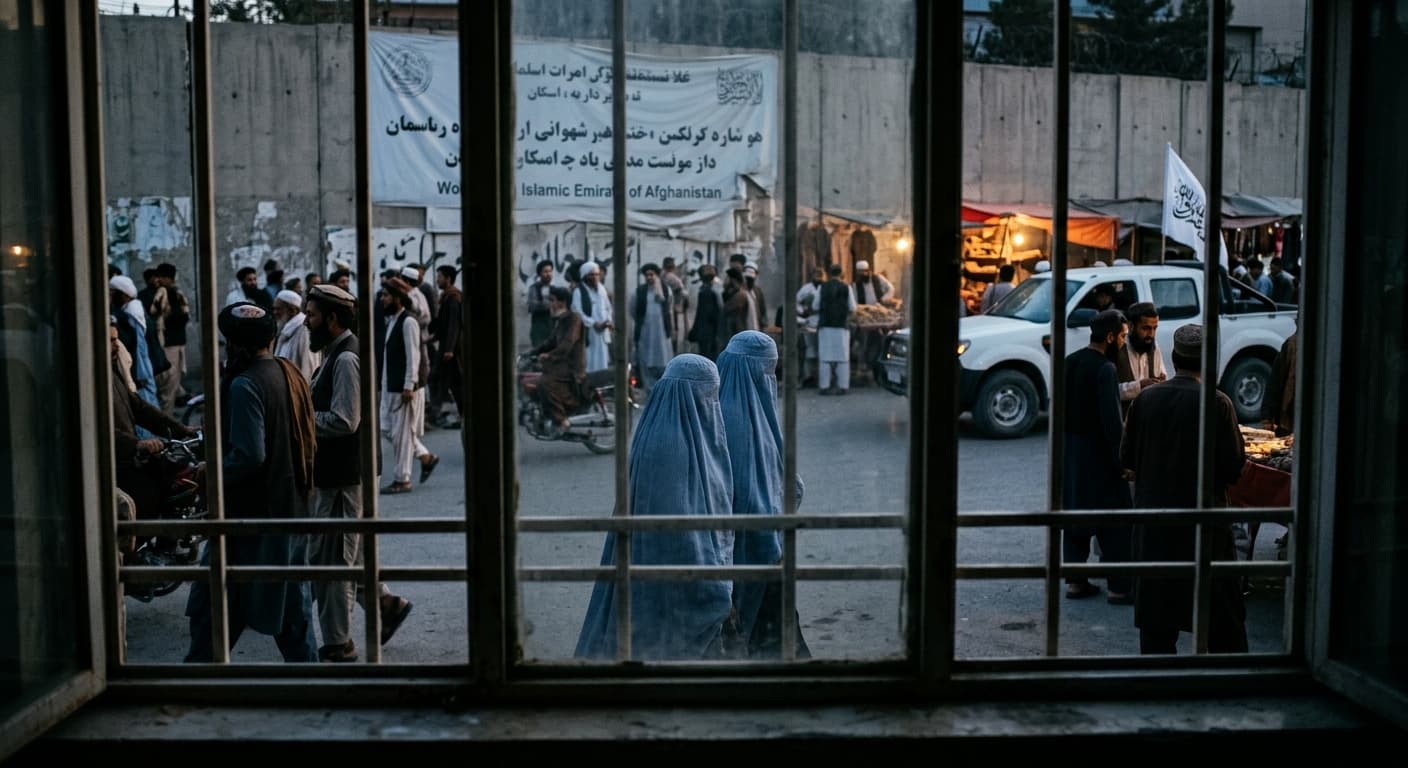
World Normalises Taliban as Afghan Women Eras
UN data shows Afghan women erased from public life as Russia recognises the Taliban, EU hosts officials in Brussels, and ICC warrants for gender persecution go unenforced.
Conflict & Security
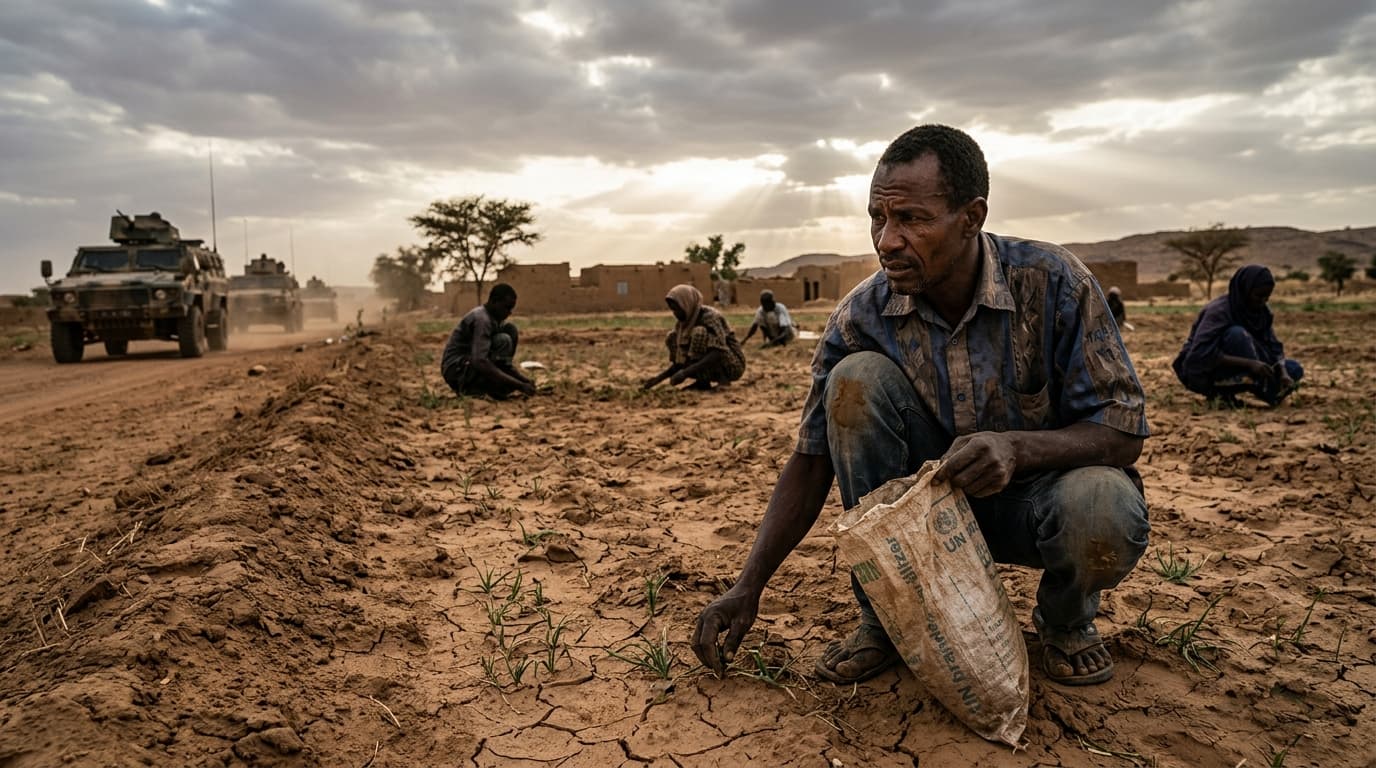
West Africa Food Crisis: Three Shocks in 2026
Conflict, climate extremes, and the Strait of Hormuz closure drive a severe food crisis in West and Central Africa, with fertilizer prices surging 80% and millions displaced.