Irish Boycott Campaign Challenges FAI's Stunt
Players and celebrities urge FAI to boycott match against Israel.
Model Diplomat3 min readEurope
Irish boycott push tests FAI’s room to maneuver
An open letter from players and celebrities raises the political cost of playing Israel, but UEFA rules still give the FAI the hard edge of leverage.
The new boycott drive is aimed less at changing the fixture than at raising the price of compliance. Reuters reported that Irish footballers and celebrities are pressing the Football Association of Ireland to refuse the upcoming matches against Israel, while the FAI is already on record saying it will play to avoid sanctions (Reuters;
BBC Sport). That puts the association in the familiar bind of modern sports diplomacy: domestic pressure is rising, but the governing rules of the competition still bind.
Who has leverage
The activists’ leverage is reputational, not procedural. The campaign — backed by figures including Roberto Lopes, Brian Kerr and other Irish football and cultural names — is trying to make the FAI look politically isolated if it takes the field (Irish Independent;
Goss.ie). But the FAI has the stronger formal position: it has already told members and media that refusing to play could trigger forfeiture and potential disqualification from the Nations League (
BBC Sport).
That matters because the association is not deciding in a vacuum. In November 2025, FAI members overwhelmingly backed a motion asking UEFA to suspend Israel from European competition — a political mandate, not a legal exemption (BBC Sport). The board can amplify that mandate, but it cannot unilaterally rewrite UEFA’s disciplinary regime.
What this means politically
This is a good example of how symbolic sport boycotts work when institutions won’t move. The campaign’s target is not really Israel alone; it is also UEFA, and by extension the Irish federation, which is being asked to convert moral sentiment into an institutional break. If the FAI plays, critics will say it is laundering a political dispute through football. If it refuses, it risks punishment that could hurt Irish players and clubs far beyond this tie.
The likely immediate beneficiary is the boycott campaign itself. Even without forcing a cancellation, it keeps Gaza in the center of Irish sports politics and makes any FAI decision look costly. The likely losers are the FAI leadership and the players who want the issue resolved before it reaches the pitch. For the Israeli side, the pressure is reputational, not competitive: the match proceeds unless UEFA acts.
What to watch next
The next hard date is not the match itself but whether UEFA opens any disciplinary or policy review before the September fixtures. If it does not, the FAI’s choice narrows to playing under protest or eating the sanctions. Watch also for whether the association tries to separate the political dispute from the sporting one — for example, by attaching a humanitarian statement or limiting public appearances around the fixture, as BBC reported it has already signaled in earlier planning (BBC Sport). For now, Ireland is the place where the boycott campaign has traction; UEFA remains the place where power sits.
Discover more

International Relations
Pakistan's Key Role in US-Israel-Iran Meddle
Pakistan is seeking to mediate the US-Israel-Iran conflict, balancing high-stakes diplomacy against severe economic pressures and steep regional challenges.
India
Romanian Coalition Party Demands PM Resign
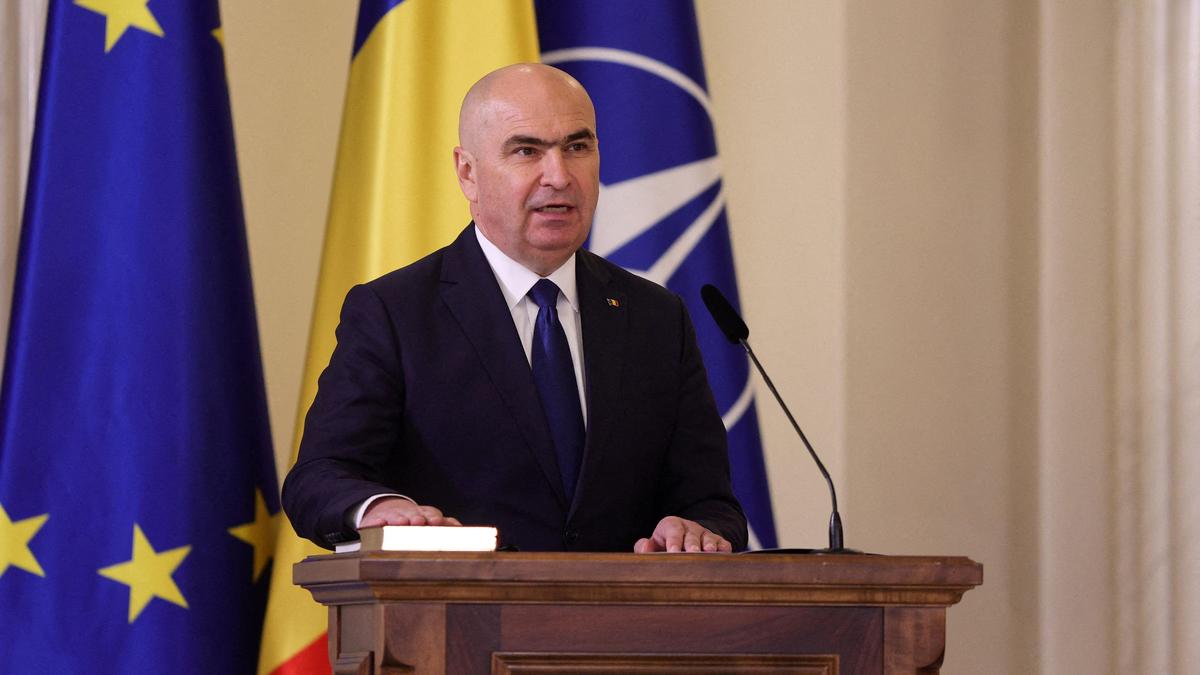
Romania's Social Democrats withdrew from coalition, joining far-right AUR to topple PM Bolojan, risking €10 billion in EU funds by August 2026.

Conflict & Security
Drone Warfare Killing Aid Workers at Unprec
Over 1,000 humanitarian workers killed in three years as cheap armed drones collapse legal protections. Gaza, Sudan, Ukraine, and DRC see deliberate targeting of aid convoys and hospitals with zero prosecutions.
Global
World Normalises Taliban as Afghan Women Eras
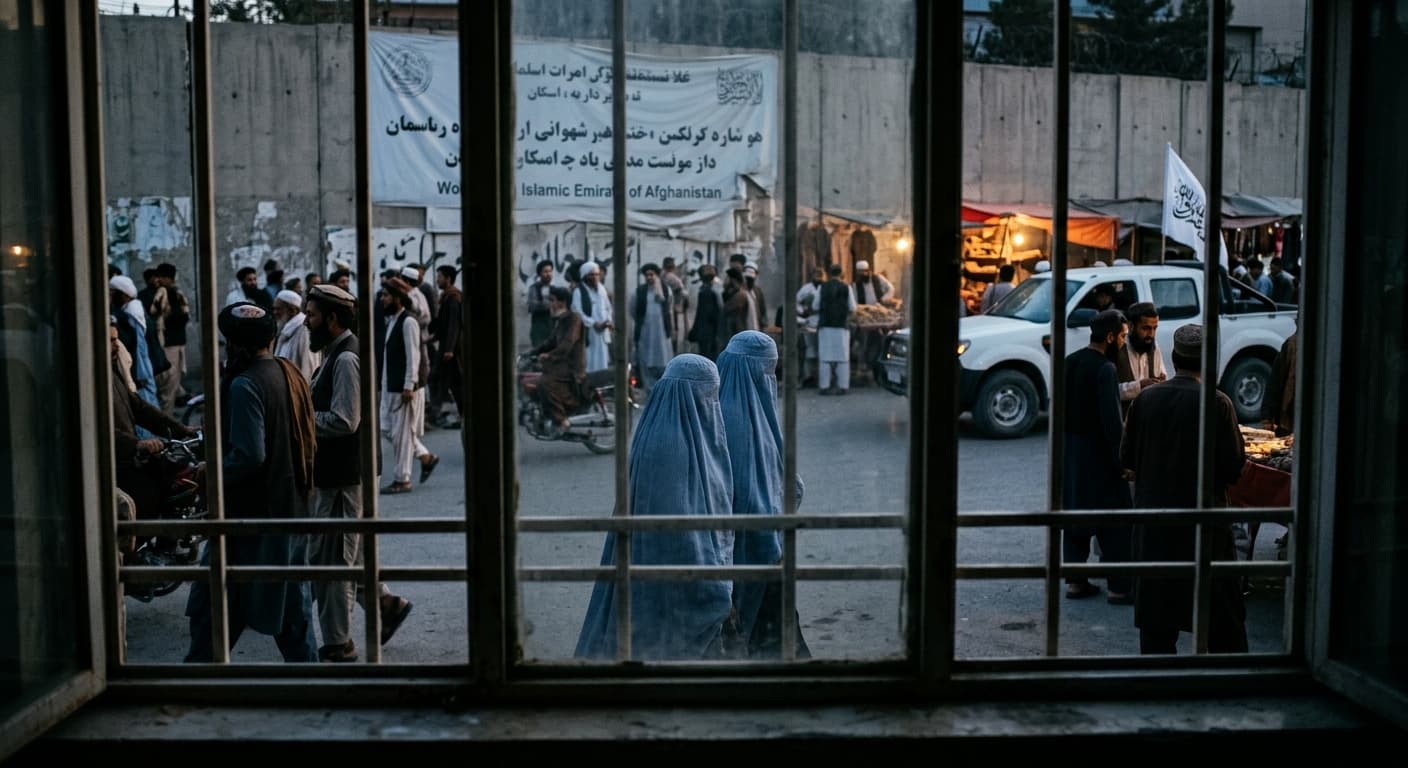
UN data shows Afghan women erased from public life as Russia recognises the Taliban, EU hosts officials in Brussels, and ICC warrants for gender persecution go unenforced.