Iran's World Cup Visa Dilemma
Team Melli's last-minute passport submission in Turkey
Model Diplomat3 min readMiddle East
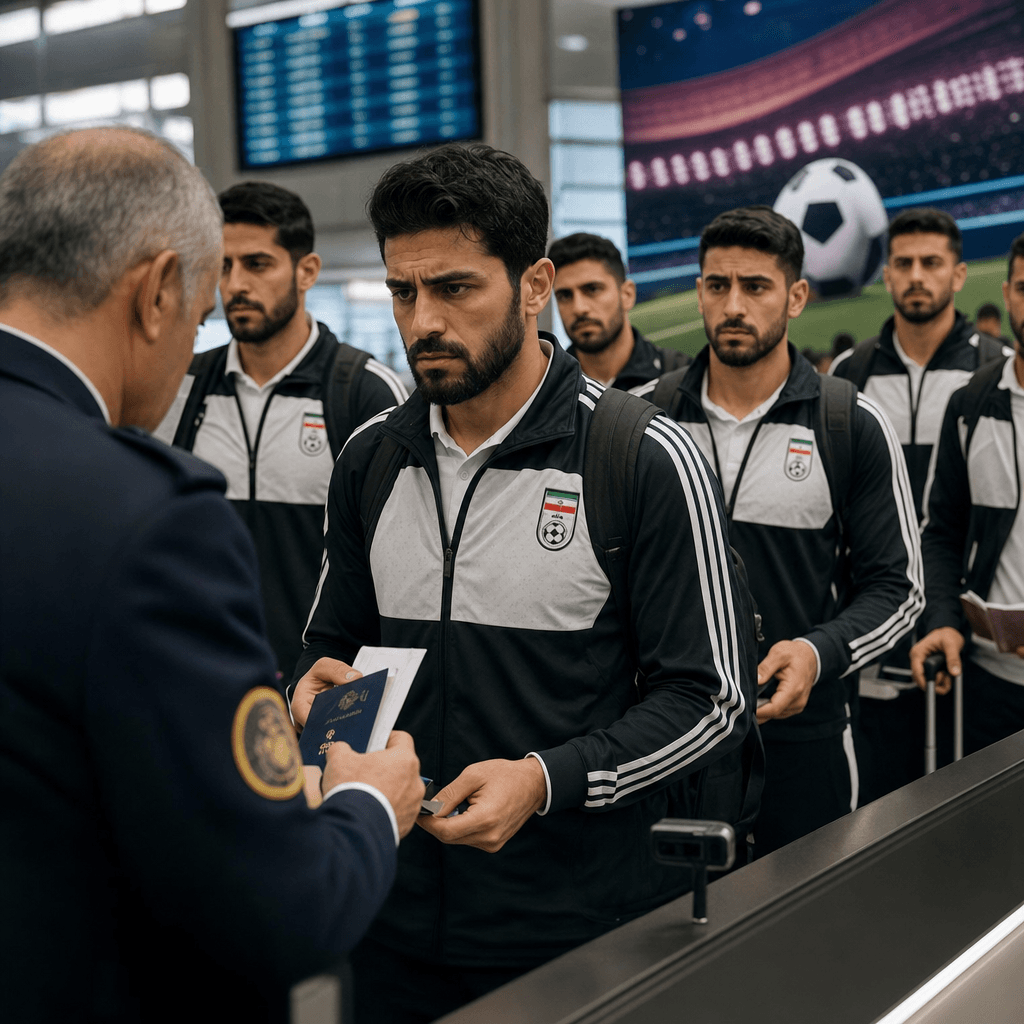
Iran Hands Over Passports in Last-Ditch World Cup Visa Bid
Team Melli submits its passports in Ankara as geopolitical tensions and IRGC security screenings threaten to derail Iran's World Cup campaign.
On June 5, 2026, members of the Iranian national football team handed their passports to the United States embassy in Turkey in a tense, final-hour attempt to secure entry visas for the upcoming World Cup, according to Al Jazeera. With the tournament kicking off on June 11, the Islamic Republic of Iran Football Federation (FFIRI) is racing against a ticking clock. The squad is scheduled to depart for their alternative base camp in Tijuana, Mexico, on Saturday, despite having no American entry visas in hand to guarantee they can play their matches across the border.
The Geopolitical Standoff on the Pitch
The geopolitical fallout of the recent military conflict between the US, Israel, and Iran has directly spilled onto the pitch, turning a sporting event into a high-stakes diplomatic standoff. While FIFA has insisted that Iran will participate, the State Department is under immense pressure to enforce strict counterterrorism screening. Ultimately, Washington holds all the leverage, using visa-control mechanisms to police which Iranian nationals are allowed onto American soil.
This is not merely a bureaucratic delay; it is a direct confrontation over security vetting. US Secretary of State Marco Rubio told lawmakers that Washington would not allow individuals with links to the Islamic Revolutionary Guard Corps (IRGC) to "embed" themselves within the World Cup delegation, as reported by BBC Sport. Because military service is compulsory in Iran, several players and support staff have historic ties to the IRGC. The Iranian federation previously saw its delegation turned back in April at a Canadian airport over IRGC links, prompting FFIRI President Mehdi Taj to demand explicit guarantees from FIFA that Washington would not "insult" their military institutions, as detailed by
Al Jazeera. The IRGC screening remains the primary obstacle to the players' approval.
Border-Crossing Logistics and the Threat of Boycott
To mitigate the risk of being stranded, the team relocated its planned training base from Tucson, Arizona, to Tijuana, Mexico. According to BBC Sport, this lets the team train in Mexico and fly into California just before their scheduled matches. However, Taj has warned that the squad needs multiple-entry visas to repeatedly cross the US-Mexico border for its Group G games against New Zealand, Belgium, and Egypt. If Washington denies visas to key coaching staff or players, the Iranian federation has threatened to withdraw from the tournament entirely, a move that would throw Group G into chaos.
What to Watch Next
The next critical decision point is Saturday, June 6, 2026, when the Iranian squad is scheduled to land in Tijuana. In the coming days, the US State Department must decide whether to issue selective denials or grant a blanket waiver. Any targeted visa denials will force FIFA into a corner, caught between US federal law and its own non-discrimination bylaws in the broader arena of Global Politics.
Discover more
Global
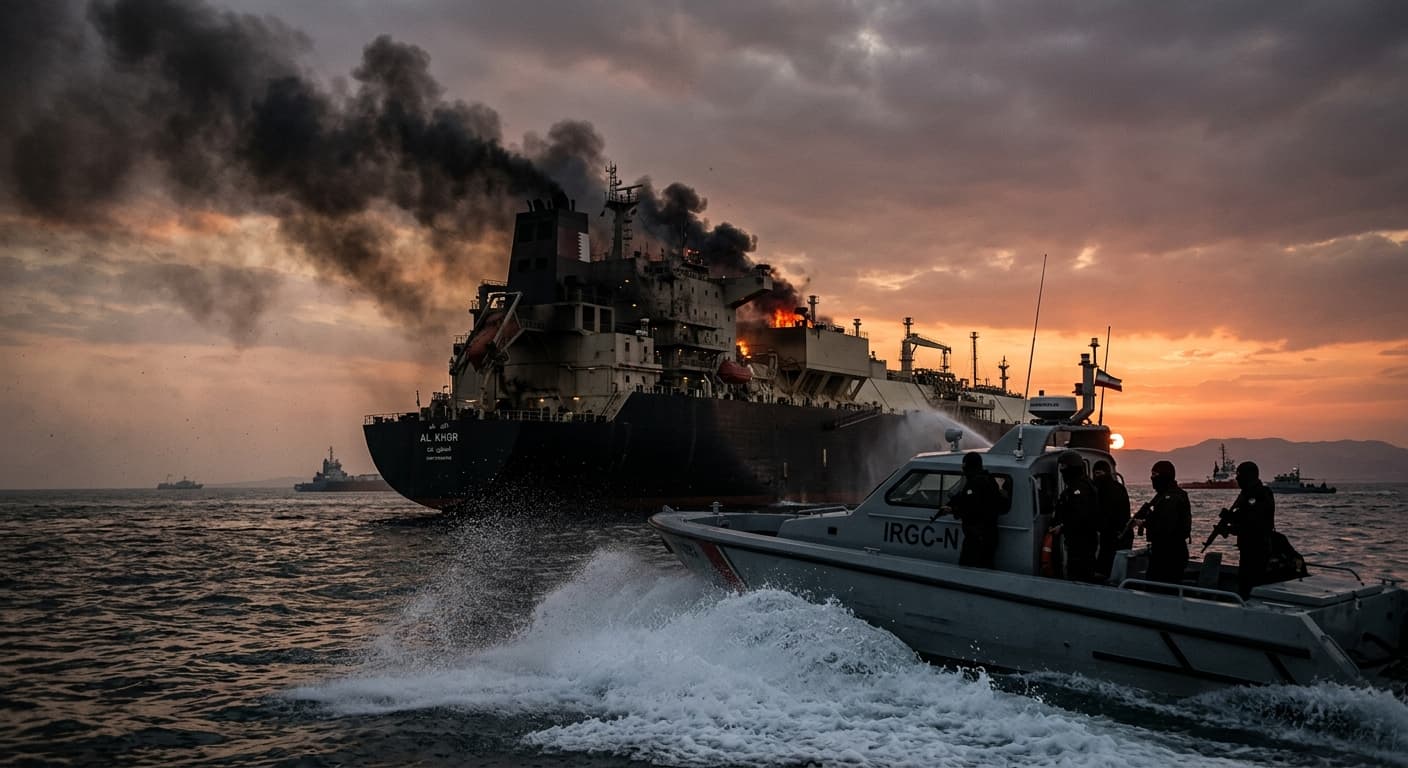
Qatari Tanker Strike Exposes Hormuz Tensions
A Qatari tanker was struck off Oman, revealing the fragility of the Hormuz ceasefire and Iran's influence over maritime security.
Global
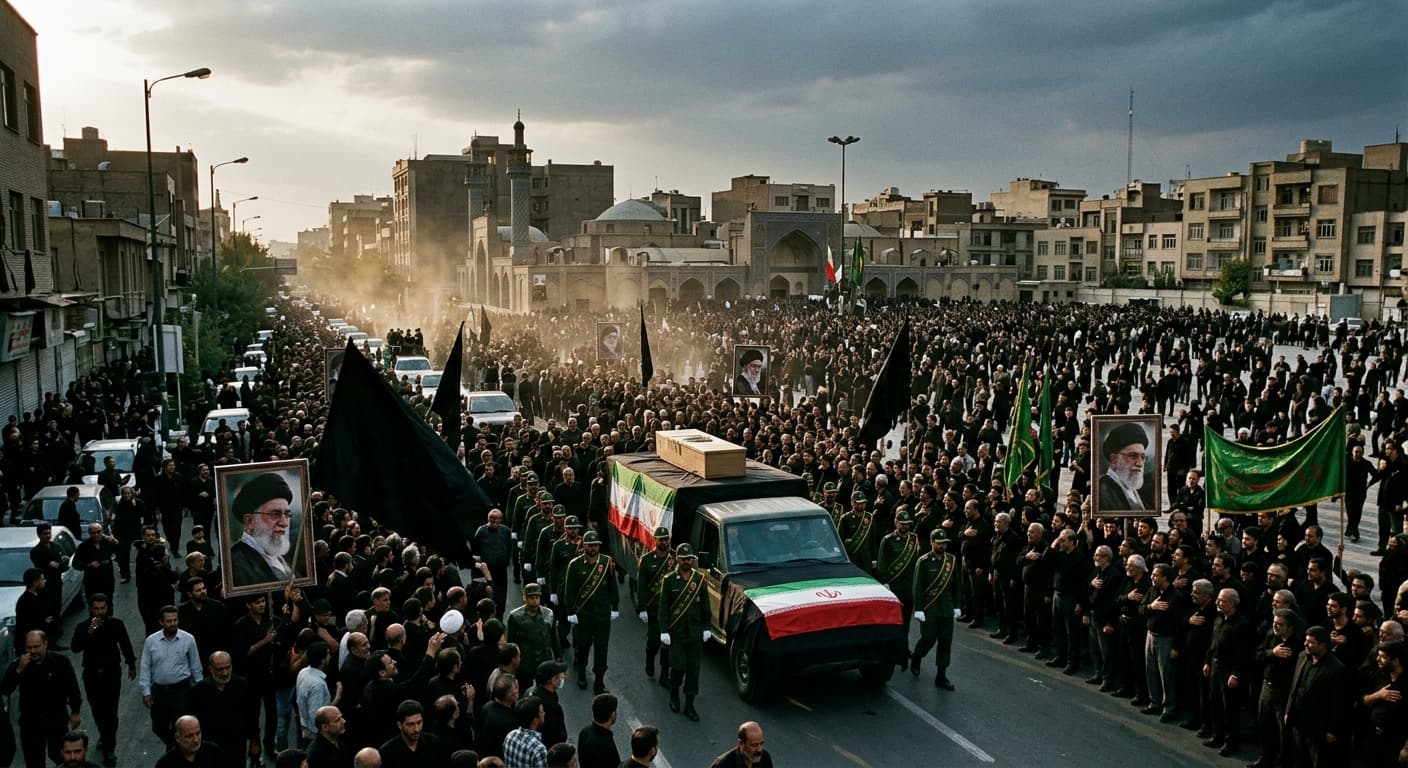
Khamenei's Funeral Signals Iran's Decline
The funeral of Ayatollah Khamenei highlights Iran's diminished influence in the Gulf, with regional powers now dictating terms.
Global
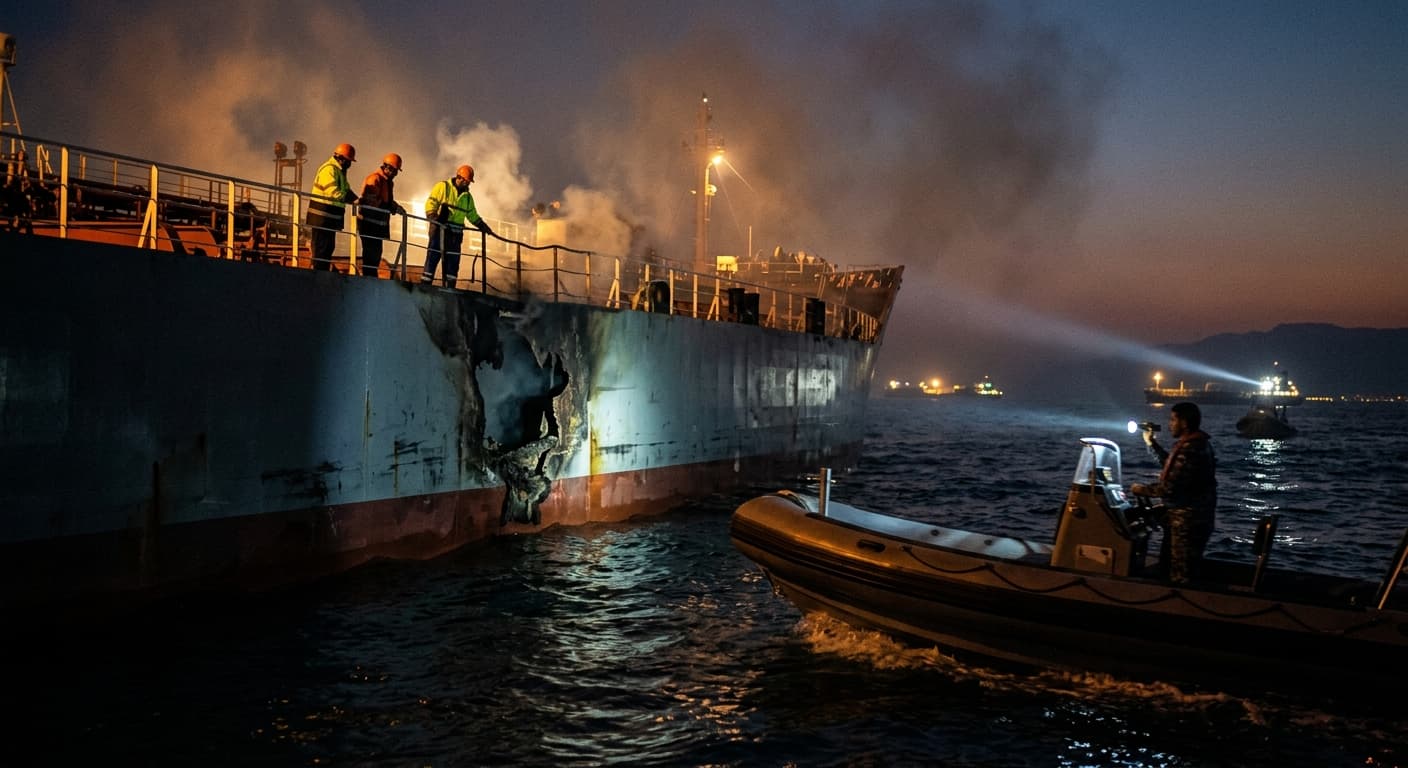
Iran's Hormuz Missile Strikes: A Toll Booth
Iran's missile attack on a Qatari-linked tanker highlights Tehran's strategy to control the Strait of Hormuz, impacting Gulf states and maritime law.
Tech Policy
Iran's Cavern Manticore Targets Israel's IT
Cavern Manticore, an Iran-linked hacking group, targets Israeli IT vendors, prompting a shift in Israel's cybersecurity policy and legislative efforts.