Iran’s Hormuz Deal Hinges on Leverage, Not T
Tehran may accept a truce, but trust is lacking.
Model Diplomat3 min readMiddle East
Iran’s Hormuz Deal Hinges on Leverage, Not Trust
Tehran may accept a narrow truce framework, but US strikes, sanctions, and hardline resistance make any accord a pause—not a settlement.
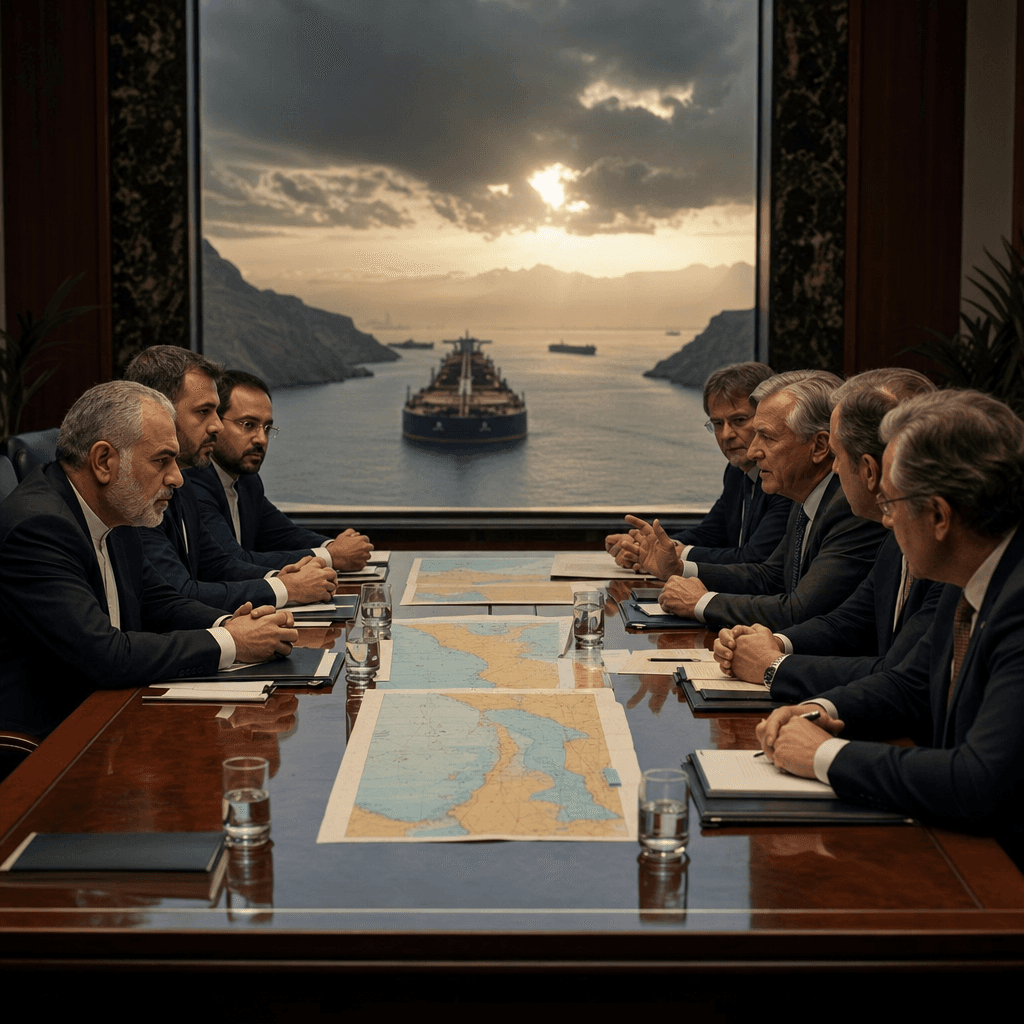
Iran and the United States are still negotiating through Qatar, but the power balance is already clear: Washington is using force and sanctions to shape the terms, while Tehran is trying to trade Hormuz pressure for relief. Iran’s foreign ministry said US strikes on Hormozgan were a “blatant violation” of the shaky ceasefire, even as Secretary of State Marco Rubio said a deal was still possible “within days” and that the Strait of Hormuz “has to be open” (Al Jazeera;
Reuters).
What Tehran is actually weighing
The draft on the table is not a peace treaty. It is a management mechanism: a memorandum that would let Iran regain access to some frozen funds, ease sanctions, and potentially reopen shipping through Hormuz in return for a framework on the nuclear file, according to reporting relayed by Reuters and Al Jazeera (Reuters;
Al Jazeera). That sequencing matters. Tehran wants immediate, visible relief; Washington wants Iran’s leverage stripped first. If the strait is reopened too early, Iran gives up its main bargaining chip. If sanctions relief comes too late, hardliners will call the deal a trap.
That is why the discussion has shifted from “should we negotiate?” to “what exactly are we giving up?” as one Middle East analyst told Al Jazeera (Al Jazeera). The same logic explains Washington’s posture: Rubio and President Donald Trump are signaling that the US can keep pressure on Iran’s ports and shipping lanes while still leaving the door open to talks (
Reuters).
Who benefits from a narrow deal
A limited framework would serve both governments tactically. Trump would be able to claim he forced concessions on Hormuz and uranium without conceding a broad settlement. Iran would get sanctions relief, foreign-currency access, and a way to argue that it preserved sovereignty while avoiding a larger war (Reuters;
Al Jazeera). But the real constraint is domestic. Iranian hardliners are already warning against concessions, and an IRGC-linked pundit on state television said negotiating with the enemy is “pure loss” (
Al Jazeera). That tells you the leadership is not only bargaining with Washington; it is bargaining with its own security establishment.
For the wider market, even a partial accord would be meaningful. Traffic through Hormuz has collapsed since the war began, and the longer the uncertainty lasts, the more it bleeds into oil, freight, and food costs (Reuters). That is why the issue now sits squarely on
Conflict: this is not just a battlefield question, but a choke-point negotiation.
What to watch next
Watch the next few days in Doha, and watch for one question above all: does Iran accept a framework that opens Hormuz before the nuclear file is settled, or does it insist on sanctions relief first? If Tehran says yes, the real fight shifts to sequencing and verification. If it says no, the ceasefire becomes little more than a pause between strikes.
Discover more
Global
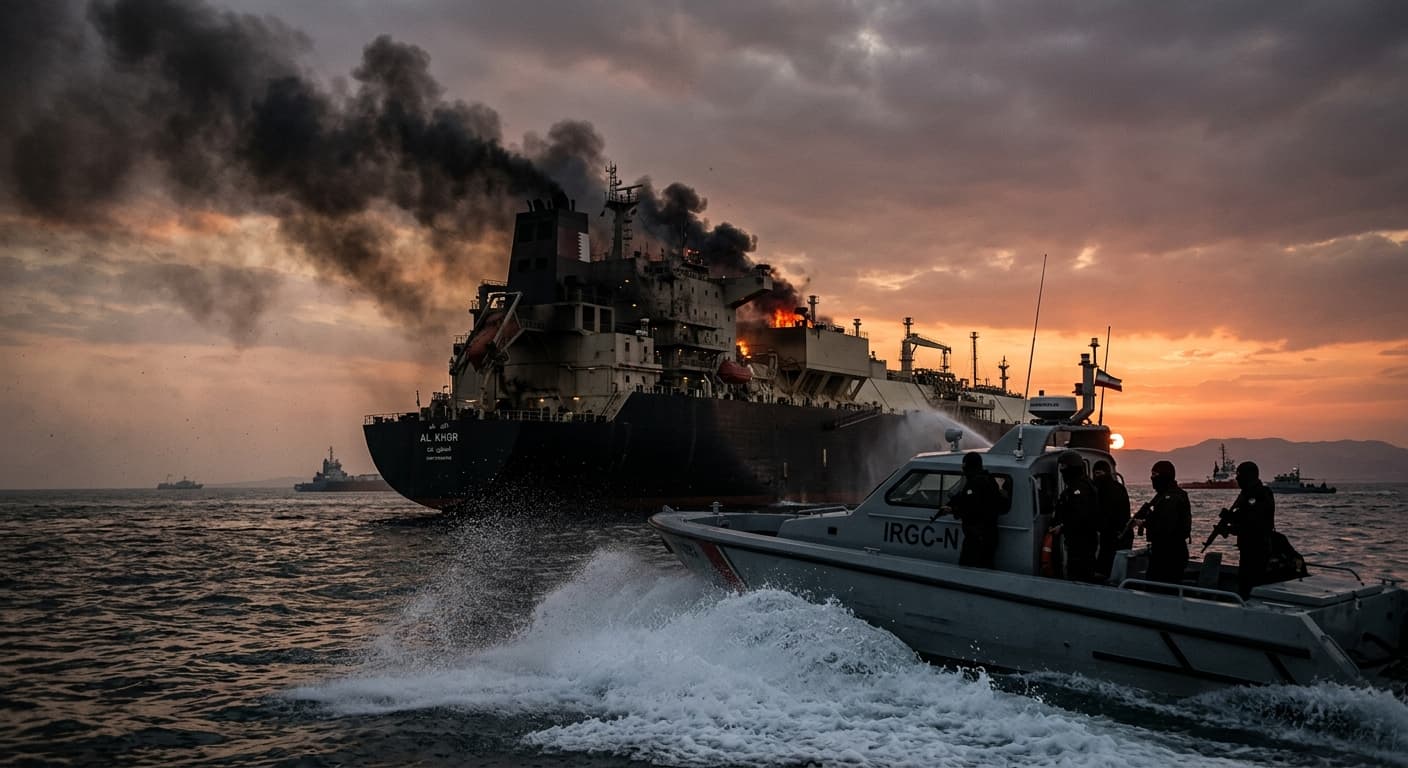
Qatari Tanker Strike Exposes Hormuz Tensions
A Qatari tanker was struck off Oman, revealing the fragility of the Hormuz ceasefire and Iran's influence over maritime security.
Global
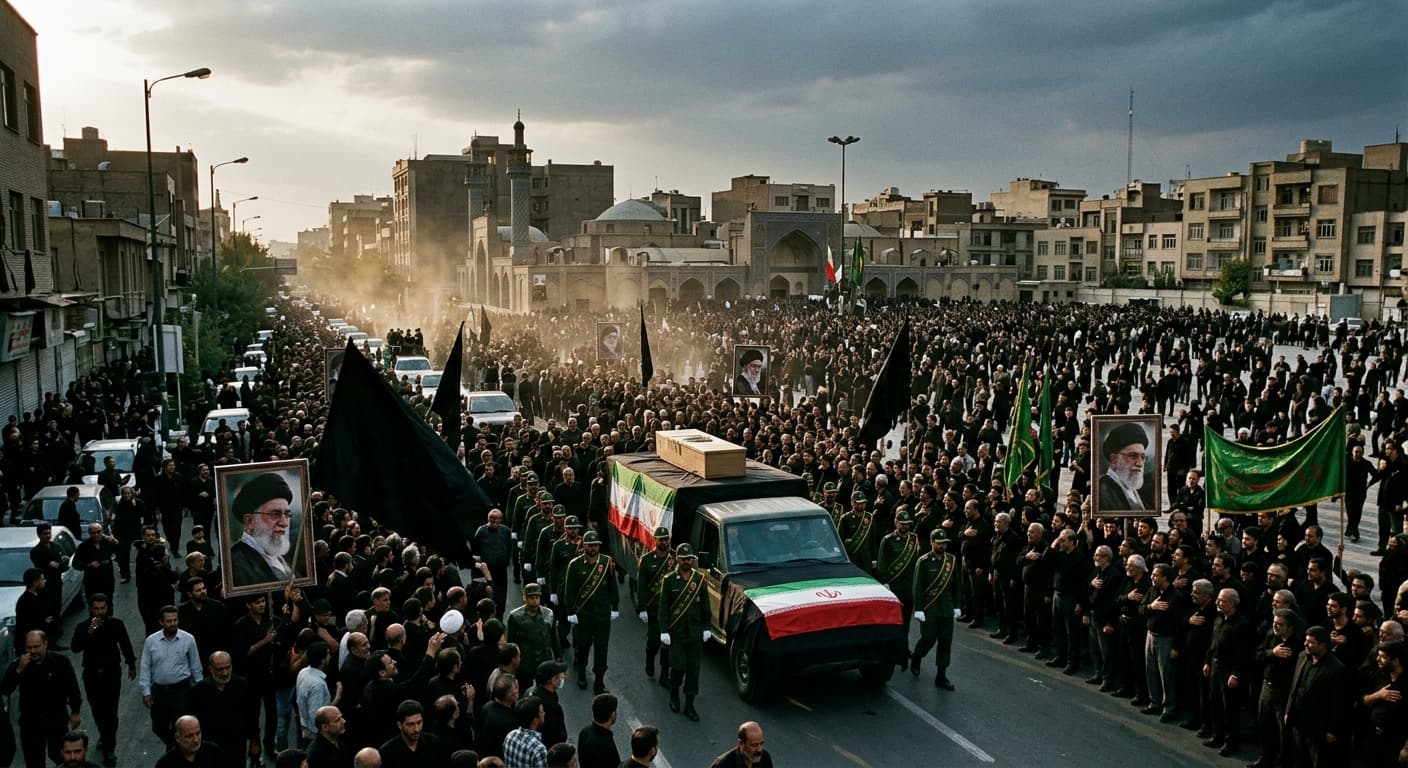
Khamenei's Funeral Signals Iran's Decline
The funeral of Ayatollah Khamenei highlights Iran's diminished influence in the Gulf, with regional powers now dictating terms.
Global
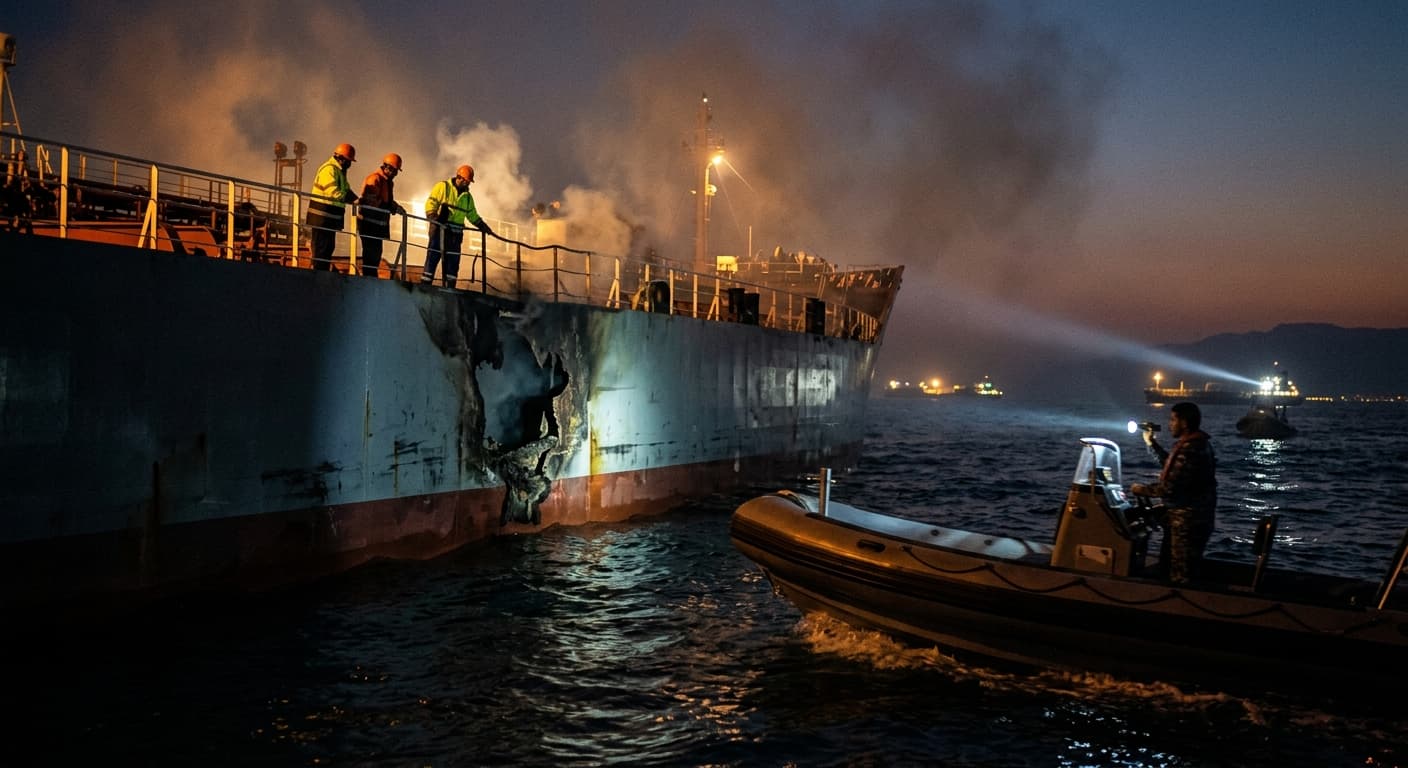
Iran's Hormuz Missile Strikes: A Toll Booth
Iran's missile attack on a Qatari-linked tanker highlights Tehran's strategy to control the Strait of Hormuz, impacting Gulf states and maritime law.

Tech Policy
Iran's Cavern Manticore Targets Israel's IT
Cavern Manticore, an Iran-linked hacking group, targets Israeli IT vendors, prompting a shift in Israel's cybersecurity policy and legislative efforts.