Iran’s Hormuz Control Distorts Oil Markets
Tehran's influence over Hormuz impacts global shipping and prices.
Model Diplomat3 min readMiddle East
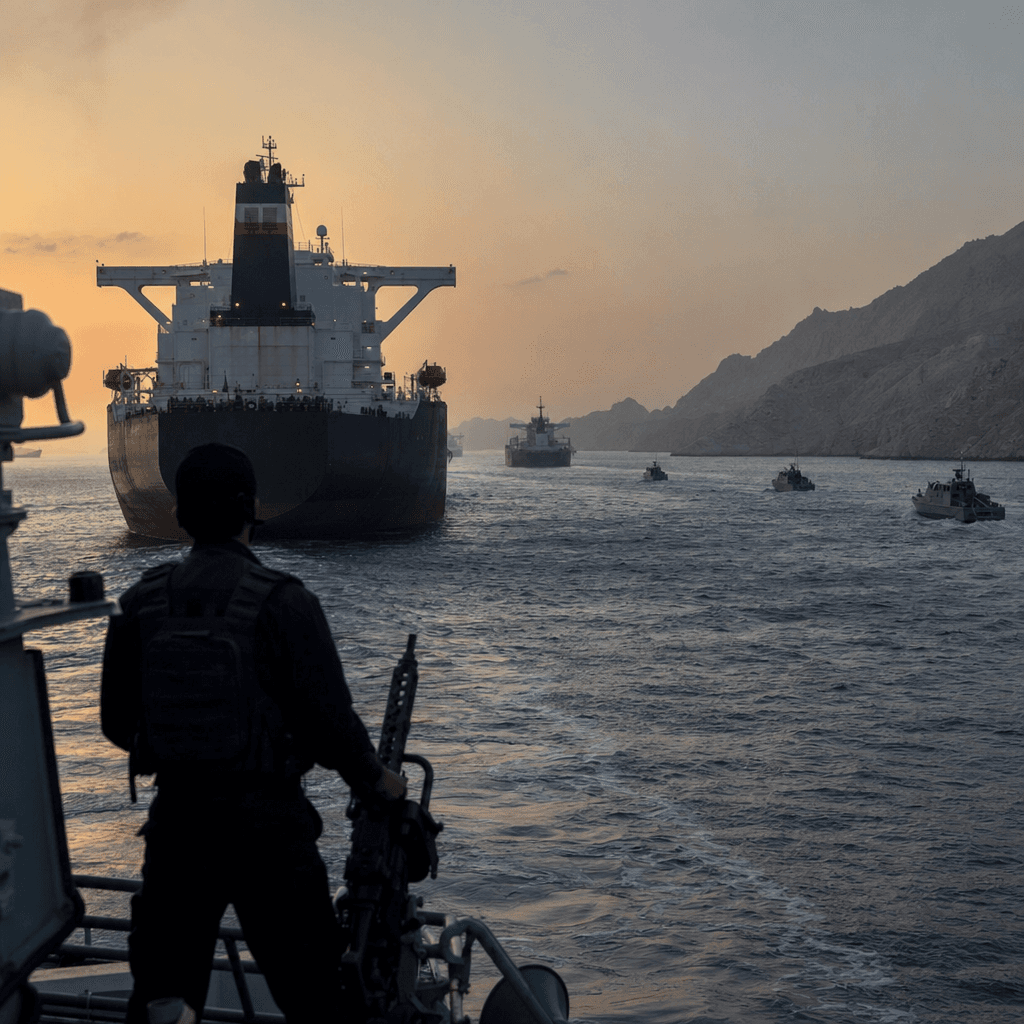
Iran’s Hormuz Squeeze Is Rewiring Oil and Shipping
Three months into the Iran crisis, Tehran’s leverage over Hormuz is still distorting freight, exports and inflation — even as markets adapt around it.
Iran’s biggest source of leverage is not battlefield gain but chokepoint control: ship traffic through the Strait of Hormuz remains far below pre-crisis levels, and Middle East crude exports have fallen to historic lows, according to Reuters. That is the power dynamic now. Tehran is not trying to win a quick military result so much as to keep energy flows uncertain enough to force concessions — and to make every negotiating channel run through the risk premium it has created.
Tehran is monetizing uncertainty
The clearest sign that Iran sees the strait as bargaining leverage is its push to formalize control over transit. Al Jazeera reported that Iran’s Supreme National Security Council set up a Persian Gulf Strait Authority to manage the passage and provide real-time updates, while also floating insurance products and security fees for ships crossing Hormuz. That matters because it turns disruption into an administrative tool: instead of simply blocking traffic, Iran is trying to regulate it, price it and condition it on political terms.
Reuters reported a similar dynamic on May 27, citing Iranian state TV that a framework deal could restore shipping to pre-war levels within a month if terms with Washington are met, though reopening Hormuz remained a sticking point (Reuters). The message from Tehran is consistent: access is negotiable, but only on Iranian terms.
The market is adjusting, but not healing
The damage is already baked into global energy logistics. Reuters says monthly crude exports from the Middle East have dropped from about 75 million metric tons before the crisis to roughly 36 million since March, while shipping costs for oil, fuels and LNG have surged (Reuters). Some freight rates have eased on routes from the United States as tanker capacity has moved away from the Gulf, but that is not a return to normal. It is rerouting under duress.
That shift creates winners. Non-Gulf suppliers with spare barrels — especially the United States, and increasingly Brazil in Asian markets — gain pricing power and market share as buyers seek politically safer crude. Losers are the classic Hormuz-dependent players: Gulf exporters, refiners that rely on cheap regional feedstock, and importers that now face both higher commodity costs and higher freight charges. This is why the shock is inflationary even when oil prices soften: the system is paying more to move less.
What to watch next
The next decision point is whether Iran and Washington can turn the current ceasefire-plus-talks into a durable arrangement that restores regular traffic. If the strait remains constrained, existing stockpiles will keep drawing down and freight will stay elevated — a combination that will hit Europe and Asia first, then consumer inflation more broadly. Watch for three markers: any formal agreement on Hormuz transit, any visible rise in vessel counts through the strait, and whether shipping insurance costs fall enough to bring tankers back. Until then, the leverage belongs to the side that can make the route unreliable: Iran.
Discover more

Global Politics
US Seizes Iranian Ship, Tensions Surge
The US seizure of the Iranian ship Touska highlights a shift in control over the Strait of Hormuz, favoring Iran's strategic position.

Conflict & Security
Drone Warfare Killing Aid Workers at Unprec
Over 1,000 humanitarian workers killed in three years as cheap armed drones collapse legal protections. Gaza, Sudan, Ukraine, and DRC see deliberate targeting of aid convoys and hospitals with zero prosecutions.

Global
World Normalises Taliban as Afghan Women Eras
UN data shows Afghan women erased from public life as Russia recognises the Taliban, EU hosts officials in Brussels, and ICC warrants for gender persecution go unenforced.
Conflict & Security
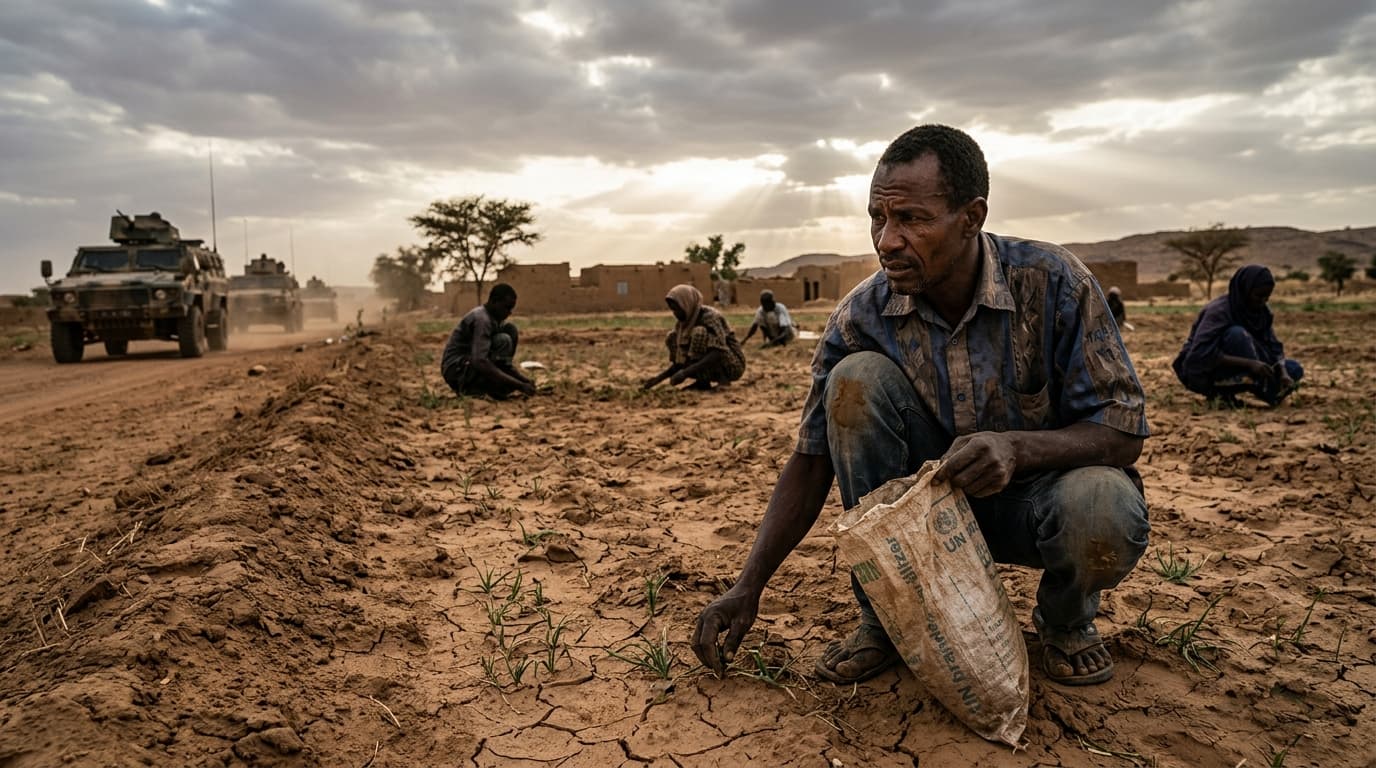
West Africa Food Crisis: Three Shocks in 2026
Conflict, climate extremes, and the Strait of Hormuz closure drive a severe food crisis in West and Central Africa, with fertilizer prices surging 80% and millions displaced.