Iran's $300B Windfall Splits Washington in
Trump's reconstruction pledge ignites dispute over war spoils
Model Diplomat3 min readNorth America
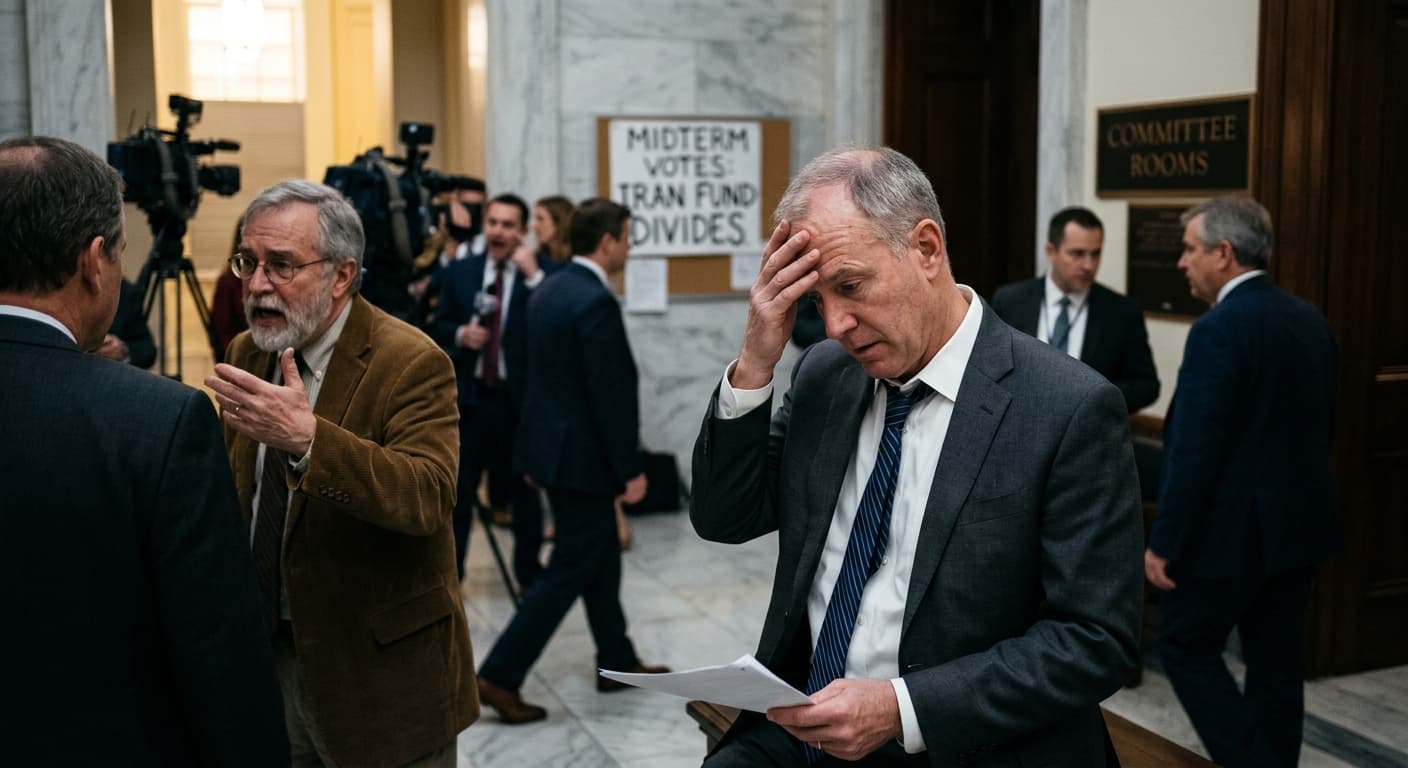
Iran's $300B Windfall Splits Washington in Two
Trump's reconstruction pledge ignites dispute over war spoils amid midterm season
The MoU signed by President Trump and Iranian President Masoud Pezeshkian on Wednesday now faces a domestic credibility crisis. The provision pledging $300 billion for Iran's reconstruction has fractured Congress along and across the usual party lines, with Trump battling both leftist Democrats and a handful of Iran hawks within his own party over who pays, who benefits, and what the fund says about the war's terms.
The underlying agreement—a 14-point memorandum extending a ceasefire and reopening the Strait of Hormuz—clears urgent economic terrain. But the reconstruction clause converts that win into a liability. Trump and Vice President JD Vance moved quickly to clarify that no US taxpayer money will fund the initiative, asserting instead that regional Arab states and other international investors will finance it. Yet
the fund remains undefined in implementation—no source commitments in writing, no conditions, no timeline—leaving precisely the political opening Democrats and dissident Republicans needed.
Senator Amy Klobuchar framed the choice in domestic terms: "With $300 billion, we could end homelessness, fund cancer research for 40 years, and give every child free pre-K for over 7 years." Senate Majority Leader Chuck Schumer went harder, declaring that
Democrats will not assist Trump in sending the money to Iran. The message, timed for midterm season, is that Trump chose Tehran over American families—a framing that turns economic populism into foreign policy messaging.
The Republican crack is narrower but sharper. Senator Roger Wicker, a Trump ally and Iran hawk, invoked the specter of the 2015 nuclear deal: the $300 billion fund would make Obama's agreement "look like a pittance by comparison." Former Vice President Mike Pence went further,
calling the MoU "appeasement" and arguing the US should have pursued nuclear dismantlement or sustained military pressure. For these critics, the reconstruction pledge signals strategic defeat dressed as statesmanship.
Trump's defense pivots on the fund's distance from the federal budget. Vance suggested it could be financed through Gulf state investment, conditional on Iranian compliance.
Trump added that Gulf countries and outside investors could contribute freely, framing the pledge as leverage over Iran's behavior rather than a gift. But the MoU commits Washington to "undertake with regional partners to develop" the plan—language that implies US diplomatic obligation even if not financial one.
Why This Matters
The reconstruction fund issue is not really about the fund. It is a proxy for whether the war's outcome favors Iran or constrains it. The MoU defers the hardest decisions—Iran's uranium stockpile, enrichment levels, ballistic missiles—to 60 days of negotiation with no guarantee of resolution. That delay alone suggests Trump purchased a ceasefire, not a settlement. The $300 billion signals that this is a buyer's market: Iran, having closed the Strait of Hormuz and drawn the US into war, extracted a reconstruction sweetener. Democrats and Republican dissidents read that correctly and are saying so ahead of November elections.
What to Watch
The 60-day negotiation window opens Friday in Geneva, with nuclear stockpile disposition as the first friction point. If those talks collapse—the most likely scenario analysts are pricing in—the reconstruction fund pledge evaporates with them, and Trump will need to explain to voters why the war produced neither Iran's capitulation nor lasting peace. If the talks advance, watch whether Gulf states actually commit in writing to fund the $300 billion, or whether the pledge remains a rhetorical placeholder that Trump can rescind without domestic political cost.
Discover more
Global
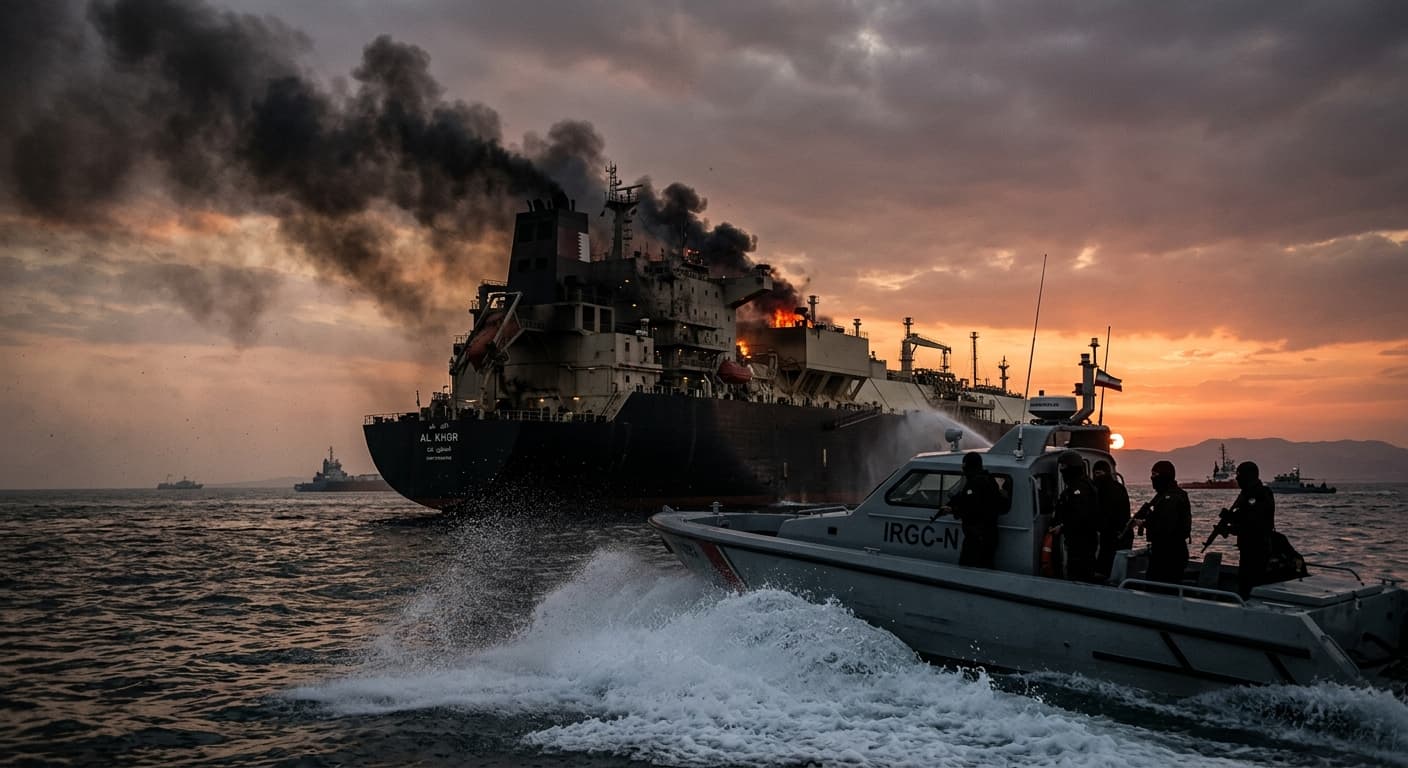
Qatari Tanker Strike Exposes Hormuz Tensions
A Qatari tanker was struck off Oman, revealing the fragility of the Hormuz ceasefire and Iran's influence over maritime security.
Global
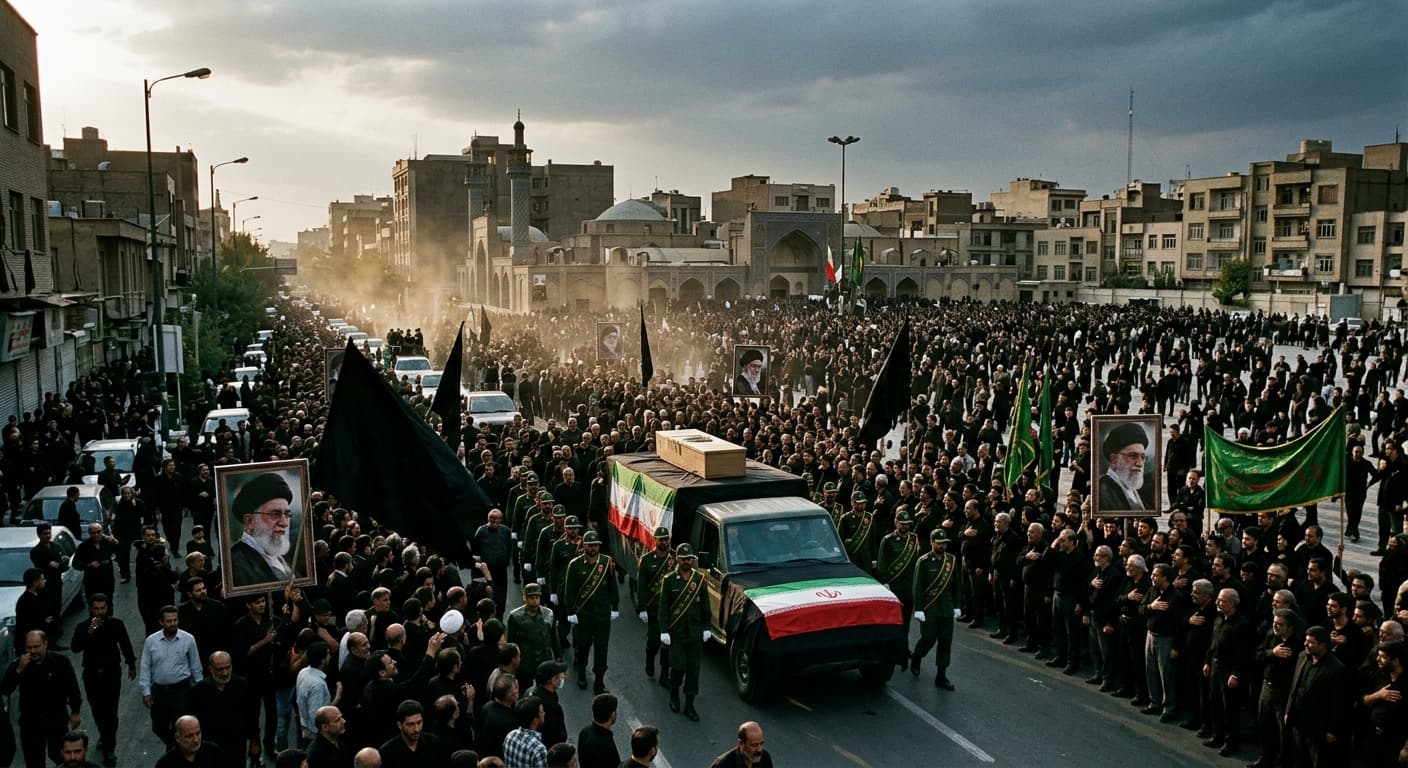
Khamenei's Funeral Signals Iran's Decline
The funeral of Ayatollah Khamenei highlights Iran's diminished influence in the Gulf, with regional powers now dictating terms.
Global
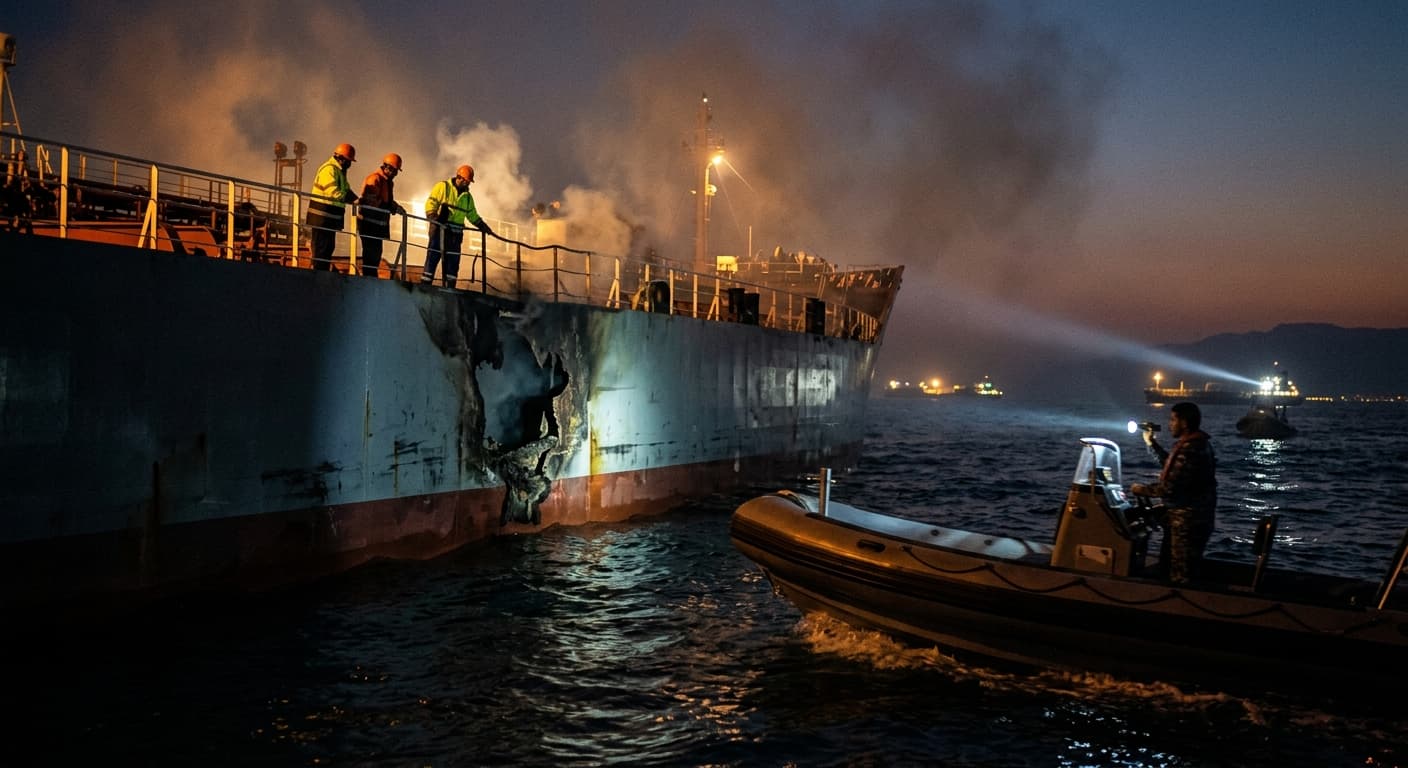
Iran's Hormuz Missile Strikes: A Toll Booth
Iran's missile attack on a Qatari-linked tanker highlights Tehran's strategy to control the Strait of Hormuz, impacting Gulf states and maritime law.
Tech Policy
Iran's Cavern Manticore Targets Israel's IT
Cavern Manticore, an Iran-linked hacking group, targets Israeli IT vendors, prompting a shift in Israel's cybersecurity policy and legislative efforts.