Iran's 14-Point Proposal vs Trump's Peace Dem
Tehran seeks leverage in negotiations with the US over war and sanctions.
Model Diplomat3 min readMiddle East

Iran’s 14-Point Offer Tests Trump’s Terms for Peace
Tehran is using Hormuz and sanctions relief as leverage to stop the war first and defer the nuclear file. Trump wants the reverse.
Iran is trying to change the order of negotiation. Its new 14-point proposal seeks guarantees of nonaggression, a US military pullback from Iran’s vicinity, an end to the naval blockade, the release of frozen Iranian assets, wider sanctions relief, and a halt to fighting on all fronts, including Lebanon — while pushing any renewed nuclear talks to a later stage and claiming the package could be settled within 30 days. What’s Iran’s 14-point proposal to end the war? And will Trump accept it?
Iran war: What’s happening on day 65 as Trump reviews new plan to end war?
That sequencing is the point. Tehran wants war termination and economic relief before it bargains over enrichment. Washington wants the nuclear issue inside the first deal, not the second. That is why the proposal is better read as a pressure move than a near-term settlement framework. Iran offers to reopen Strait of Hormuz if US lifts blockade
US, Iran clash at UN after Tehran gets nuclear non-proliferation role
Why Tehran thinks this gives it leverage
Iran’s strongest card is not trust; it is disruption. The proposal centers on reopening the Strait of Hormuz, through which about 20% of globally traded oil and gas moves, if the US lifts its blockade and the war ends. That gives Tehran a way to align its interests with those of Gulf exporters, Asian importers, shippers, and insurers that want traffic normalized fast. Iran offers to reopen Strait of Hormuz if US lifts blockade
This is now a Global Politics crisis as much as a battlefield one: Iran is offering de-escalation on shipping and fighting, but only if the US accepts that nuclear diplomacy can wait. That benefits Tehran, which gets breathing room, and potentially regional energy producers, which get a path to calmer markets. It disadvantages Israel, because a ceasefire-first model would narrow military freedom before the nuclear file is resolved.
What’s in Iran’s latest proposal – and how has the US responded?
Iran war: What’s happening on day 65 as Trump reviews new plan to end war?
Why Trump is resisting
Trump has already signaled no. AP reported he rejected the latest proposal as insufficient, while Al Jazeera reported he has treated postponing nuclear talks as a red line. Trump rejects Iran's latest proposal to end war with US
Iran war: What’s happening on day 65 as Trump reviews new plan to end war?
The White House also has a domestic timing problem. On May 1, Trump said the Iran war was “terminated” as the War Powers deadline arrived, even as diplomacy and maritime coercion continued. That gives him an incentive to show control without conceding on the core US demand: Iran’s nuclear program must be part of any durable settlement. Trump says Iran war 'terminated,' as war powers deadline arrives
US, Iran clash at UN after Tehran gets nuclear non-proliferation role
What to watch next
Watch sequencing. If Washington counters with a plan that links any Hormuz reopening or ceasefire extension to immediate nuclear constraints, the gap remains wide. If it instead accepts a temporary maritime arrangement, Trump may be looking for a narrower off-ramp. His May 3 plan to escort ships stuck in Hormuz suggests the US is testing a way to restore shipping without granting Iran the sanctions and blockade relief it wants. Iran war live: Trump announces plan to escort ships stuck in Hormuz Strait
The broader International question is simple: will the next US response treat Hormuz as a shipping problem or the price of a larger political deal? That decision — not the 14 points themselves — will determine whether this becomes a negotiation or another failed pause.
Discover more
Global
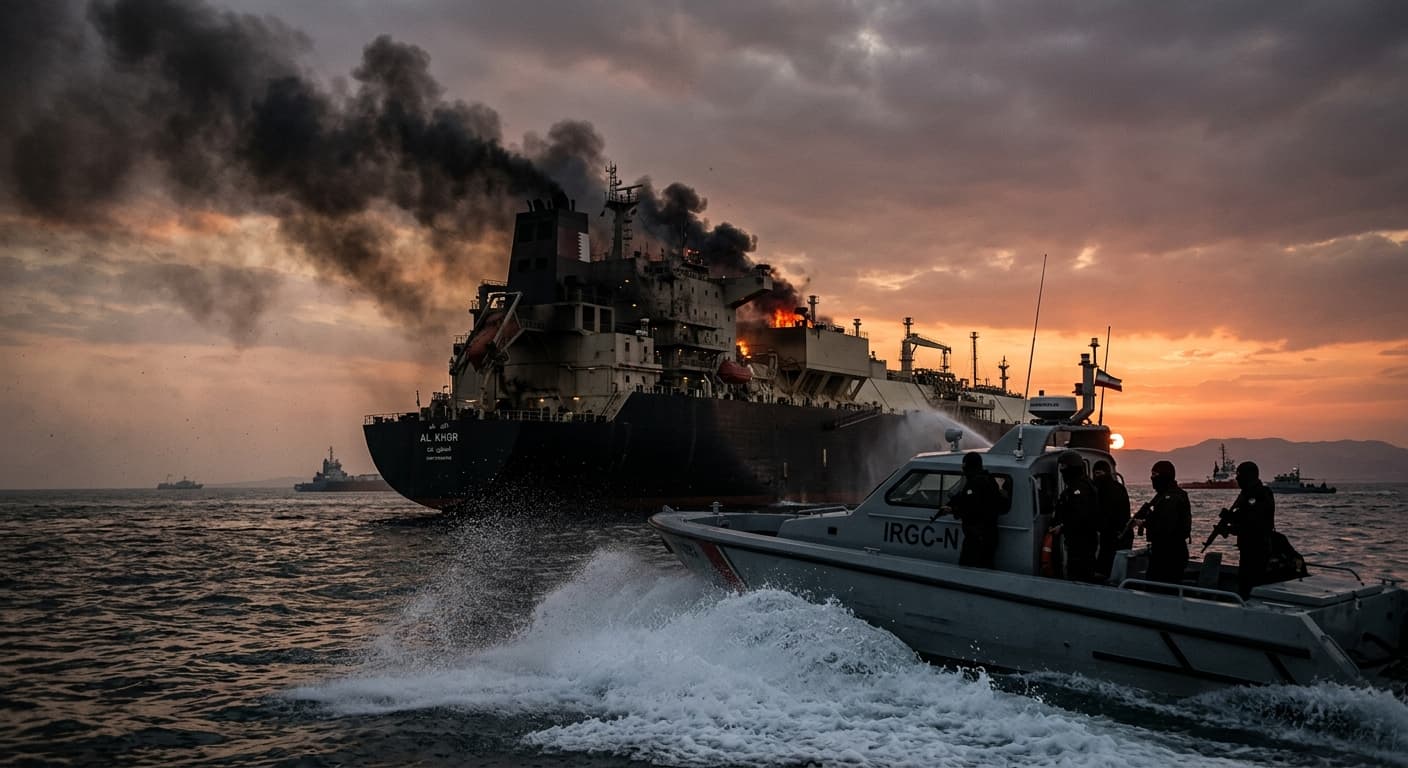
Qatari Tanker Strike Exposes Hormuz Tensions
A Qatari tanker was struck off Oman, revealing the fragility of the Hormuz ceasefire and Iran's influence over maritime security.
Global
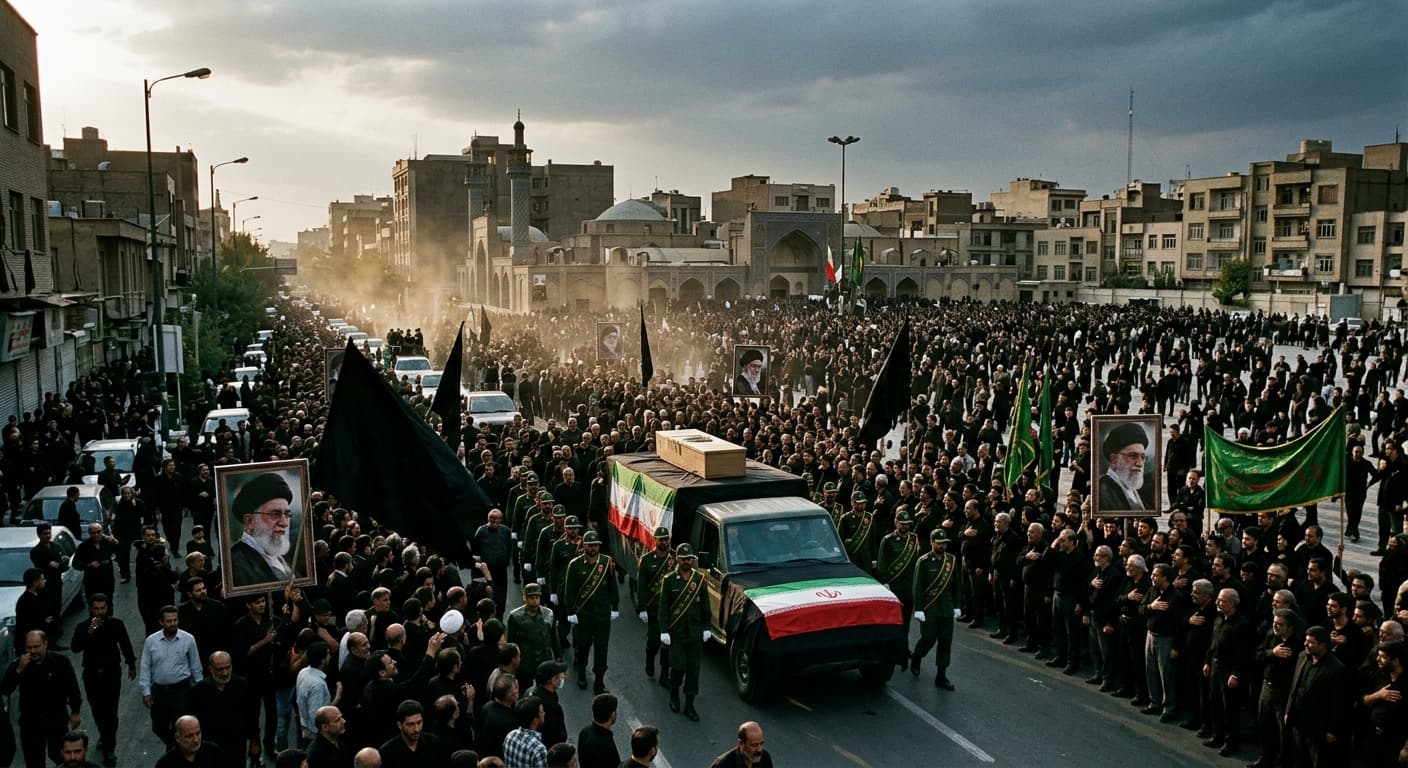
Khamenei's Funeral Signals Iran's Decline
The funeral of Ayatollah Khamenei highlights Iran's diminished influence in the Gulf, with regional powers now dictating terms.
Global
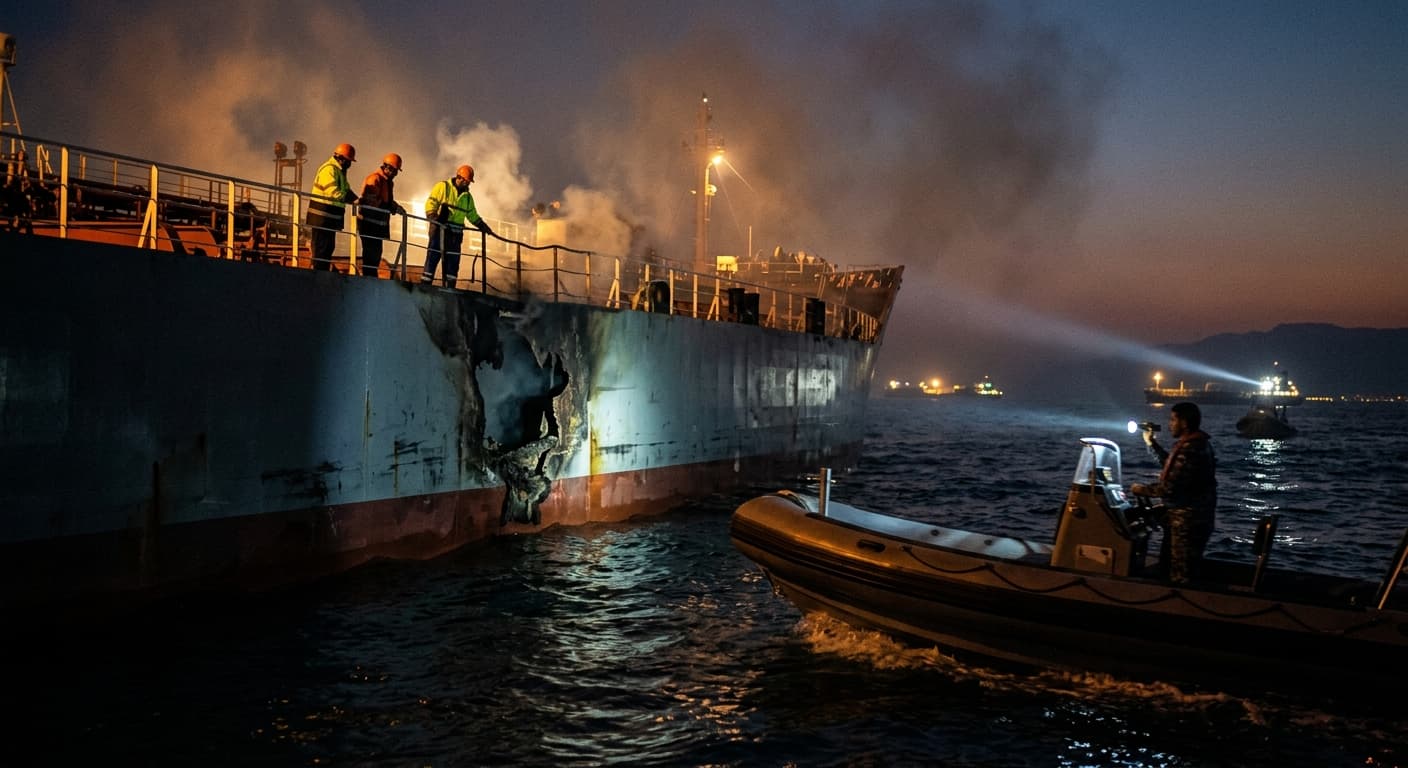
Iran's Hormuz Missile Strikes: A Toll Booth
Iran's missile attack on a Qatari-linked tanker highlights Tehran's strategy to control the Strait of Hormuz, impacting Gulf states and maritime law.

Tech Policy
Iran's Cavern Manticore Targets Israel's IT
Cavern Manticore, an Iran-linked hacking group, targets Israeli IT vendors, prompting a shift in Israel's cybersecurity policy and legislative efforts.