Iran and Trump
Iran uses leverage while Trump rejects new peace terms.
Model Diplomat3 min readMiddle East

Iran Signals War’s Return as Trump Rejects New Terms
Tehran is using ceasefire brinkmanship and Hormuz leverage to force U.S. concessions, while Trump is betting sustained pressure can extract a better deal.
Iran’s military saying the conflict with the United States is “likely” to restart is not just threat inflation; it is bargaining language from the weaker conventional actor that still controls the region’s most dangerous pressure point. According to Al Jazeera’s May 2 live coverage, Iranian military officials said Tehran was fully prepared for renewed U.S. action, while President Donald Trump said there would be no early end to the war and rejected Iran’s latest proposal as asking for terms he “can’t agree to” Al Jazeera live blog
Al Jazeera.
Tehran’s leverage is not battlefield superiority
Iran does not need to defeat the U.S. military to regain leverage. It needs to convince Washington that any renewed campaign will carry higher economic and regional costs than the White House wants to absorb. That is why the ceasefire has become a negotiating instrument, not a settlement. AP reports the three-week ceasefire remains in place but both sides accuse each other of violations, with friction centered on the Strait of Hormuz; Iranian Foreign Minister Abbas Araghchi has also been lobbying Turkey, Egypt, Qatar, Saudi Arabia, Iraq, and Azerbaijan to back Tehran’s proposal AP News.
The historical parallel matters. Reuters reported in March that Iran’s disruption of Hormuz echoes its 1980-88 “Tanker War” playbook, updated with cheaper, more capable missiles and drones Reuters. This matters because Tehran’s best card is no longer proxy deniability; it is the ability to inject immediate risk into shipping, energy prices, and Gulf state security. That wider pattern—coercion through economic chokepoints rather than decisive military victory—fits the broader logic of
Global Politics.
Washington is using legal and military ambiguity
Trump is trying to preserve maximum flexibility. Reuters reported on May 1 that he said the Iran war had “terminated” even as the 60-day War Powers deadline arrived in Washington, while Democrats argued ongoing naval action against Iranian oil exports showed hostilities had not truly ended Reuters. That is a power move as much as a legal one: claim de-escalation for Congress, keep coercive tools active for Tehran.
Who benefits from this ambiguity? The White House keeps pressure on Iran without formally owning a prolonged war. The IRGC and Iranian military establishment avoid looking cornered at home by presenting the ceasefire as temporary and conditional. The losers are the Gulf states and commercial shippers, which are exposed to any renewed contest around Hormuz, and U.S. partners who want a durable reopening of maritime traffic AP News
Reuters.
What to watch next
The next decision point is not rhetoric from Tehran; it is whether Trump accepts any revised Iranian proposal or doubles down on blockade and interdiction. If talks remain routed through Pakistani mediators after the failed Islamabad round, that signals neither side is ready for a formal climbdown Al Jazeera. Watch three indicators: shipping flows through Hormuz, Congressional action on War Powers, and whether U.S. pressure on Iranian exports intensifies. If all three move in the same direction, the ceasefire is not stabilizing the war; it is staging the next round, with the
United States and Iran both trying to restart it on better terms.
Discover more
Global
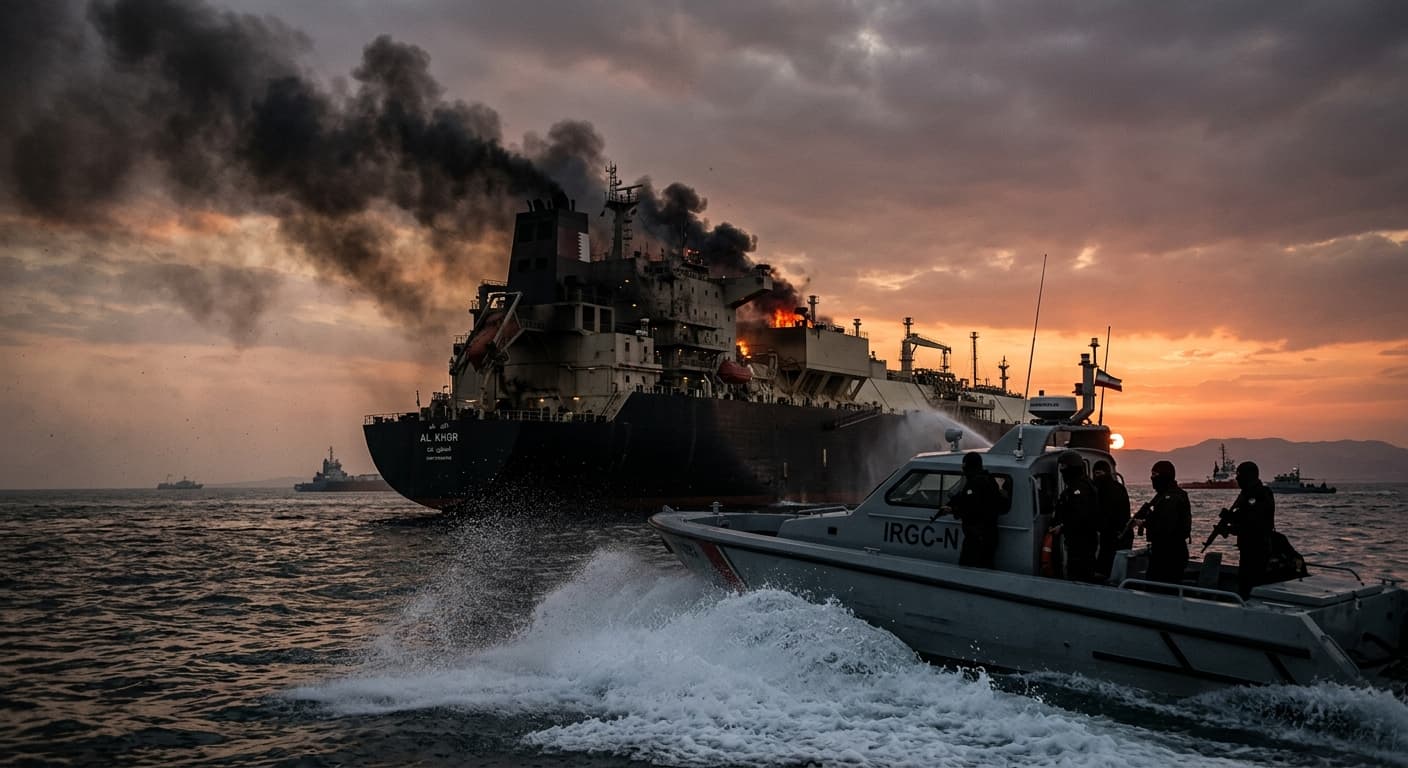
Qatari Tanker Strike Exposes Hormuz Tensions
A Qatari tanker was struck off Oman, revealing the fragility of the Hormuz ceasefire and Iran's influence over maritime security.
Global
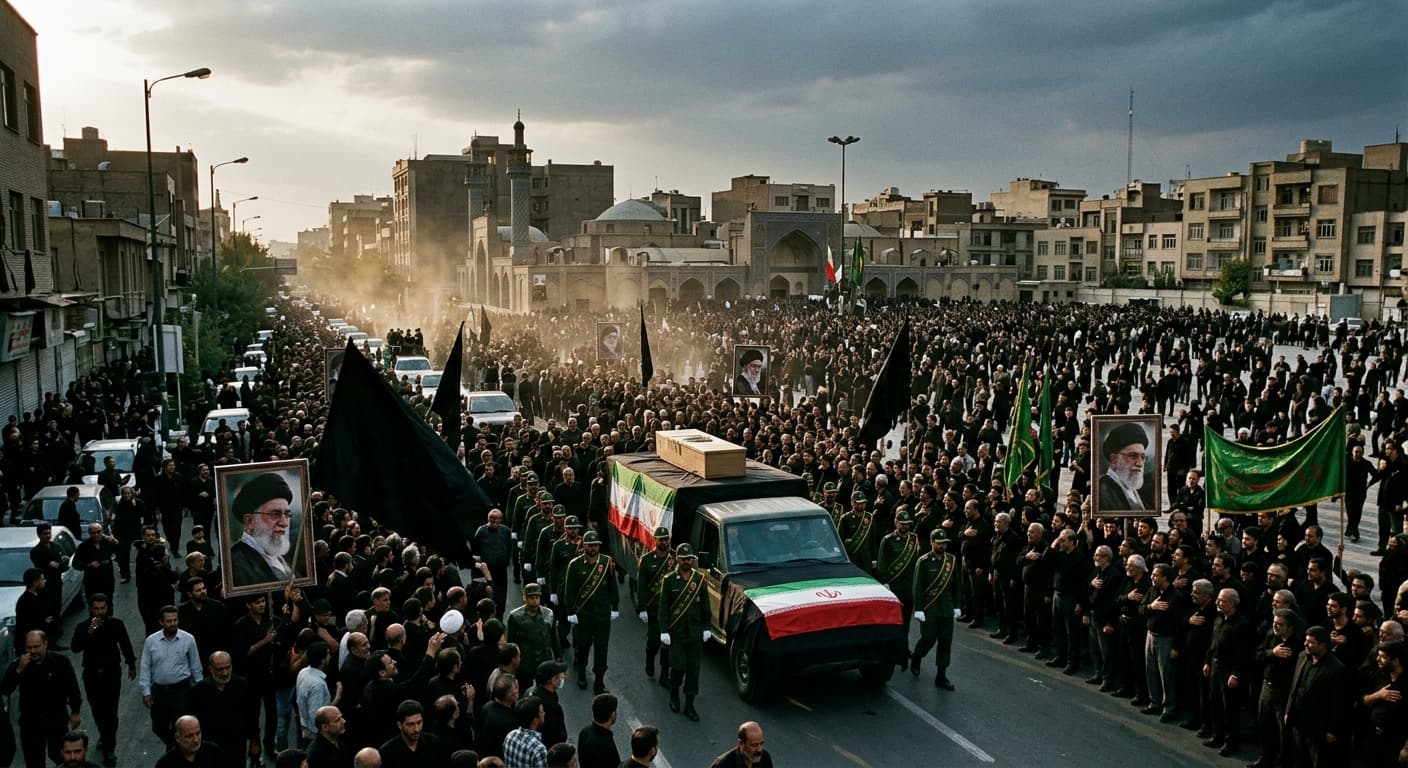
Khamenei's Funeral Signals Iran's Decline
The funeral of Ayatollah Khamenei highlights Iran's diminished influence in the Gulf, with regional powers now dictating terms.
Global
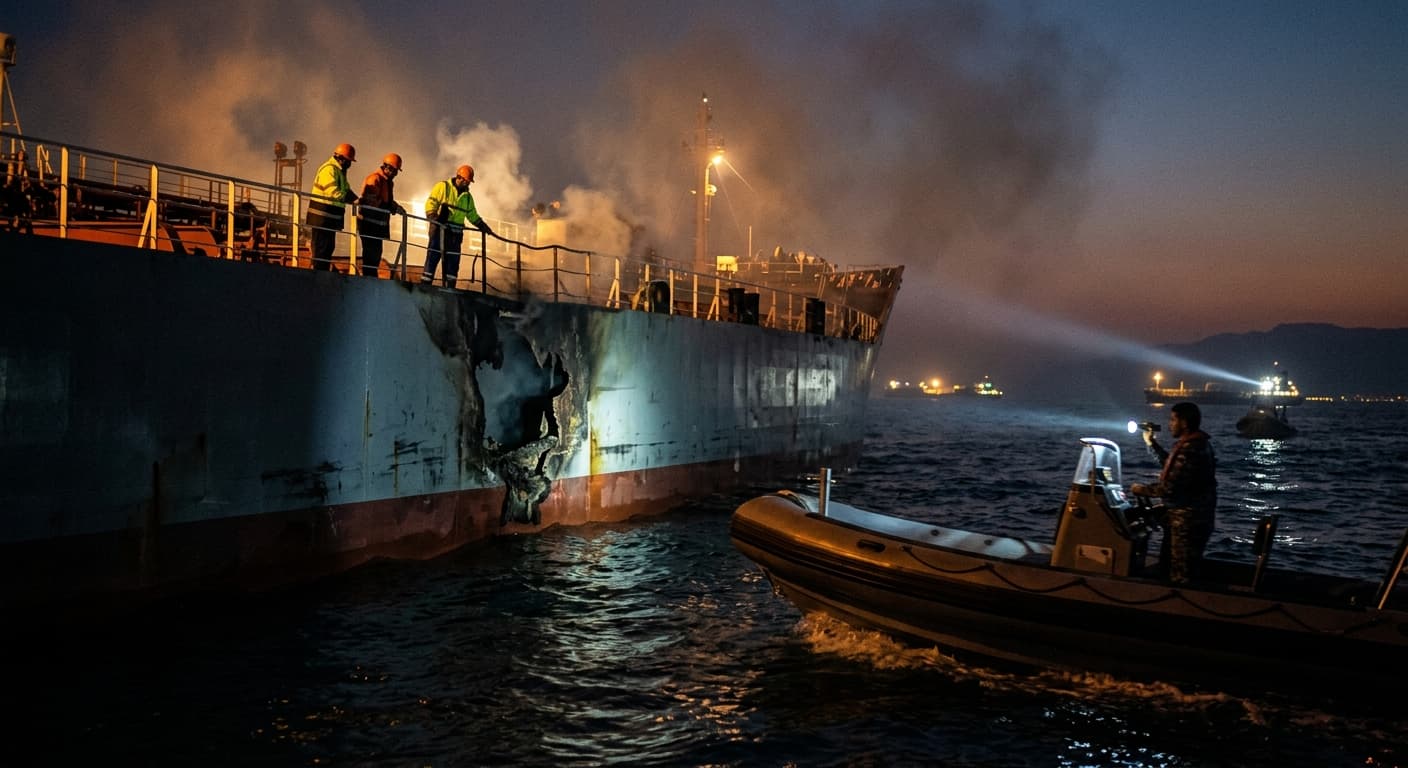
Iran's Hormuz Missile Strikes: A Toll Booth
Iran's missile attack on a Qatari-linked tanker highlights Tehran's strategy to control the Strait of Hormuz, impacting Gulf states and maritime law.

Tech Policy
Iran's Cavern Manticore Targets Israel's IT
Cavern Manticore, an Iran-linked hacking group, targets Israeli IT vendors, prompting a shift in Israel's cybersecurity policy and legislative efforts.