Iran Uses Hormuz Reopening as Bargaining Chip
Tehran signals potential Strait reopening for concessions.
Model Diplomat3 min readMiddle East
Iran Uses Hormuz Reopening as Bargaining Chip in Talks
State TV says Tehran could reopen the Strait within a month if a deal is struck, signaling that shipping access is now being traded for concessions.
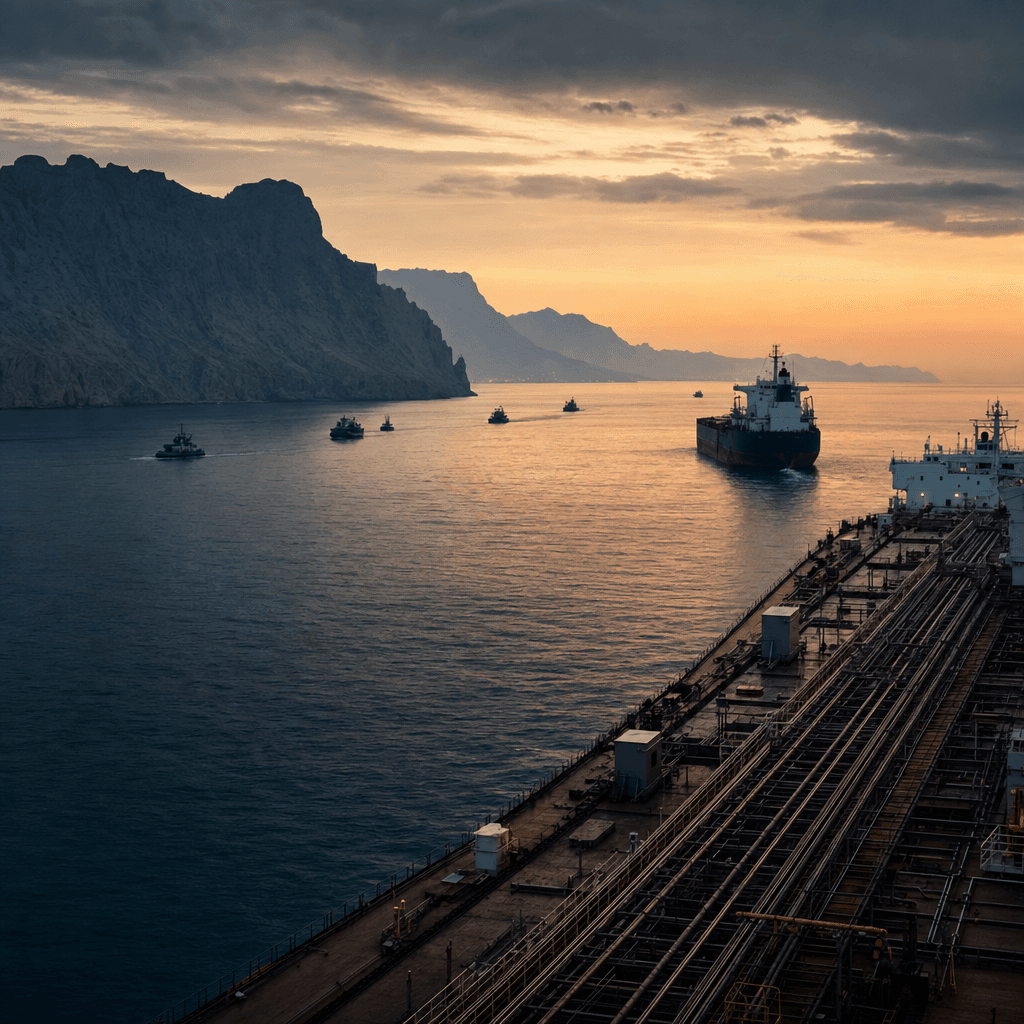
Iran is telling the market what it wants the market to hear: the Strait of Hormuz is back on the negotiating table. Reuters reported on May 27 that Iranian state television said the waterway could be opened within a month if agreed terms are met, framing access to the world’s most important energy chokepoint as part of a broader deal rather than a unilateral concession (Reuters).
Leverage, not de-escalation
This is leverage politics. Tehran has spent months showing it can raise the cost of confrontation by constraining traffic through Hormuz, the narrow passage that carries a major share of seaborne oil and liquefied natural gas. In parallel, other reporting has described a possible package in which Iran would clear mines, reopen transit, and end extra charges only after a political understanding is reached, with 30 days of follow-on talks to settle the terms (IDNFinancials).
That structure matters. It means Iran is not just signaling moderation; it is trying to convert control over a global shipping lane into bargaining power on sanctions, frozen assets, and nuclear restrictions. Reuters’ related reporting has said the broader U.S.-Iran talks are being built around a preliminary memorandum, after which shipping through the strait, sanctions relief, and nuclear curbs would be negotiated in detail (Annahar / Reuters).
For Washington, that narrows the space for pressure. For Tehran, it creates a temporary premium on restraint: if Iran can present itself as the actor capable of reopening Hormuz, it gains a chip that is more valuable than rhetoric and less costly than a direct military escalation. The immediate beneficiary is the Iranian negotiating apparatus; the immediate loser is any party trying to treat maritime security as separate from diplomacy.
Why markets should care
Hormuz is not a regional issue dressed up as one. It is a global price-setting mechanism. Even the suggestion that traffic could normalize only after terms are agreed keeps shipping insurers, tanker operators, and energy traders on edge. That is exactly the point. By linking maritime access to political terms, Tehran raises the cost of delay for everyone else.
The United States also has less leverage than its military posture suggests. Reuters and other outlets have reported that the U.S. and Iran remain locked over sanctions relief, the nuclear file, and the mechanics of reopening the strait (Reuters;
Annahar / Reuters). That means any public claim of imminent reopening should be read as a signal about bargaining, not a settled operational decision.
What to watch next
The next decision point is whether Tehran and Washington can convert this signaling into a written framework. Watch for three things: a formal confirmation from Iranian officials; whether the U.S. signals sanctions relief or a pause in maritime pressure; and whether ships begin transiting without the ad hoc permissions that have defined recent weeks. If those pieces move together, Hormuz is being reopened as part of a deal. If they do not, this is mostly a message: Iran still thinks it can make the world pay for access to its own shipping lane.
For broader context, see Global Politics and the
United States.
Discover more
Global
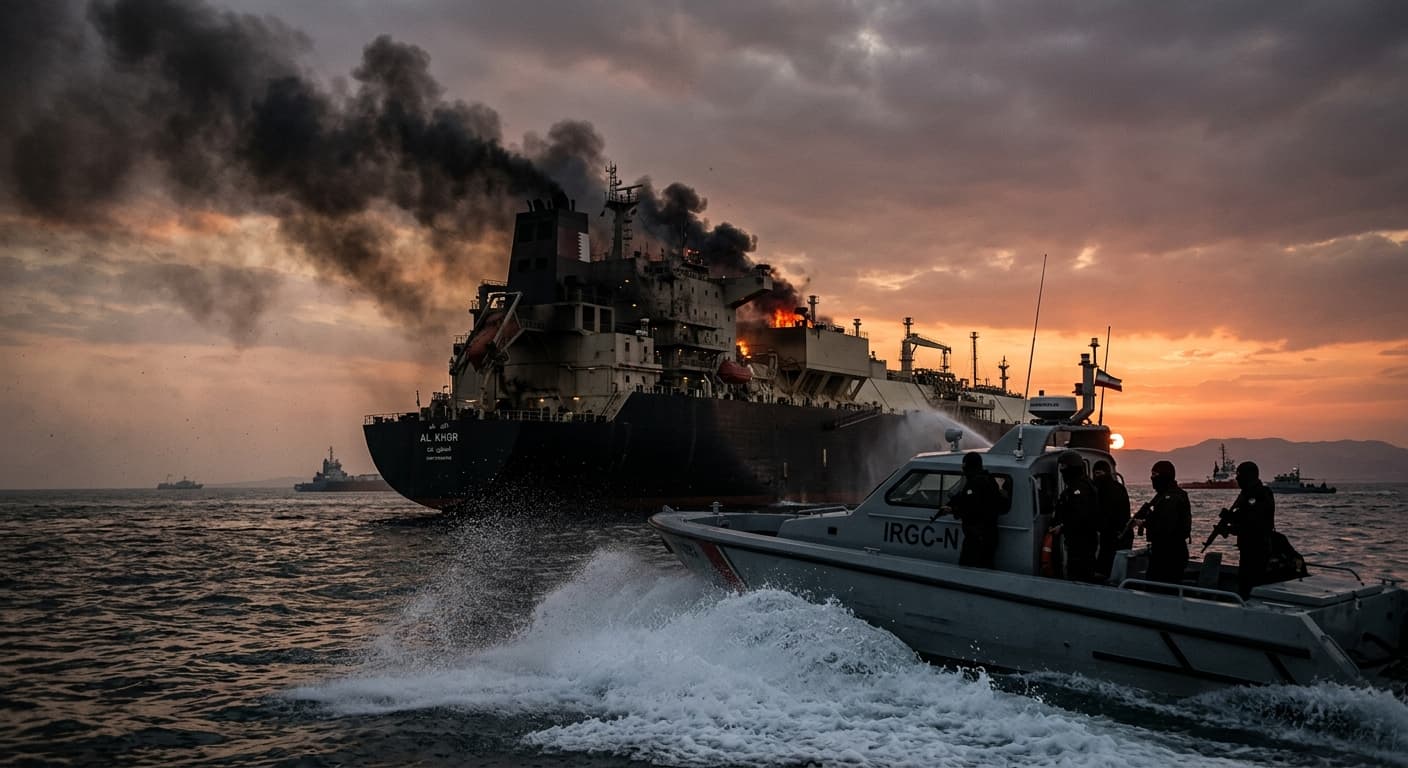
Qatari Tanker Strike Exposes Hormuz Tensions
A Qatari tanker was struck off Oman, revealing the fragility of the Hormuz ceasefire and Iran's influence over maritime security.
Global
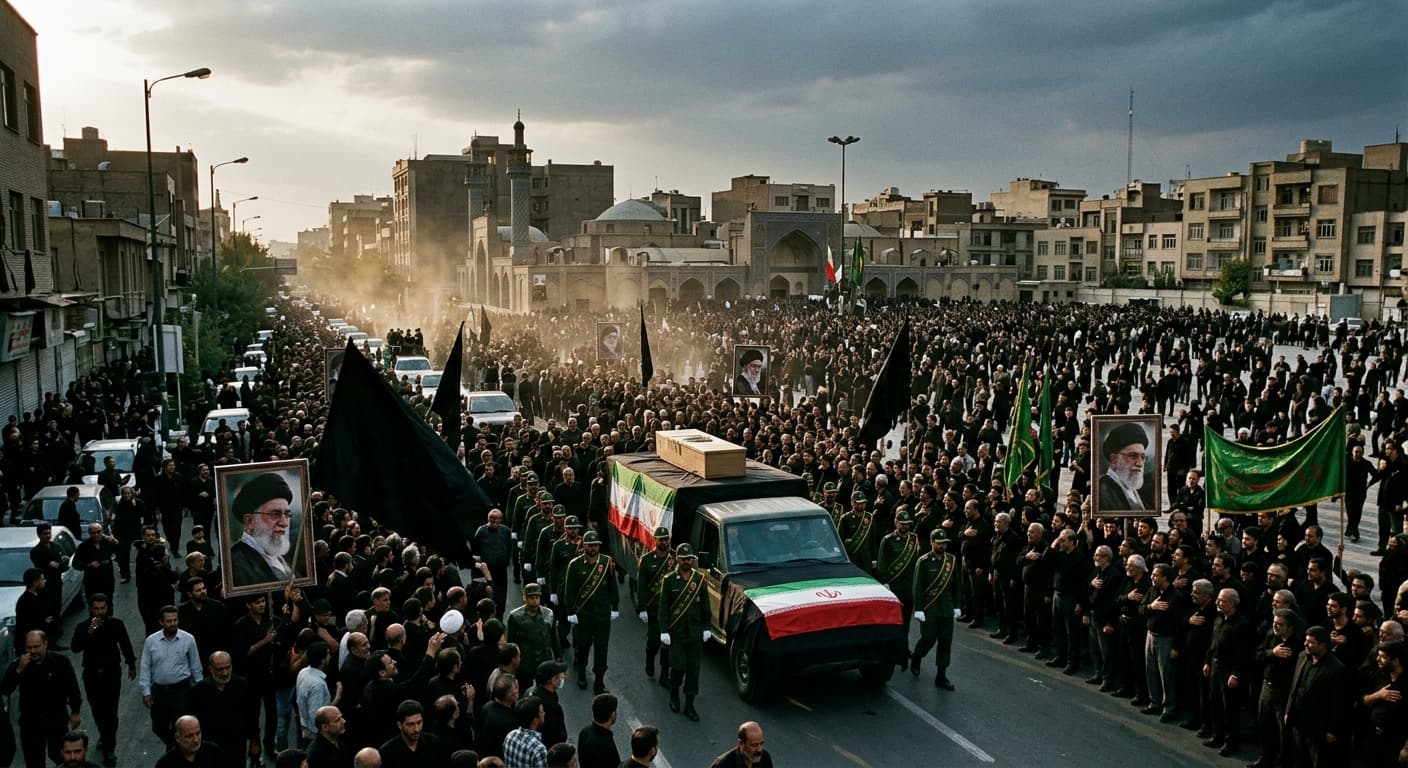
Khamenei's Funeral Signals Iran's Decline
The funeral of Ayatollah Khamenei highlights Iran's diminished influence in the Gulf, with regional powers now dictating terms.
Global
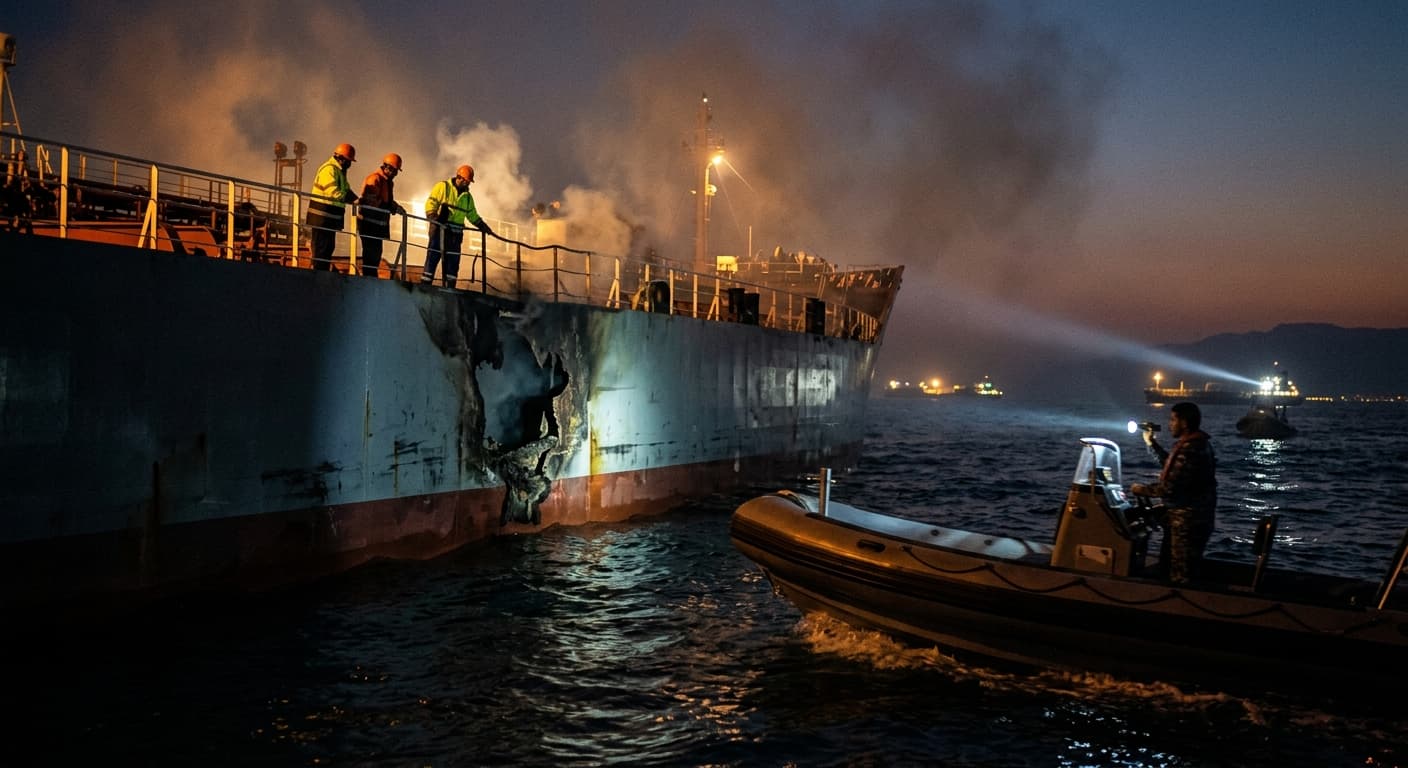
Iran's Hormuz Missile Strikes: A Toll Booth
Iran's missile attack on a Qatari-linked tanker highlights Tehran's strategy to control the Strait of Hormuz, impacting Gulf states and maritime law.

Tech Policy
Iran's Cavern Manticore Targets Israel's IT
Cavern Manticore, an Iran-linked hacking group, targets Israeli IT vendors, prompting a shift in Israel's cybersecurity policy and legislative efforts.