Iran-US MoU: Hormuz First, Nuclear Fight Late
Tehran uses Hormuz leverage in US negotiations.
Model Diplomat3 min readMiddle East
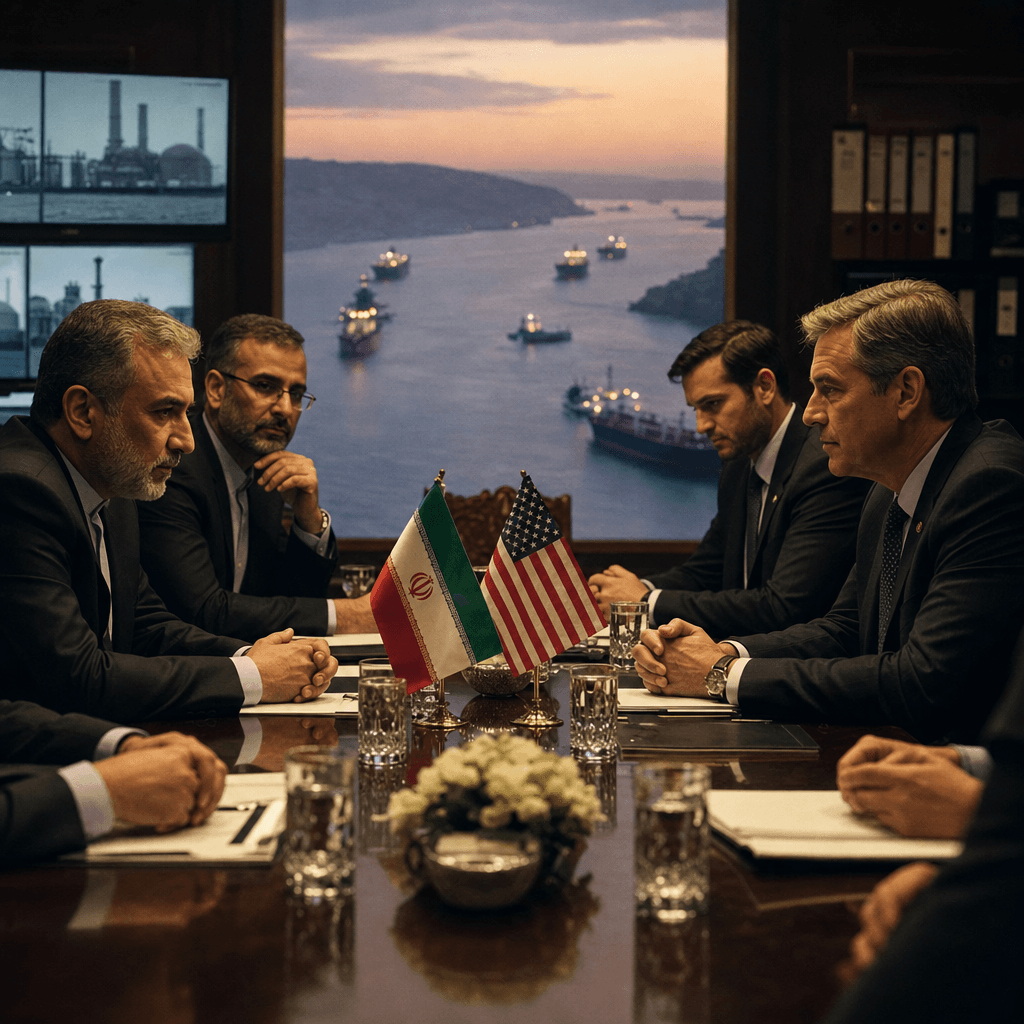
Iran-US MoU: Hormuz First, Nuclear Fight Later
Trump calls the deal “largely negotiated,” but Tehran is treating it as a framework that buys time on Hormuz, sanctions and uranium.
Washington appears to hold the stronger hand in the short term: it can keep the pressure on Iran’s ports and sanctions while dangling relief if Tehran accepts a controlled de-escalation. But Iran is using its own leverage — the Strait of Hormuz — to force the talks onto a narrow track. Donald Trump said the agreement was “largely negotiated” and would reopen Hormuz, while Iran’s foreign ministry said the text is still only a memorandum of understanding and that the nuclear file will be handled later (France 24,
BBC News). That split matters: it shows both sides want to claim momentum without yet locking in the hard concessions.
Hormuz is the immediate bargaining chip
Hormuz is the part of the deal with the fastest payoff and the clearest coercive value. Iran has treated the strait as its principal source of leverage since the war with the US and Israel, and Trump’s camp has described reopening it as central to the package (France 24,
Al Jazeera). Reuters-style reporting relayed by Al Jazeera says the framework would run in stages: first end the fighting, then resolve the Hormuz dispute, then open a 30-day window for broader talks (
Al Jazeera). That sequence helps both capitals. Tehran can say it has prevented capitulation. Washington can say it has restored shipping without conceding on the final nuclear settlement.
The real beneficiaries in the short run are the Gulf energy exporters and shipping markets, which have been priced for disruption since Iran restricted transit and the US moved to blockade Iranian ports (BBC News,
Al Jazeera). The losers are hardliners on both sides: in Tehran, commanders who want to preserve coercive control over the strait; in Washington and Israel, those arguing that any pause just gives Iran time to regroup.
The nuclear issue is being deferred, not solved
That is the key point. The most sensitive issue — Iran’s highly enriched uranium stockpile — is not being settled now, only parked. The France 24 account says Iranian officials insist the nuclear question is outside the current protocol, while the New York Times reporting cited there says Washington sees an Iranian commitment to give up its stockpile as central. The BBC similarly reports that some US media suggest Iran may eventually hand over highly enriched uranium, but that the talks are still focused on a time-limited framework, not a final nuclear accord (
BBC News).
That is why the next decision point is political, not technical. Iran’s own outlets say the text still needs approval from the Supreme National Security Council and, ultimately, the supreme leader (The Guardian). Until that happens, the deal is vulnerable to two vetoes: one from Tehran’s security establishment, the other from Trump if he decides the concessions are too small to sell as a win.
There is also a regional clause worth watching. France 24 reports that the draft touches Lebanon, with Tehran and Hezbollah linking any ceasefire to the wider regional war, while Israel continues strikes in Lebanon despite the truce there (France 24). That broadens the negotiation from a bilateral bargain into a regional freeze. It also puts Israel in the awkward position of being a security actor inside a US-Iran deal it does not control.
What to watch next
Watch for three things: whether Tehran’s security council signs off, whether Trump keeps the 30-day window alive, and whether Hormuz actually reopens on the terms now being described in public. If those pieces hold, the next fight moves to the nuclear file — and the deadline becomes the end of the current negotiation window, not the ceasefire itself.
Discover more
Global
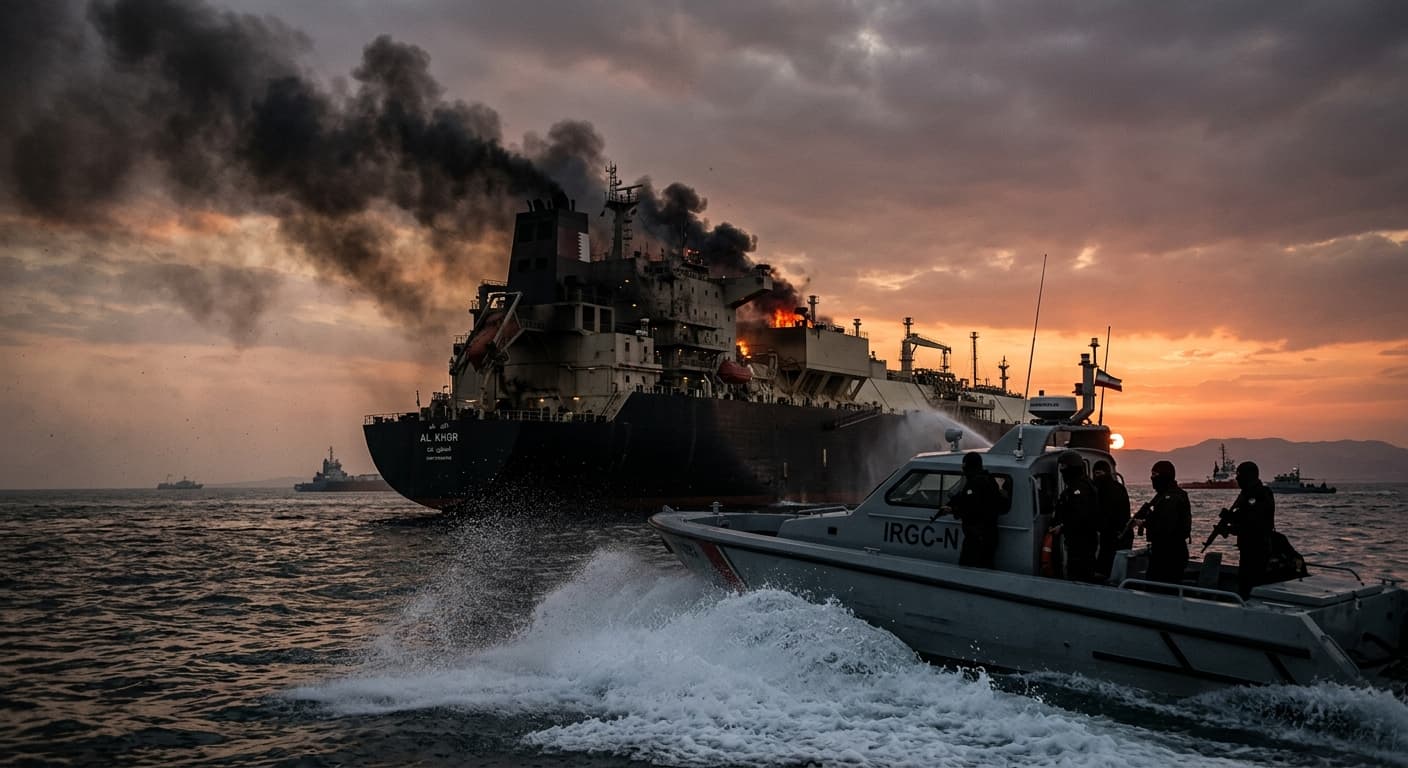
Qatari Tanker Strike Exposes Hormuz Tensions
A Qatari tanker was struck off Oman, revealing the fragility of the Hormuz ceasefire and Iran's influence over maritime security.
Global
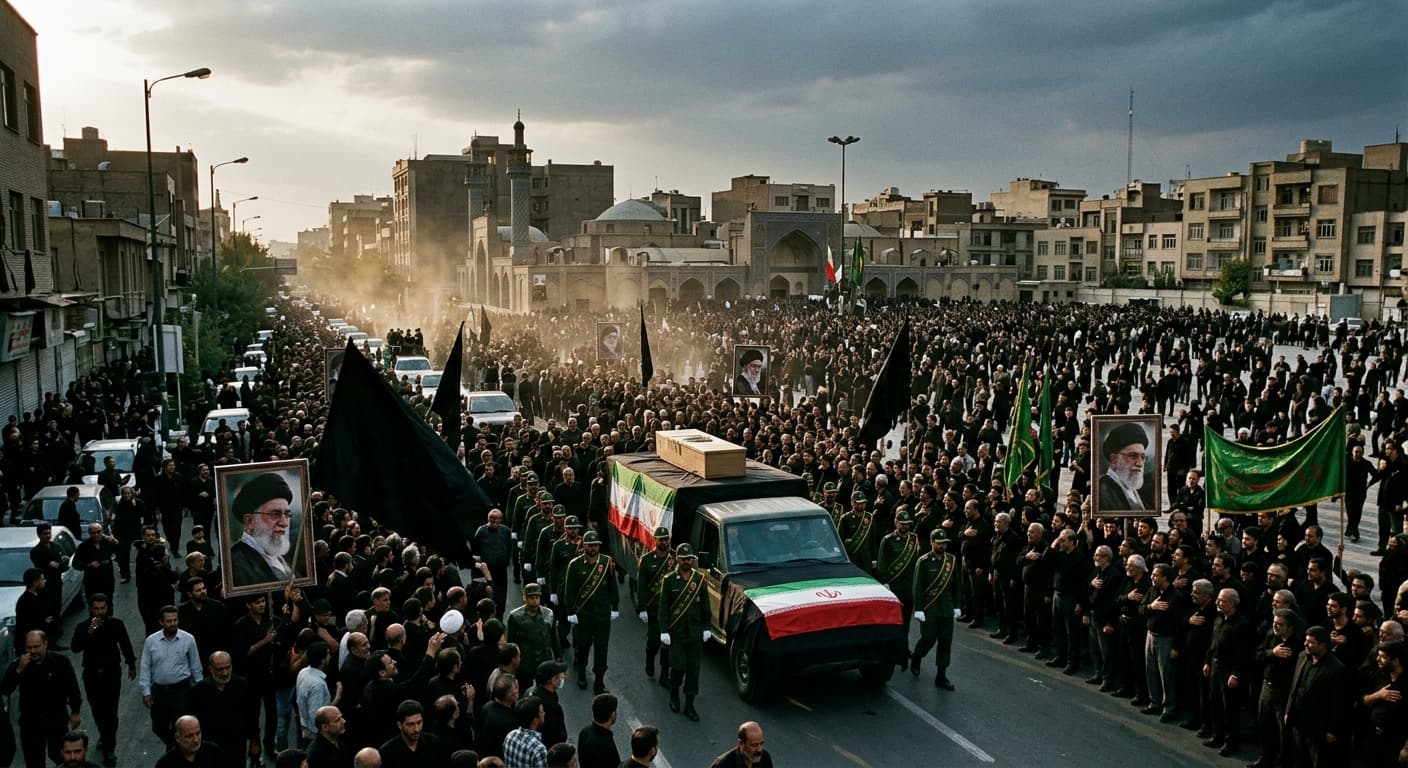
Khamenei's Funeral Signals Iran's Decline
The funeral of Ayatollah Khamenei highlights Iran's diminished influence in the Gulf, with regional powers now dictating terms.
Global
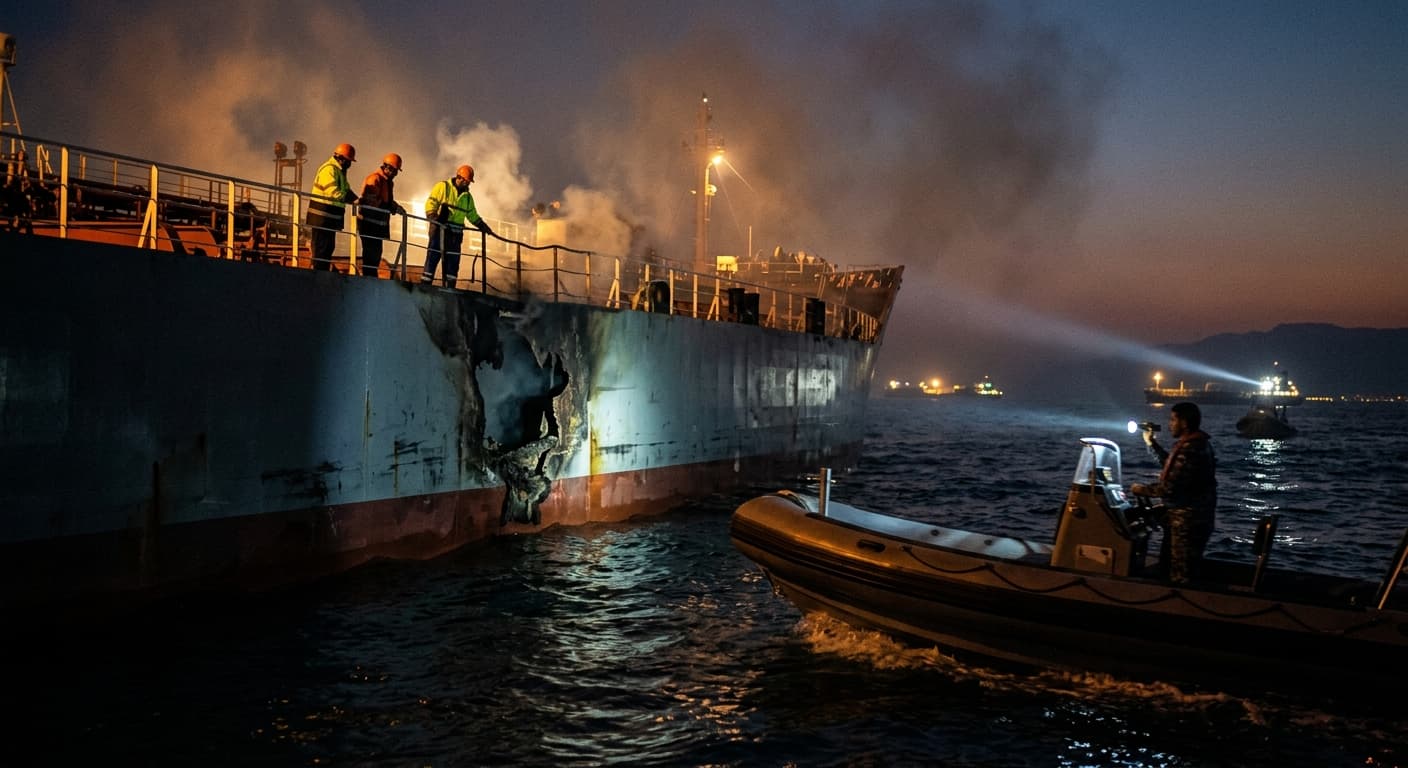
Iran's Hormuz Missile Strikes: A Toll Booth
Iran's missile attack on a Qatari-linked tanker highlights Tehran's strategy to control the Strait of Hormuz, impacting Gulf states and maritime law.

Tech Policy
Iran's Cavern Manticore Targets Israel's IT
Cavern Manticore, an Iran-linked hacking group, targets Israeli IT vendors, prompting a shift in Israel's cybersecurity policy and legislative efforts.