Iran Releases $12B Frozen Assets Deal
US lifts sanctions in exchange for compliance from Iran
Model Diplomat3 min readMiddle East
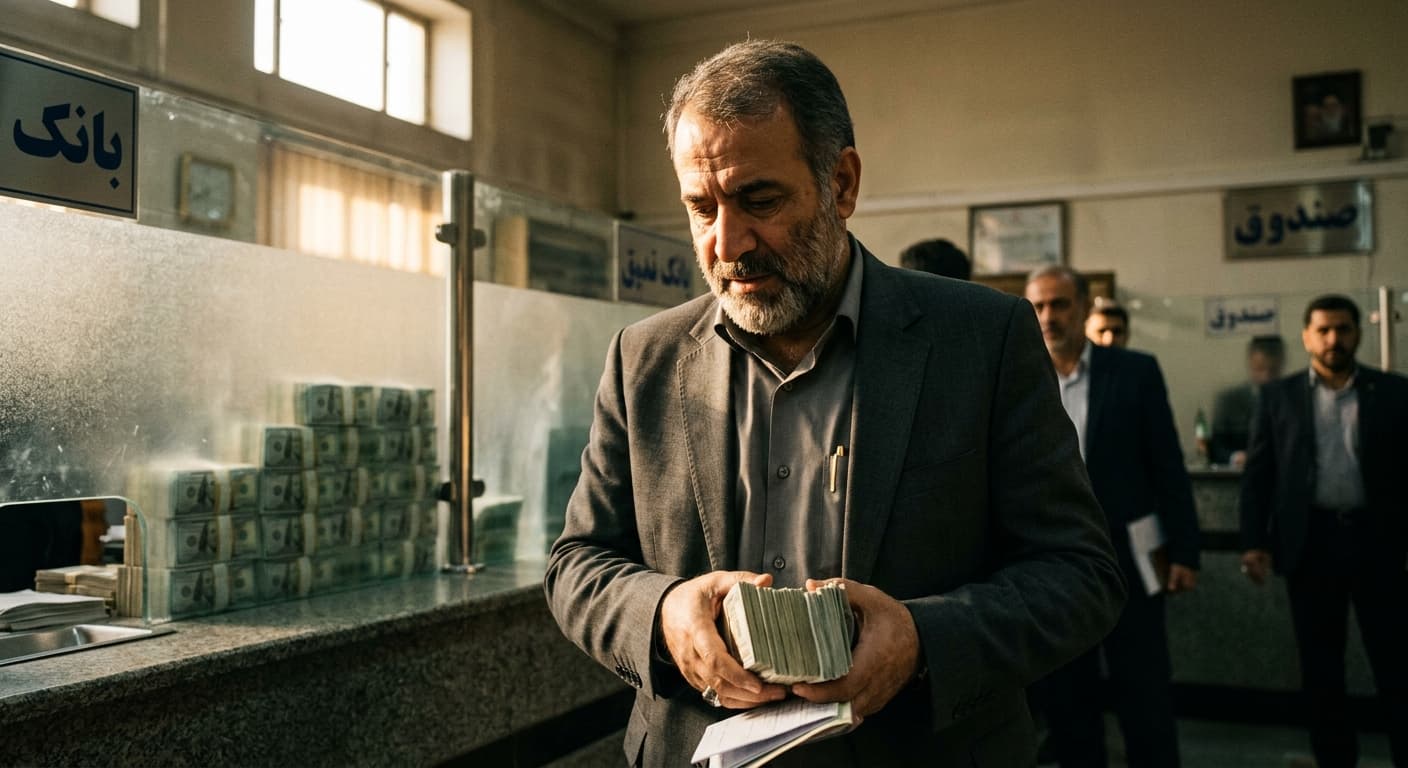
Iran Gets $12B in Frozen Assets—Trump Trades Cash for Control
The US releases Iranian funds and lifts oil sanctions as part of Memorandum of Understanding, conditioning further relief on Tehran's compliance with weapons inspections and Strait of Hormuz access.
Al Jazeera reported June 23 that Iran's Parliament Speaker Mohammad Bagher Ghalibaf announced an agreement with the United States to release $12 billion in frozen Iranian assets. Simultaneously,
the US Treasury Department waived sanctions on the sale of Iranian crude oil, petrochemicals, and petroleum products through August 21—the first material concession to Tehran after months of war that killed thousands and cost both sides billions.
The move executes the 60-day Memorandum of Understanding signed June 17, under which the US Treasury issued a general license authorizing "the production, delivery and sale of Iranian oil." According to the
BBC's publication of the full text, the agreement commits the US to "make fully available for use the frozen or restricted funds and assets of the Islamic Republic of Iran," with procedures for release to be negotiated by technical teams remaining in Switzerland. Vice President JD Vance framed the breakthrough as laying "a very good foundation" for a final deal, though his immediate assertion that unfrozen funds would be spent on American agricultural products was rejected by Iran's Central Bank Governor.
The economic upside for Iran is immediate and substantial. Before the waiver, Al Jazeera's analysis noted that Iran sold oil "at hugely discounted rates because buyers were worried about getting across American sanctions." Market-rate pricing now available to Tehran means "millions more coming in to Iran"—a lifeline for an economy ravaged by four decades of sanctions and three months of conflict. The $12 billion release is the first tranche; the MoU's structure conditions additional asset unfreezing on Iranian compliance with benchmarks: weapons inspections by the International Atomic Energy Agency, free transit through the Strait of Hormuz, and as yet unspecified constraints on funding to regional proxies.
Here lies the leverage structure. The US has established a technical committee to monitor how Iran spends released funds, explicitly to prevent money flowing "to help proxies around the Middle East, who then cause violence." Trump's public warnings to Iran over control of Hormuz signal the administration will use future tranches as coercion—a mechanism Seyed Hossein Mousavian, a former Iranian nuclear negotiator now at Princeton,
called a "golden opportunity" precisely because coercive measures have "all failed" over 47 years.
The political risk is asymmetric. Congress is "very unhappy with this deal," and further sanctions relief may require Congressional approval—a legislative minefield for Trump. Iran, for its part, has little margin for error: any violation of the benchmarks triggers asset freezes and renewed oil sanctions, and the August 21 waiver expiration forces a negotiated extension before Tehran sees sustained market access.
Watch the August 15 deadline. If technical talks stall before the oil waiver expires, Trump has signaled willingness to resume strikes. The real test comes when negotiators move from the first $12 billion to the remaining $88 billion in frozen assets—that is when the terms of control become explicit.
Discover more

Global Politics
US Seizes Iranian Ship, Tensions Surge
The US seizure of the Iranian ship Touska highlights a shift in control over the Strait of Hormuz, favoring Iran's strategic position.

International Relations
Pakistan's Key Role in US-Israel-Iran Meddle
Pakistan is seeking to mediate the US-Israel-Iran conflict, balancing high-stakes diplomacy against severe economic pressures and steep regional challenges.

India
India-South Korea $50B Trade Expansion Plan
India and South Korea target $50 billion in bilateral trade by 2030, focusing on industrial cooperation and strategic alignment amid US pressures.

Conflict & Security
Drone Warfare Killing Aid Workers at Unprec
Over 1,000 humanitarian workers killed in three years as cheap armed drones collapse legal protections. Gaza, Sudan, Ukraine, and DRC see deliberate targeting of aid convoys and hospitals with zero prosecutions.