Iran Uses Strait of Hormuz as Bargaining Chip
Tehran uses maritime control to influence U.S. talks.
Model Diplomat3 min readMiddle East
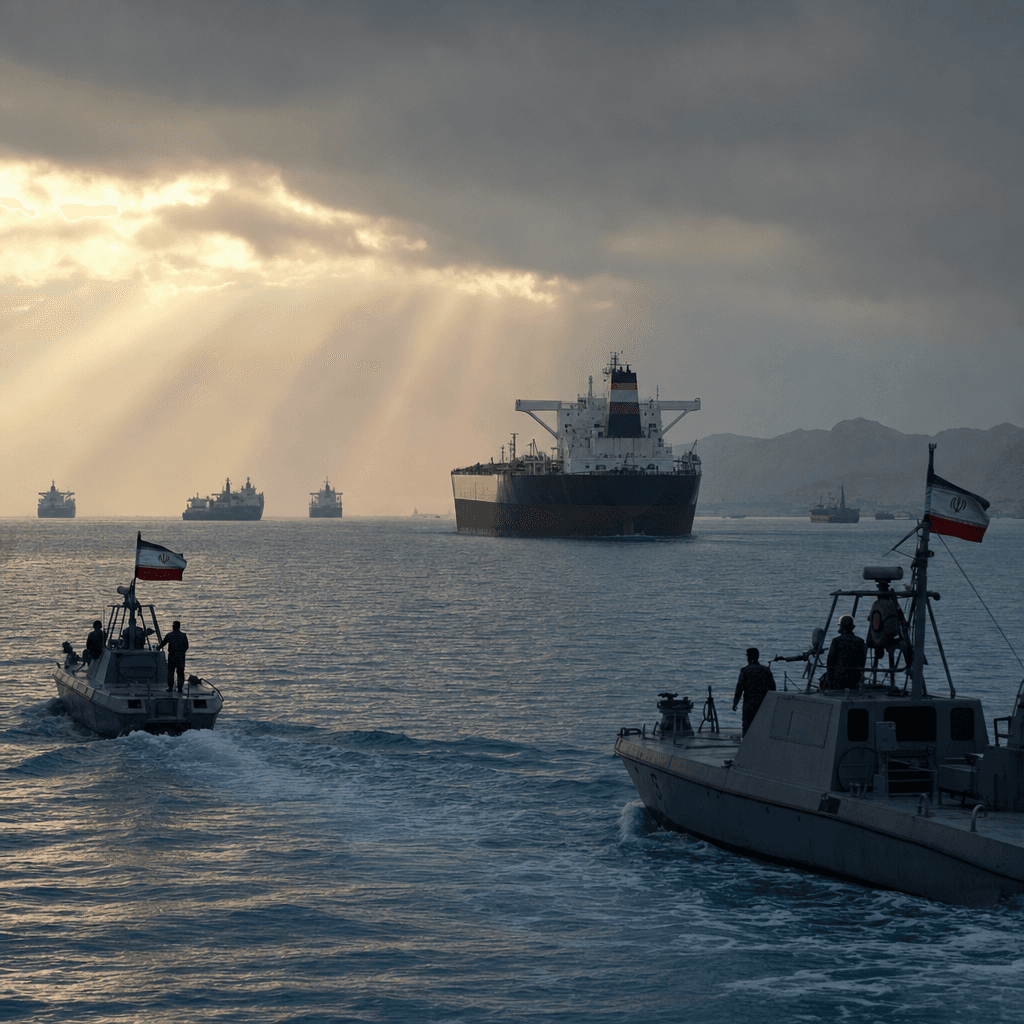
Iran Turns Hormuz Into Leverage as Trump Hesitates
Tehran is using control of the Strait of Hormuz and Pakistan’s mediation to force a narrower bargain, while Washington still mixes threats with deal talk.
Iran is not conceding to Washington’s demand set. President Masoud Pezeshkian said “dialogue does not mean surrender,” while Iranian officials told mediators they are still reviewing the latest U.S. proposal and that the gaps have narrowed, not closed, in the talks. At the same time, U.S. Secretary of State Marco Rubio said there were “some good signs,” but warned that a Hormuz tolling system would make a deal “unfeasible,” underscoring how much the dispute now revolves around shipping control, not just the nuclear file (Al Jazeera,
Al Jazeera,
Reuters).
Leverage at the Strait
The core power dynamic is maritime coercion. Iran has restricted traffic through Hormuz and says it is coordinating vessel transits under its own terms, while the U.S. has answered with a naval blockade of Iranian ports and warnings that any Iranian tolling or permit system would be unacceptable (Al Jazeera,
Al Jazeera,
Reuters). That gives Tehran a bargaining chip that reaches far beyond the battlefield: the Strait still carries roughly a fifth of global oil and LNG flows in peacetime, so even partial disruption puts pressure on oil markets, Gulf insurers, and energy importers in Asia (
BBC,
Al Jazeera).
That also explains why Pakistan has become the critical intermediary. Islamabad hosted the only direct U.S.-Iran contacts in April and is now shuttling draft texts and responses again, with Pakistani Interior Minister Mohsin Naqvi and military chief Asim Munir both linked to the latest round of talks (Al Jazeera,
Al Jazeera). For Tehran, Pakistan is useful because it lets Iran avoid direct capitulation. For Washington, it is the least bad channel left after threats have repeatedly failed to deliver a clean submission.
Trump’s Mixed Signals Strengthen Iran’s Hand
The Trump administration is helping Iran’s argument that Washington is not fixed on one end state. In the last several days, Trump has alternated between threatening renewed strikes and pausing military action because “serious negotiations are now taking place,” a pattern that makes it harder for Tehran to know whether the U.S. wants a deal or just leverage for escalation (BBC,
Al Jazeera). That ambiguity benefits Iran more than the U.S. because it raises the political cost of Iranian concessions: Tehran can tell its own hardliners it is negotiating under pressure, not surrendering voluntarily.
The second-order effect is that the wider region is being pulled into a bargaining process it does not control. Gulf states want the strait reopened and escalation contained, which is why they are reportedly pushing Trump toward restraint; Israel, by contrast, remains the actor most eager to keep military pressure on Iran, but it still depends on U.S. cover to do so (BBC,
Al Jazeera).
What to Watch Next
The immediate decision point is the next few days: whether Pakistan can turn the latest drafts into a memorandum, and whether Trump sticks with the pause or flips back to threats again (Reuters,
Al Jazeera). Watch Asim Munir’s Tehran trip and any language on Hormuz access: if that file moves, the rest of the talks may follow. For broader context, see
Conflict and
Iran.
Discover more

Global Politics
US Seizes Iranian Ship, Tensions Surge
The US seizure of the Iranian ship Touska highlights a shift in control over the Strait of Hormuz, favoring Iran's strategic position.

Conflict & Security
Drone Warfare Killing Aid Workers at Unprec
Over 1,000 humanitarian workers killed in three years as cheap armed drones collapse legal protections. Gaza, Sudan, Ukraine, and DRC see deliberate targeting of aid convoys and hospitals with zero prosecutions.

Global
World Normalises Taliban as Afghan Women Eras
UN data shows Afghan women erased from public life as Russia recognises the Taliban, EU hosts officials in Brussels, and ICC warrants for gender persecution go unenforced.
Conflict & Security
West Africa Food Crisis: Three Shocks in 2026
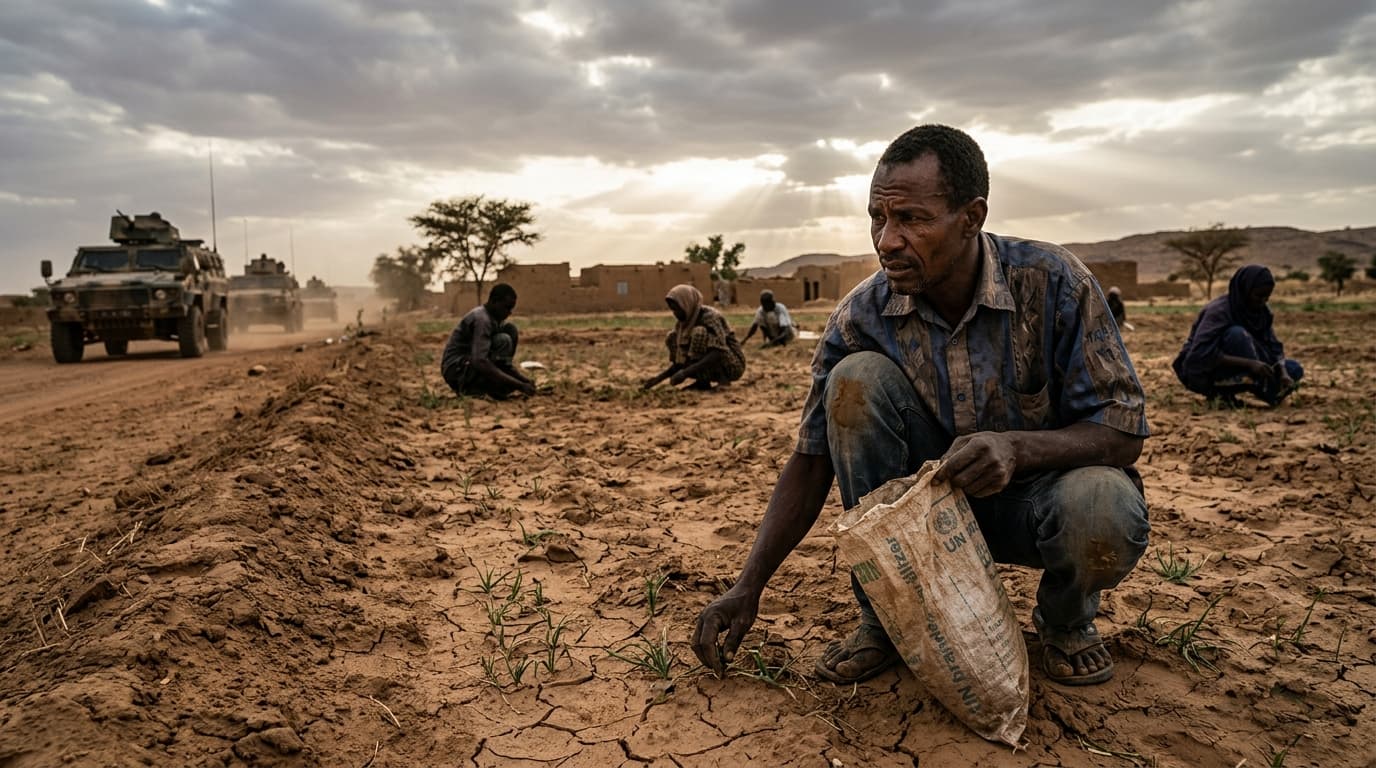
Conflict, climate extremes, and the Strait of Hormuz closure drive a severe food crisis in West and Central Africa, with fertilizer prices surging 80% and millions displaced.