Iran Keeps Strait of Hormuz Open for Shipping
Ceasefire allows vital oil route to remain operational
Model Diplomat3 min readMiddle East

Iran Opens Strait of Hormuz for Commercial Ships Amid Ceasefire
Iran’s declaration that the Strait of Hormuz will remain open during the ceasefire temporarily eases tensions and offers a fragile reprieve for global oil markets.
Iran announced today that the Strait of Hormuz, the crucial maritime chokepoint through which about 20% of the world's oil passes, will remain fully open for commercial shipping for the duration of the ongoing ceasefire. This move comes amid fragile regional dynamics that have roiled energy markets and escalated geopolitical tensions in recent months.
Why This Matters
The Strait of Hormuz has long been one of the most strategically sensitive waterways in the world. Just last year, a series of confrontations including tanker seizures and drone strikes had raised concerns about a potential disruption to the global oil supply, sparking sudden spikes in crude oil prices. Iran’s November 2025 blockade of the strait forced some countries to reroute their tankers or build costly pipelines circumventing the Persian Gulf, pushing global oil markets into sustained anxiety.
By declaring the strait open during this ceasefire, Tehran is signaling a willingness to reduce immediate confrontations, at least temporarily. Opening the strait alleviates immediate supply concerns and potentially calms energy markets, which are still jittery after a record price surge to over $120 per barrel in late 2025.
This development also reflects a broader regional thaw that is evident in the latest Israel-Lebanon ceasefire efforts. While details remain fluid and fighting sporadic, the simultaneous progress on multiple fronts suggests regional powers may be cautiously exploring de-escalation, influenced by diplomatic pressure from the United States and Gulf Arab states.
The Bigger Picture: What’s Behind Iran’s Move?
Iran’s decision to open the strait fits into a layered strategic calculation:
-
Diplomatic leverage: By showing control over this vital waterway, Tehran retains a bargaining chip in negotiations with Western powers, particularly regarding its nuclear program and sanctions relief talks that have stalled for months. This move conveys willingness to cooperate but on its own terms.
-
Economic relief: Iran’s economy remains under strain from US sanctions and domestic challenges. Facilitating oil exports through the strait could shore up government revenues and stabilize domestic conditions.
-
Regional influence: Iran’s dominance over the Strait of Hormuz underlines its role as a regional power broker. This announcement also sends a subtle warning that any breakdown in peace could quickly reverse these openings, reinstating the blockade threat.
What to Watch Next
-
Ceasefire durability: The open strait is conditional on the ceasefire’s continuation. Any flare-up—particularly involving U.S. naval forces or proxy militias aligned with Iran—could abruptly alter the situation.
-
Oil market reactions: Traders will closely monitor tanker traffic and compliance. A prolonged peaceful period could ease inflationary pressures globally by stabilizing oil prices, benefiting consumers and economically vulnerable countries.
-
Diplomatic developments: Watch for renewed talks between Iran, the US, and Gulf states. This period may also see increased mediation efforts between Israel and Lebanon to build on the ceasefire momentum.
This development shines a spotlight on the Strait of Hormuz's outsized role in global energy security and highlights the tightrope Tehran walks between confrontation and cooperation. For global politics watchers, this is a moment where regional conflict and international economic interests intersect sharply.
Learn more about the Middle East conflict dynamics and Iran’s evolving role in
Global Politics.
Discover more

Global Politics
Day 47 of US-Iran Conflict
On day 47 of the US-Iran conflict, Red Cross aid reaches Iran as military strikes continue, underscoring a tangled humanitarian and geopolitical crisis.

Global Politics
China's New Strategy for Taiwan and Japan
China softened its stance on Taiwan and Japan, eyeing the 2028 election and regional stability as Middle East turmoil reshapes its geopolitical calculations.
US Politics
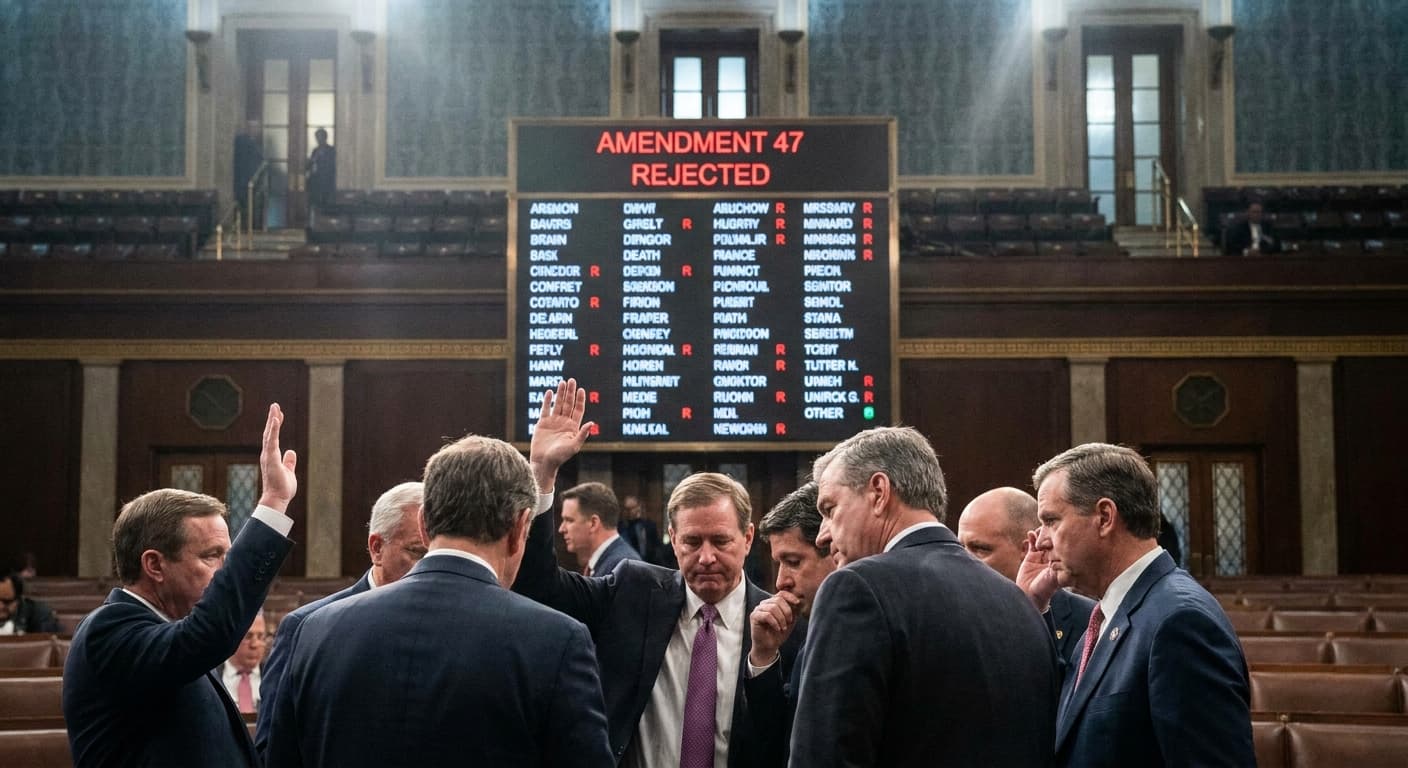
House Rejects Resolution on Trump's Iran Host
The House voted down a resolution to limit Trump's military actions in Iran, laying bare partisan divides and reigniting debate over presidential war powers.

Conflict & Security
Drone Warfare Killing Aid Workers at Unprec
Over 1,000 humanitarian workers killed in three years as cheap armed drones collapse legal protections. Gaza, Sudan, Ukraine, and DRC see deliberate targeting of aid convoys and hospitals with zero prosecutions.