Iran Seeks FIFA IRGC Guarantees for World Cup
Iran seeks assurances from FIFA regarding delegation treatment.
Model Diplomat3 min readMiddle East
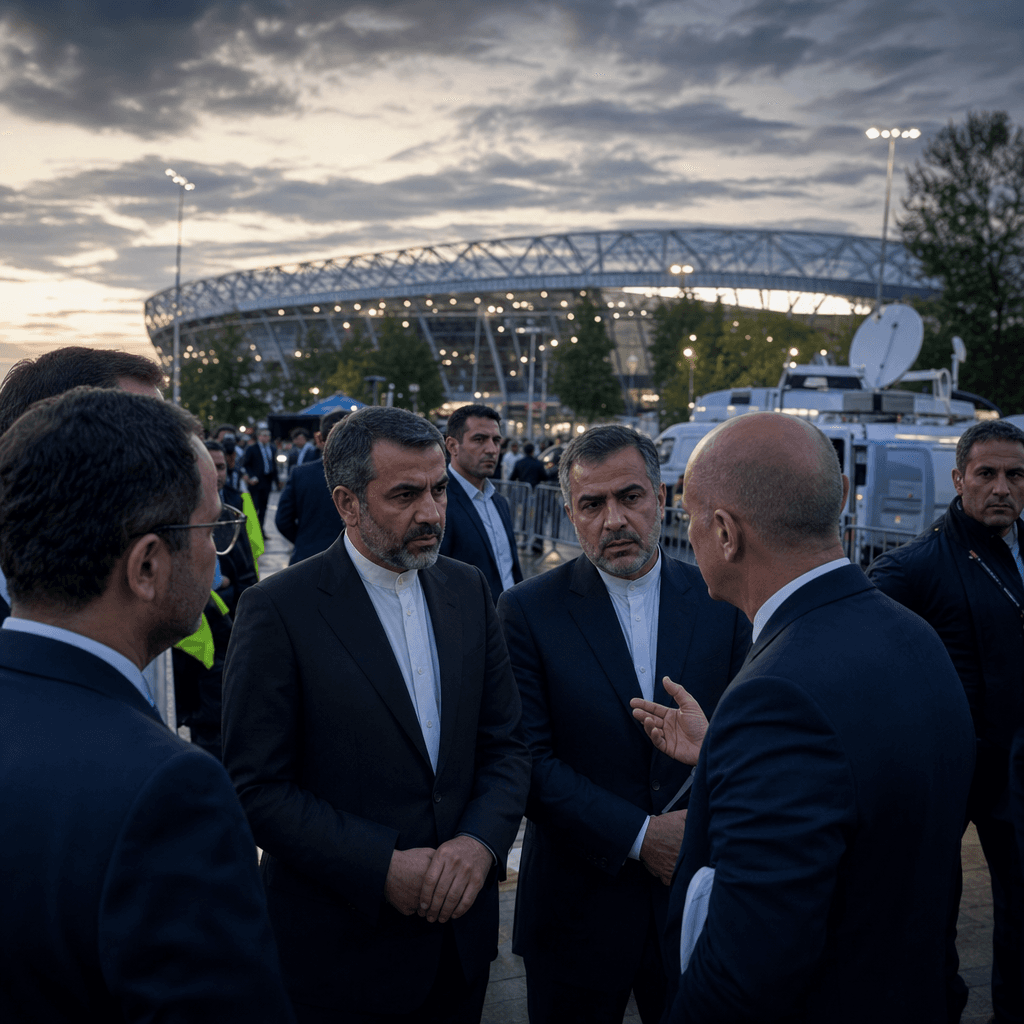
Iran Pushes FIFA for IRGC Assurance Before World Cup
Tehran is using World Cup logistics to force FIFA and the hosts to clarify entry rules, while Infantino is resisting any scramble over the draw.
Iran’s football federation is turning a travel dispute into a political test of FIFA’s authority. Mehdi Taj says guarantees over the treatment of Iran’s delegation — including the IRGC question — are essential before the team travels to the United States for the 2026 World Cup, after Iranian officials were turned back from the Canadian border and then invited to Zurich for talks with FIFA. Reuters
AP News
Tehran’s leverage is limited, so it is testing FIFA
Iran does not control the venue, the schedule, or U.S. visa policy. FIFA has already said the matches will go ahead as drawn, and President Gianni Infantino has publicly insisted Iran will play in the United States. Reuters
AP News
That leaves Tehran with one real lever: uncertainty. By pressing FIFA on delegation treatment and “respect,” Iran is trying to shift the argument from a sporting calendar to a security and sovereignty issue. That matters because it lets Iranian officials frame compliance with the tournament as conditional, not automatic, without formally pulling the team out. Reuters
The hosts also have leverage. The United States controls who enters its territory, and Washington has already signaled that Iranian players may come, but people with IRGC ties may not. That narrows the likely delegation and increases the odds of a last-minute bureaucratic fight over staff, media, and support personnel. Al Jazeera/Reuters
FIFA wants the schedule intact
This is why FIFA is holding the line. Changing Iran’s matches after the draw would create a precedent FIFA has spent years avoiding, and AP notes that no team has refused a World Cup entry since 1950. A late venue shift would also expose FIFA to compensation claims from fans, broadcasters, and sponsors who bought into the published schedule. AP News
AP News
For FIFA, the priority is not resolving the politics between Tehran and Washington; it is preserving tournament control. For Iran, the aim is narrower: secure enough procedural guarantees to keep the team traveling, while preserving room to claim the hosts are the obstacle if something goes wrong. That is a familiar play in Global Politics, but here it is happening inside football’s most rigid commercial event.
What to watch next
The next decision point is the FIFA meeting in Zurich, where Iran will try to pin down what “guarantees” mean in practice. The immediate date that matters is May 20, the deadline AP says FIFA set for Iran’s delegation discussions; after that, the clock runs straight into the June 11 tournament start. AP News
If Iran’s officials still cannot secure entry terms they can sell at home, the issue could spill from football into diplomacy fast — and the United States will be the country under the spotlight, even if the match itself is the least political part of the problem.
Discover more
Global
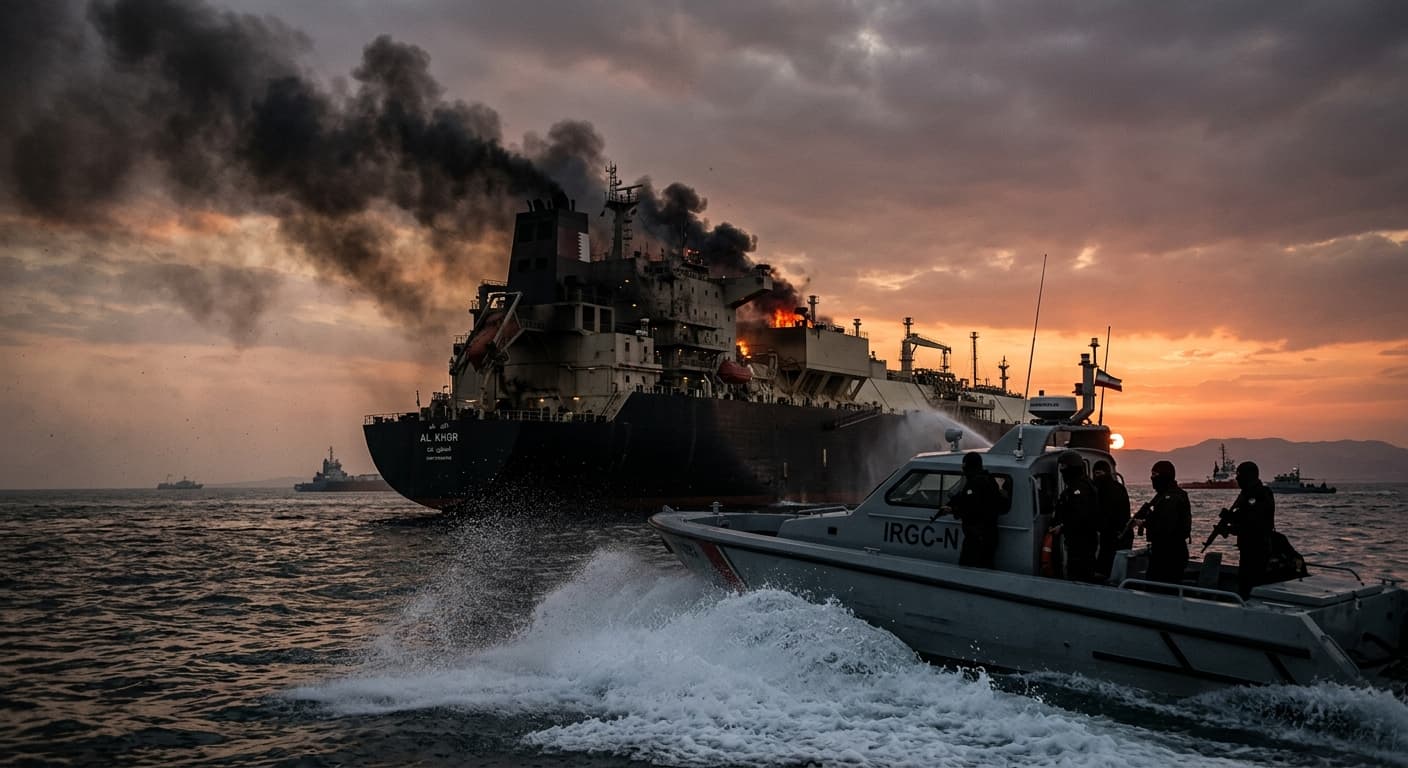
Qatari Tanker Strike Exposes Hormuz Tensions
A Qatari tanker was struck off Oman, revealing the fragility of the Hormuz ceasefire and Iran's influence over maritime security.
Global
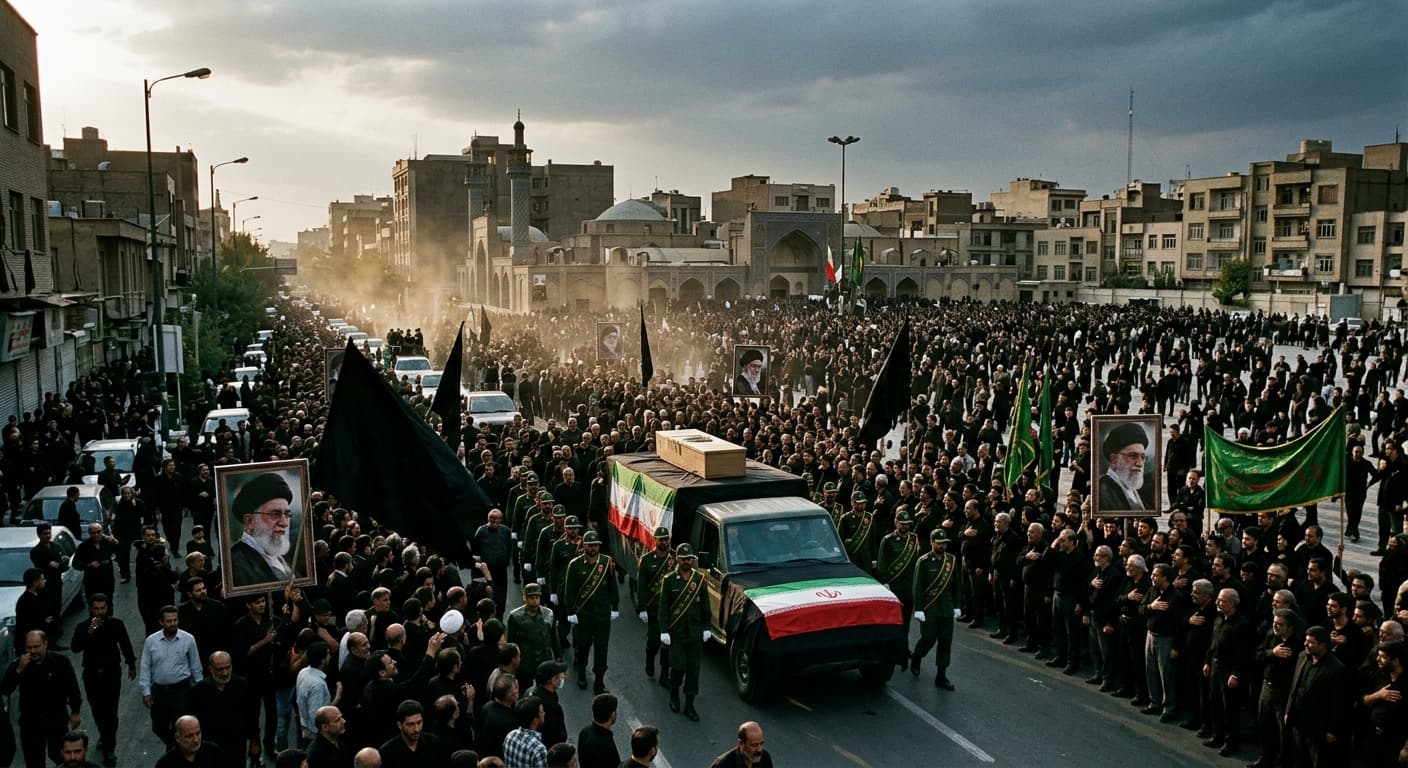
Khamenei's Funeral Signals Iran's Decline
The funeral of Ayatollah Khamenei highlights Iran's diminished influence in the Gulf, with regional powers now dictating terms.
Global
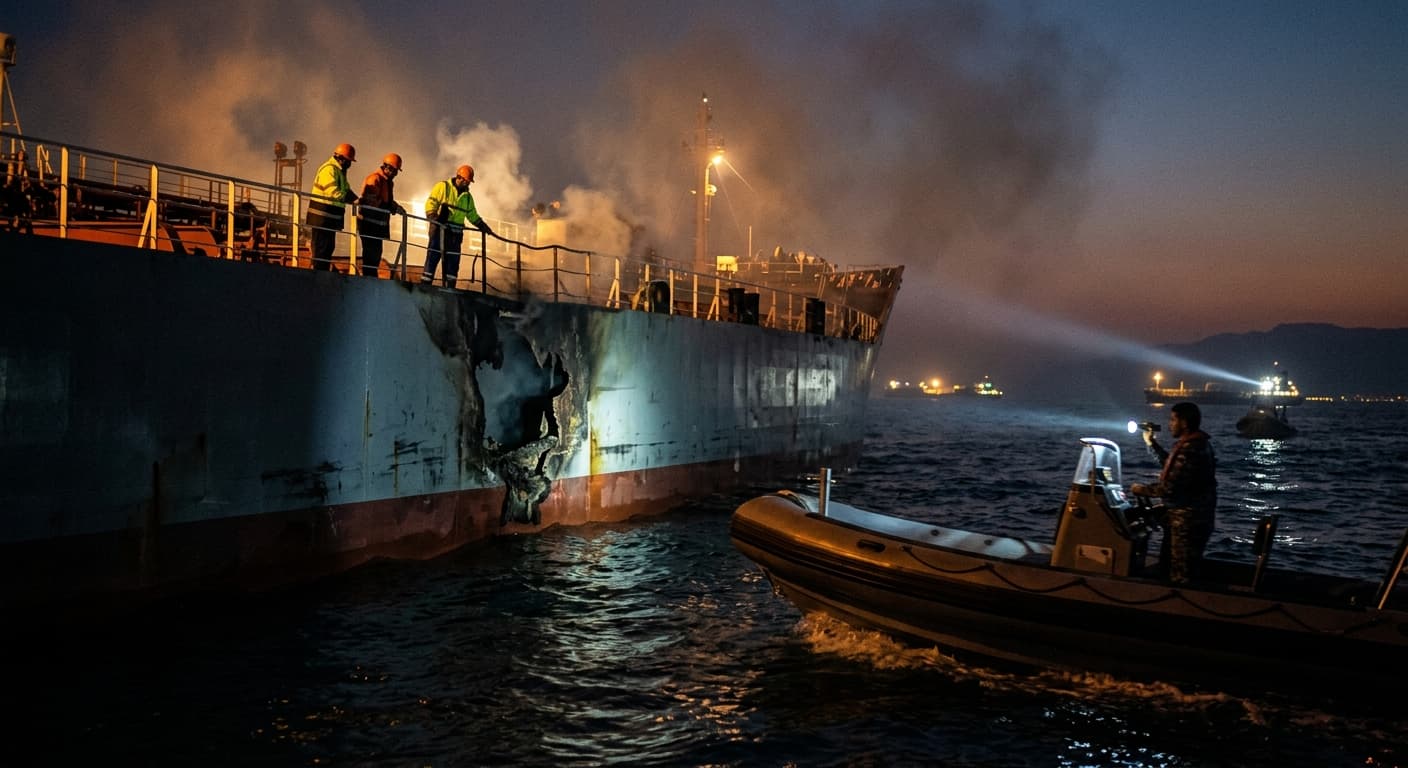
Iran's Hormuz Missile Strikes: A Toll Booth
Iran's missile attack on a Qatari-linked tanker highlights Tehran's strategy to control the Strait of Hormuz, impacting Gulf states and maritime law.
Tech Policy
Iran's Cavern Manticore Targets Israel's IT
Cavern Manticore, an Iran-linked hacking group, targets Israeli IT vendors, prompting a shift in Israel's cybersecurity policy and legislative efforts.