Iran Deal Push Splits Washington on Party
Lawmakers divide along party lines over Iran negotiations.
Model Diplomat3 min readNorth America
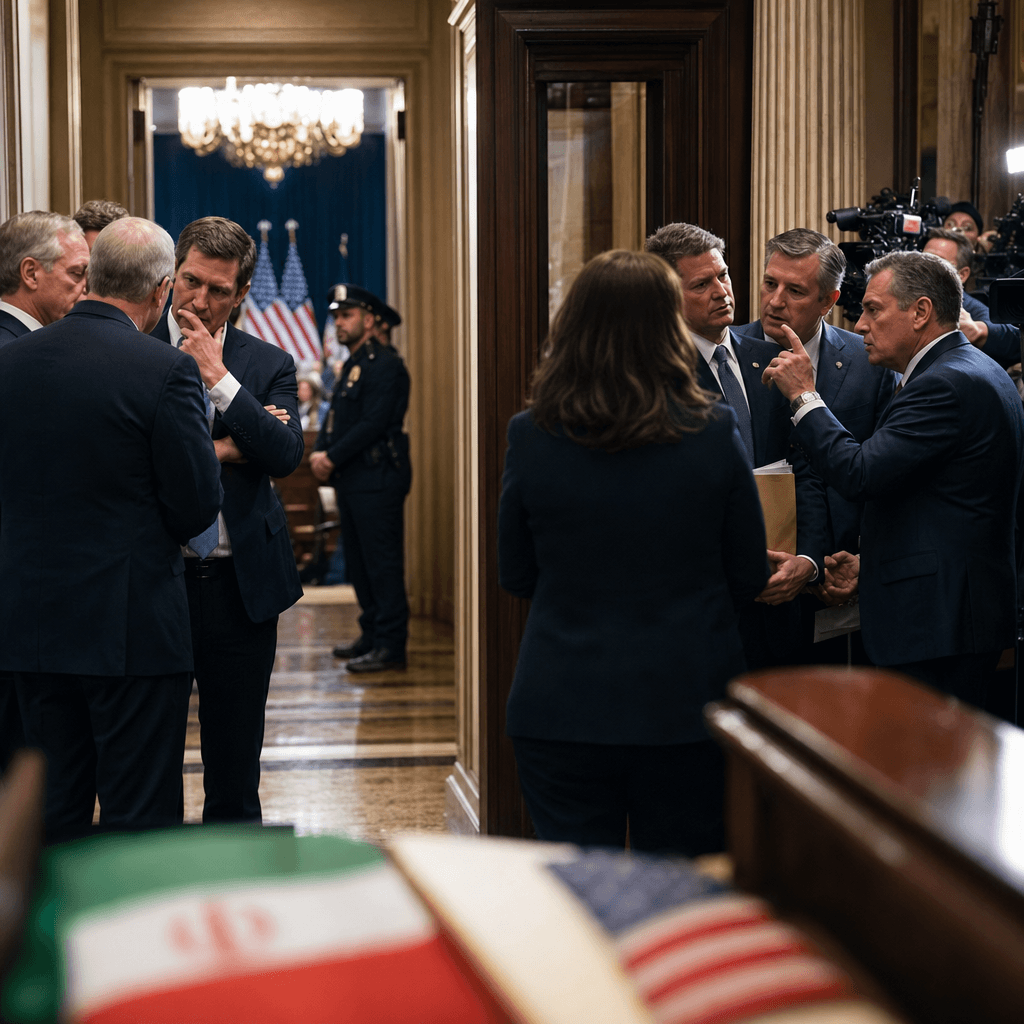
Iran Deal Push Splits Washington on Party Lines
Trump says a deal with Tehran is “largely negotiated,” but Congress is already sorting the opening into partisan camps over leverage, sanctions, and war powers.
A possible U.S.-Iran agreement is dividing lawmakers mostly by party before the text is even public. Republicans broadly back pressure on Tehran but are split between hawks warning of a giveaway and pragmatists who want the talks to run, while Democrats are seizing on the same opening to argue that President Donald Trump is trading away leverage too early, Reuters reported. The White House is presenting the moment as momentum, not closure: Secretary of State Marco Rubio said there may be “good news” on the Strait of Hormuz, but “not final news,”
Bloomberg reported.
The bargain gives both sides something to attack
The emerging framework matters because it is not a narrow ceasefire; it is a staged political trade. Under reporting by The Globe and Mail, regional officials say the deal would reopen the Strait of Hormuz, let Iran give up its stockpile of highly enriched uranium over time, and move sanctions relief and frozen funds into a 60-day negotiating window. That structure is exactly why it is vulnerable on Capitol Hill: Trump can sell it as de-escalation, but critics can argue it gives Iran immediate relief before nuclear constraints are locked in.
That split is already visible in public comments. BBC reported that Iran has said key nuclear questions would not be settled in an initial memorandum, while Trump insists any agreement must block Tehran from getting a nuclear weapon, BBC reported. For lawmakers, that is the core issue: if the first phase is mostly about reopening shipping and easing pressure, the administration is asking Congress to trust that tougher terms will follow later.
Congress is reading this through old partisan reflexes
This is not a clean replay of the 2015 nuclear deal fight, but the partisan geometry is familiar. Democrats are likely to frame any bargain that leaves the nuclear file for later as another example of Trump overpromising and under-delivering. Republicans, especially Iran hawks, are more likely to argue that Tehran is being rewarded while it still retains strategic assets. In Washington terms, that means the White House’s leverage is strongest before the text lands, when it can still claim progress and keep skeptics from rallying around a single failure point.
Some of the sharpest criticism has come from lawmakers who already treat Tehran as a bad-faith actor. Al Jazeera reported that Sen. Chris Van Hollen called the war a “blunder,” while Sen. Cory Booker said he was outraged that the deal did not directly settle the nuclear program. On the Republican side, Sen. Lindsey Graham warned that any arrangement giving Iran leverage over Hormuz would be a strategic mistake,
Al Jazeera reported. That is the fault line: Democrats are attacking the diplomacy as insufficient; Republicans are attacking it as too permissive.
For readers tracking the broader power play, this is where Global Politics and
United States politics meet: whoever defines the deal first may define its fate.
What to watch next
The next decision point is whether Trump publishes even a partial framework today and whether it survives the first public readout from Congress. If the White House confirms a staged arrangement, the fight shifts immediately to sanctions relief, uranium disposition, and whether lawmakers use this week’s war-powers votes to reassert congressional control, The Globe and Mail reported. The date that matters now is the next 48 to 72 hours: that is when the deal stops being a negotiating cloud and becomes a concrete political target.
Discover more
Global
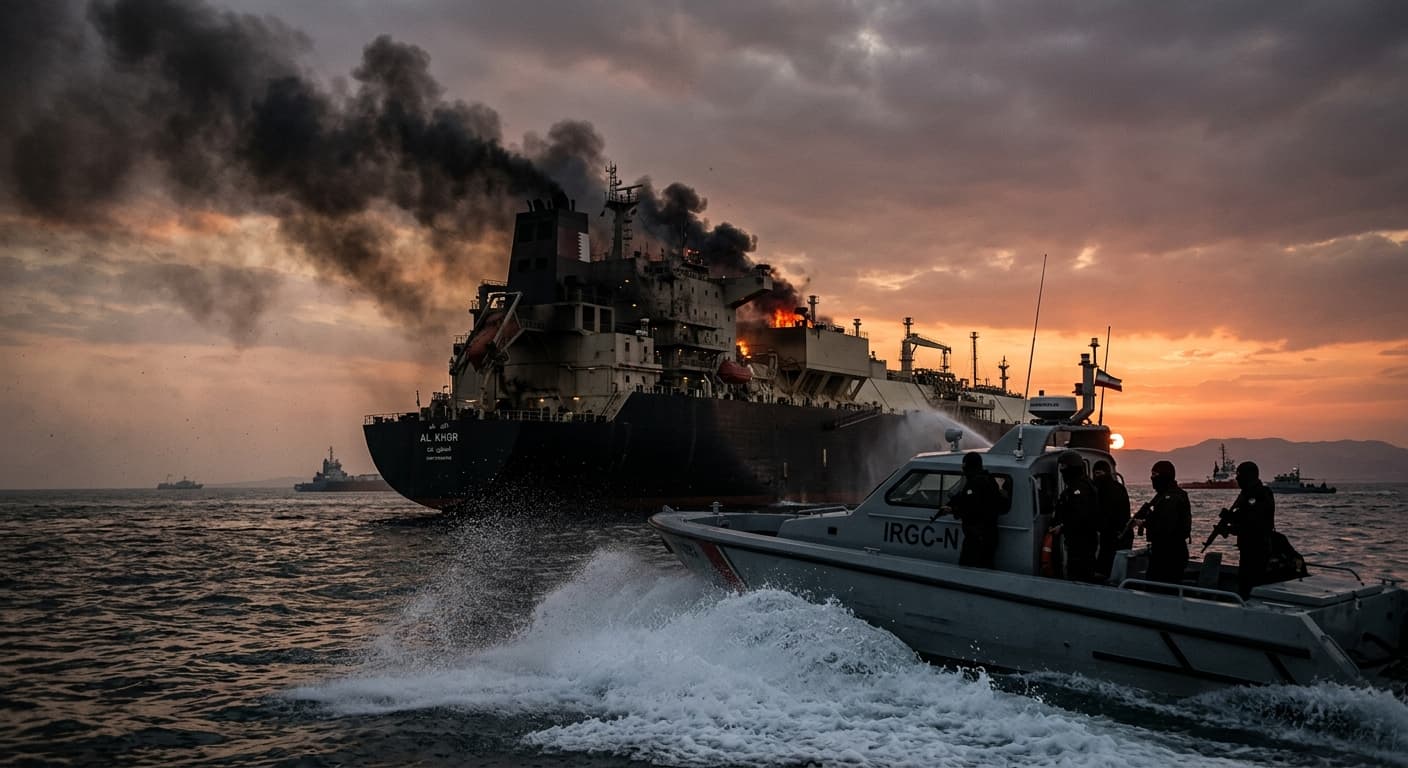
Qatari Tanker Strike Exposes Hormuz Tensions
A Qatari tanker was struck off Oman, revealing the fragility of the Hormuz ceasefire and Iran's influence over maritime security.
Global
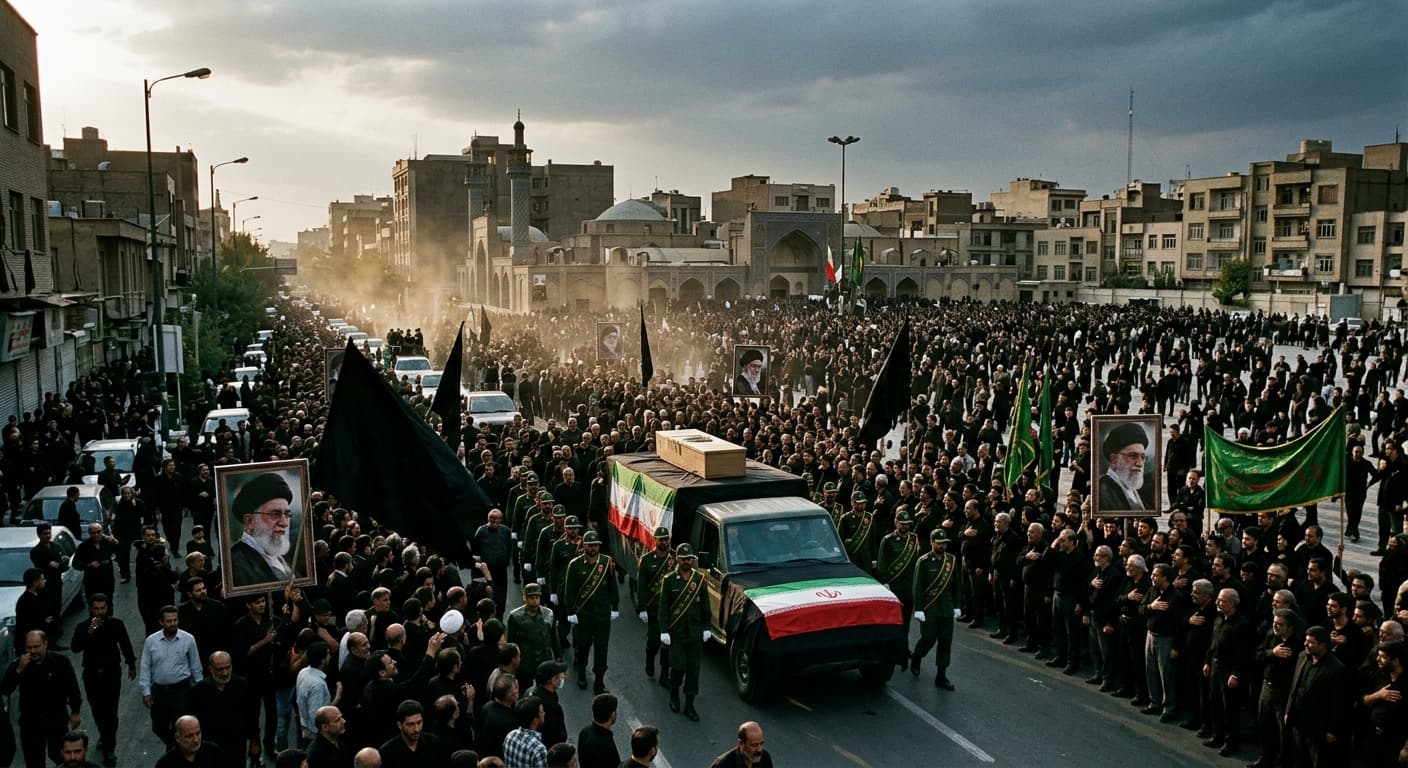
Khamenei's Funeral Signals Iran's Decline
The funeral of Ayatollah Khamenei highlights Iran's diminished influence in the Gulf, with regional powers now dictating terms.
Global
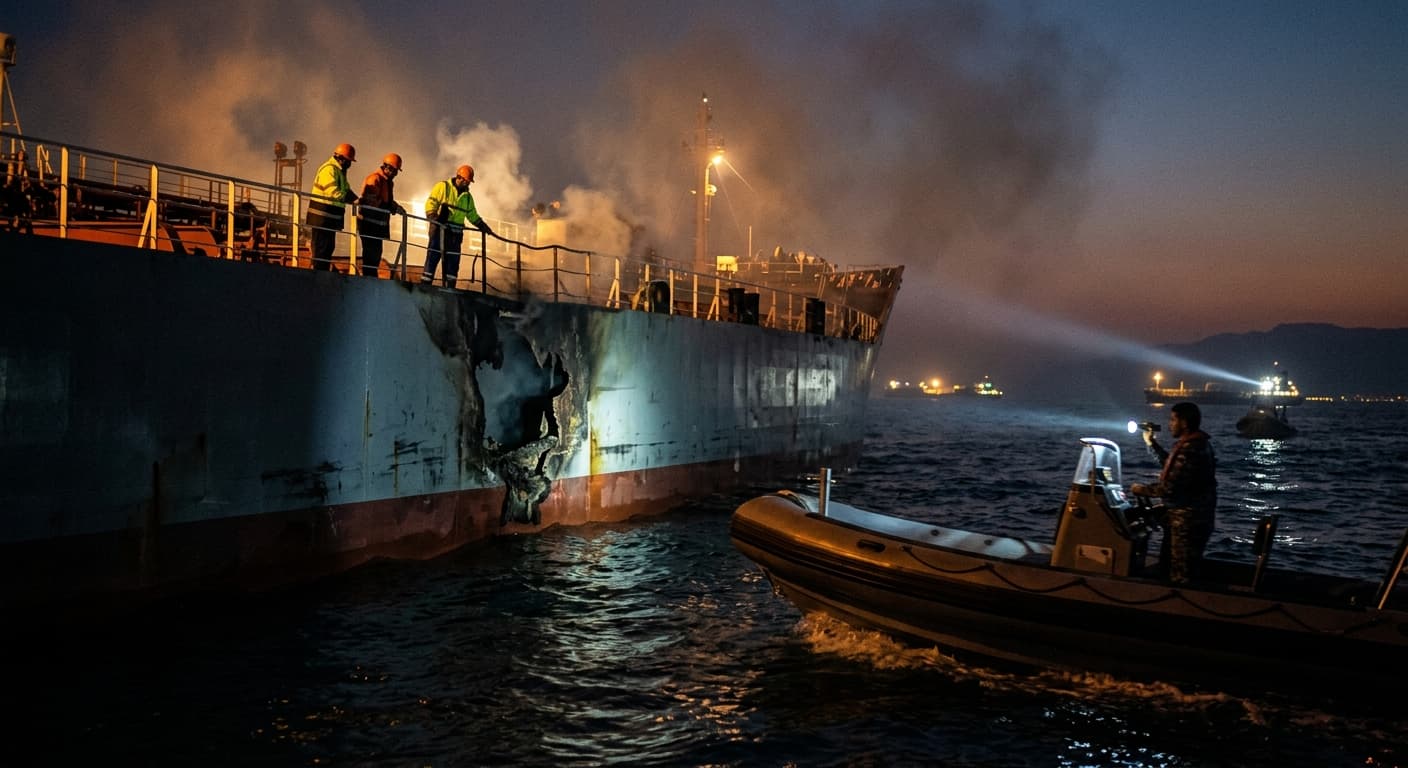
Iran's Hormuz Missile Strikes: A Toll Booth
Iran's missile attack on a Qatari-linked tanker highlights Tehran's strategy to control the Strait of Hormuz, impacting Gulf states and maritime law.

Tech Policy
Iran's Cavern Manticore Targets Israel's IT
Cavern Manticore, an Iran-linked hacking group, targets Israeli IT vendors, prompting a shift in Israel's cybersecurity policy and legislative efforts.