Iran Claims Upper Hand in Trump Deal Talks
Tehran seeks to frame negotiations as victories.
Model Diplomat3 min readMiddle East
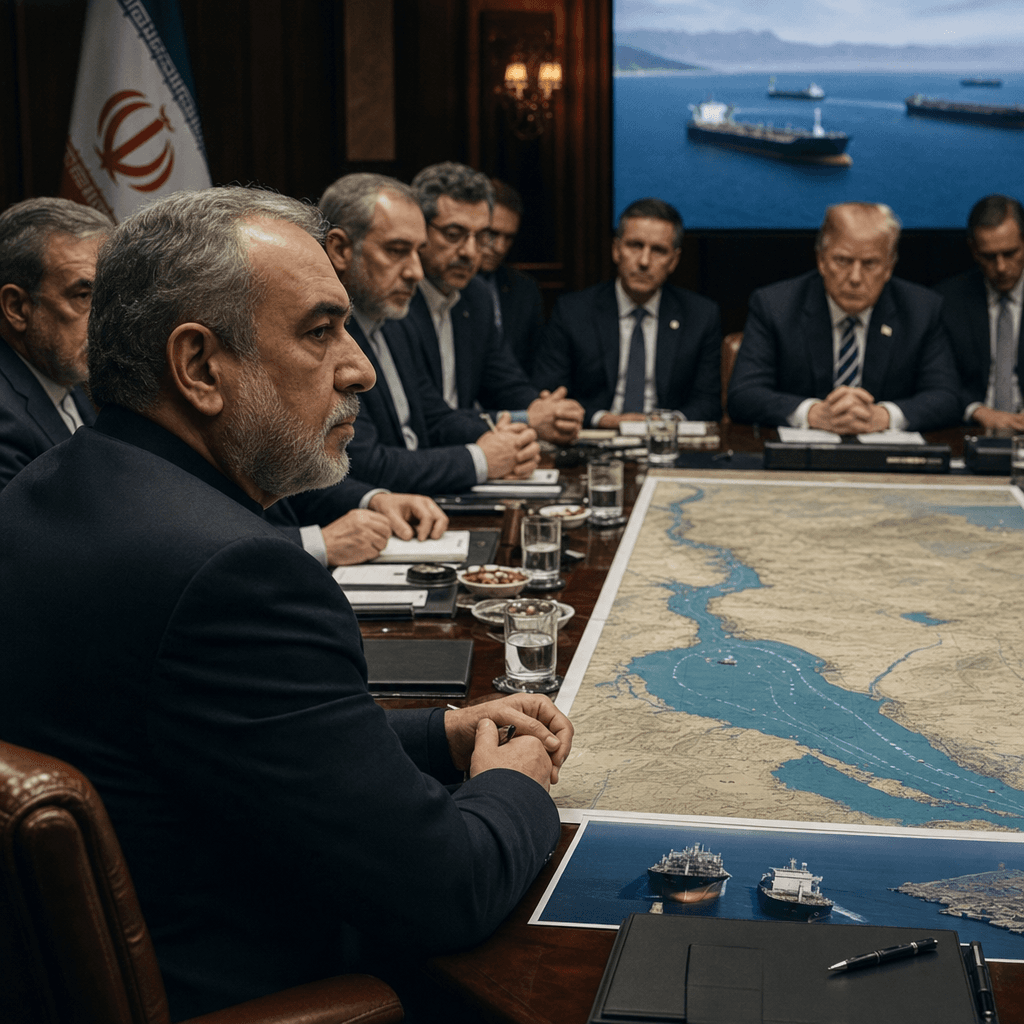
Iran Claims the Upper Hand as Trump Chases a Deal
Tehran is selling survival as victory while Trump races for a framework on Hormuz, sanctions relief and uranium before the details slip away.
Iran is trying to set the terms of the political story before the legal one is even written. Foreign Ministry spokesman Esmaeil Baqaei posted an image of a Roman emperor bowing to an Iranian ruler and said, in effect, that Iran is forcing the United States to come to terms, even as President Trump said an agreement to end the war and reopen the Strait of Hormuz was “largely negotiated” and nearing announcement, according to The Hill and the
BBC. The power play is obvious: Tehran wants to frame any pause as a victory for resistance, not a concession under fire.
Tehran’s message is leverage, not triumph
The historical analogy is doing diplomatic work. Iran has been battered for nearly three months, but Baqaei’s post is meant to tell domestic audiences and regional rivals that the regime survived, kept core leverage, and can still bargain from a position of strength, as The Hill noted. That matters because the reported framework does not settle the core dispute; it only creates space for one. The New York Times reported that U.S. and Iranian officials were still clashing over the fate of Iran’s enriched uranium and the scope of any nuclear constraints, while
Al Jazeera said Tehran was still pushing a framework agreement rather than a final settlement. For Iran, that is the point: keep the uranium question alive, keep sanctions relief on the table, and avoid surrender language.
For the United States, this is a bargaining problem, not a victory lap. Trump needs an outcome that can be sold as de-escalation, not retreat.
CNBC reported that Trump said the naval blockade would remain until an agreement is “certified, and signed,” and that he warned Iran it cannot obtain a nuclear weapon. That is the leverage he is using: keep pressure on shipping and markets until Tehran accepts enough restraint to let him declare success.
The real prize is Hormuz, not rhetoric
The Strait of Hormuz is the center of gravity. The BBC said the proposed deal would reopen the waterway, which carries around a fifth of the world’s oil and gas flows, while The Hill reported that the closure had driven energy prices higher and intensified pressure on Trump from Republicans worried about the midterms. That makes the talks bigger than Iran policy. They are now a test of whether Trump can stabilize energy markets without giving Israel or congressional hawks the impression he has accepted an Iranian nuclear breakout.
That is why Benjamin Netanyahu’s reaction matters. CNBC reported that Netanyahu said any deal must include dismantling Iran’s enrichment sites and removing enriched material from Iranian territory. That is a much harder line than the one floating through the talks. The gap between Trump’s “largely negotiated” language and Israel’s maximalist demands tells you the deal is still a framework for further bargaining, not a closing of the file.
What to watch next
The next decision point is whether the White House and Tehran actually publish a joint text, and whether Iran’s supreme leader and Trump both sign off on it. If that does not happen in the next few days, the “deal is close” narrative will look less like a breakthrough than a pressure tactic. If it does, the next fight shifts to the 30- to 60-day follow-on talks on uranium, sanctions relief and the Strait of Hormuz — the part that will decide whether this is a pause or an end.
Discover more
Global
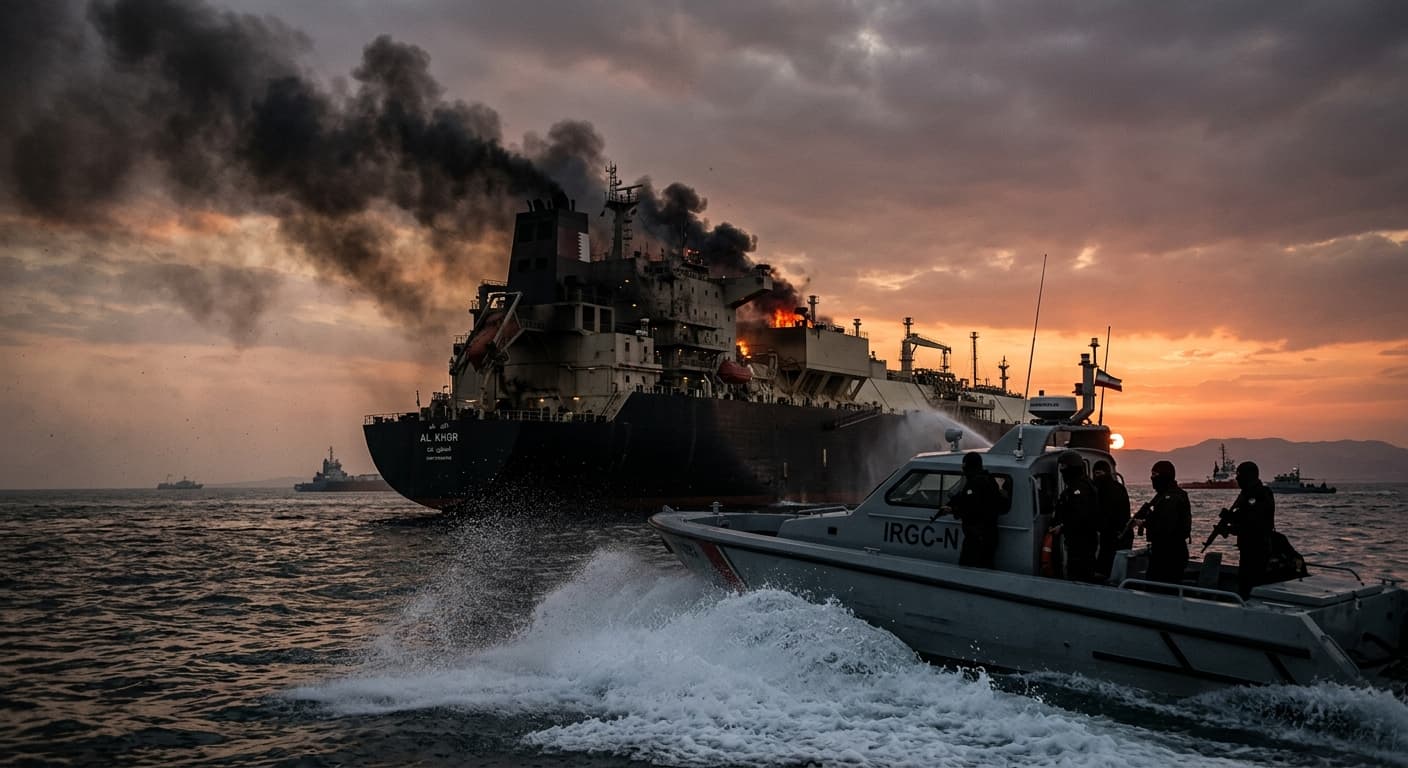
Qatari Tanker Strike Exposes Hormuz Tensions
A Qatari tanker was struck off Oman, revealing the fragility of the Hormuz ceasefire and Iran's influence over maritime security.
Global
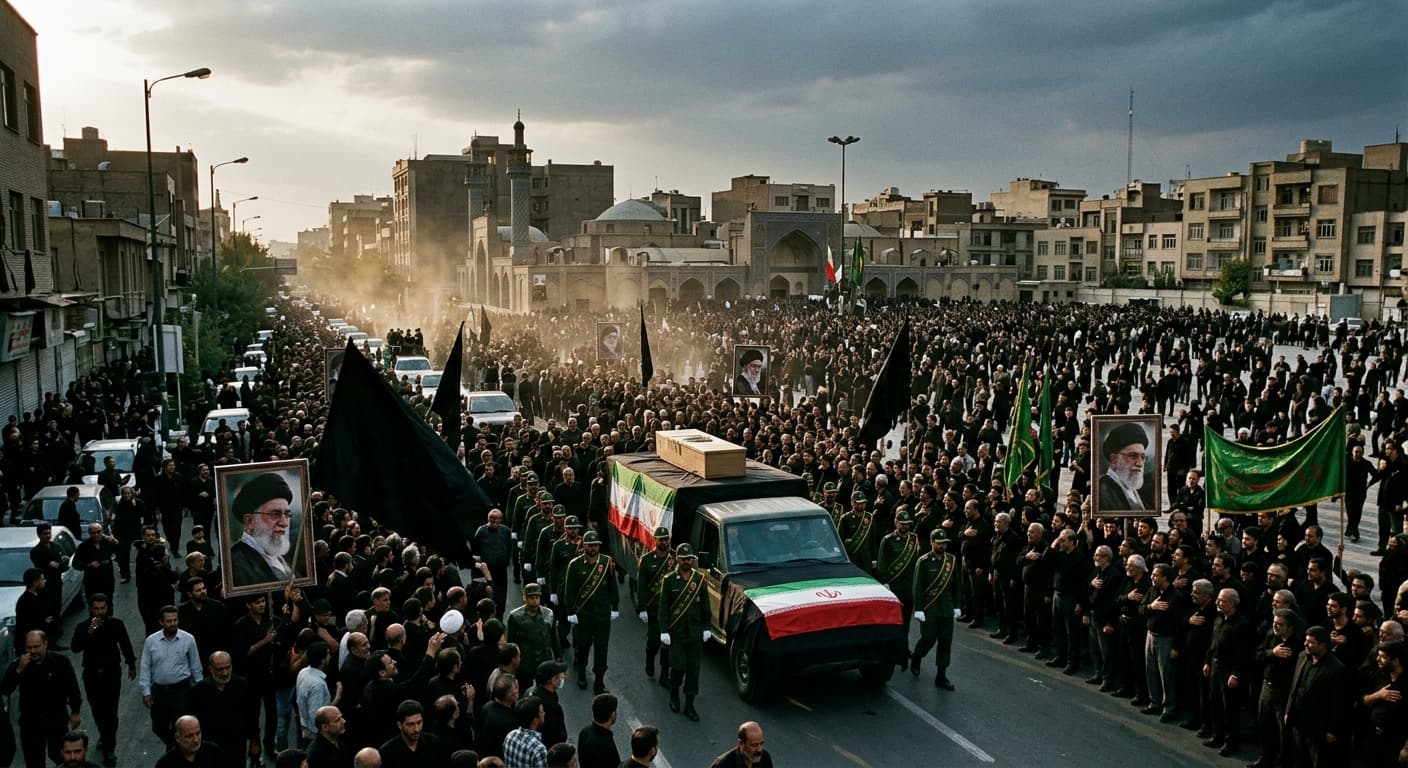
Khamenei's Funeral Signals Iran's Decline
The funeral of Ayatollah Khamenei highlights Iran's diminished influence in the Gulf, with regional powers now dictating terms.
Global
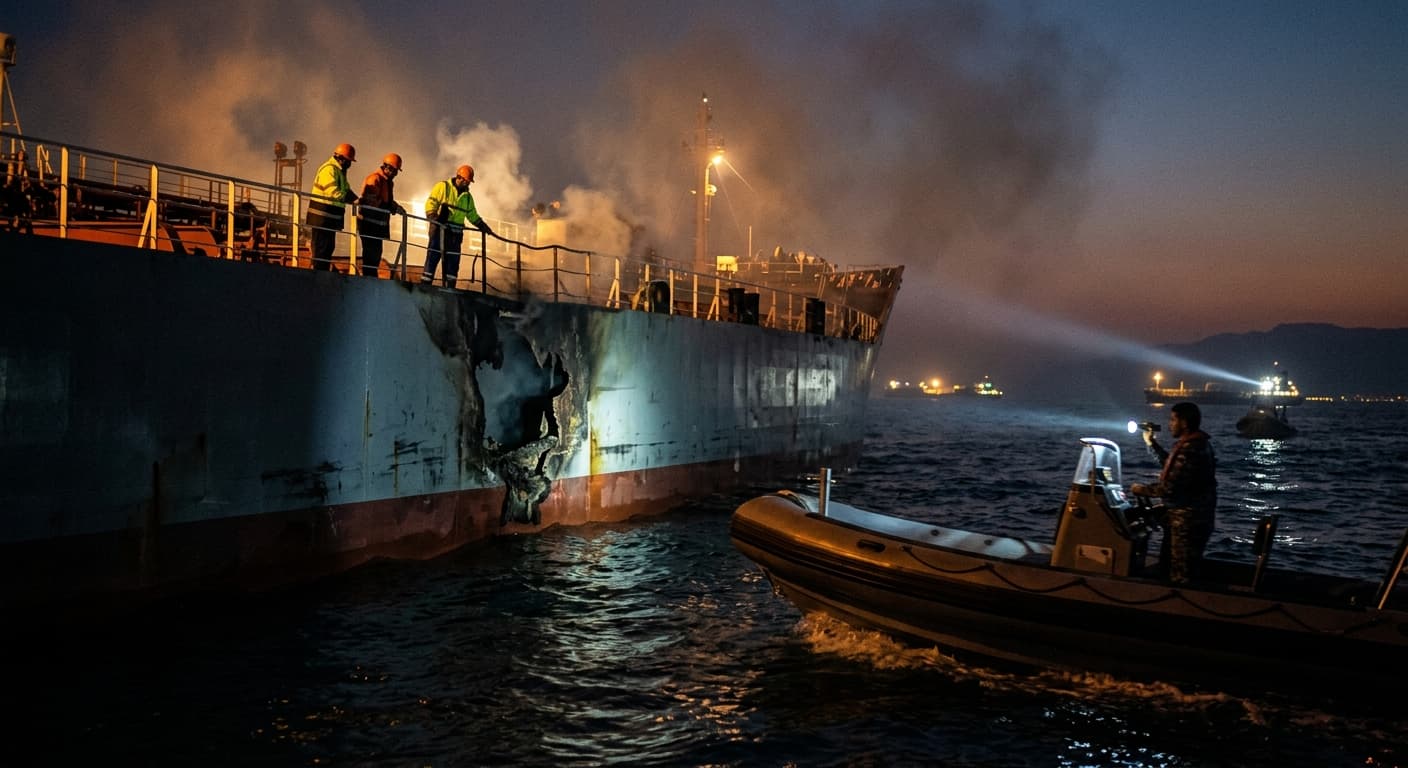
Iran's Hormuz Missile Strikes: A Toll Booth
Iran's missile attack on a Qatari-linked tanker highlights Tehran's strategy to control the Strait of Hormuz, impacting Gulf states and maritime law.

Tech Policy
Iran's Cavern Manticore Targets Israel's IT
Cavern Manticore, an Iran-linked hacking group, targets Israeli IT vendors, prompting a shift in Israel's cybersecurity policy and legislative efforts.