Iran Checks Rubio’s Hype on US Deal
Tehran pushes back on claims of imminent agreement.
Model Diplomat3 min readMiddle East
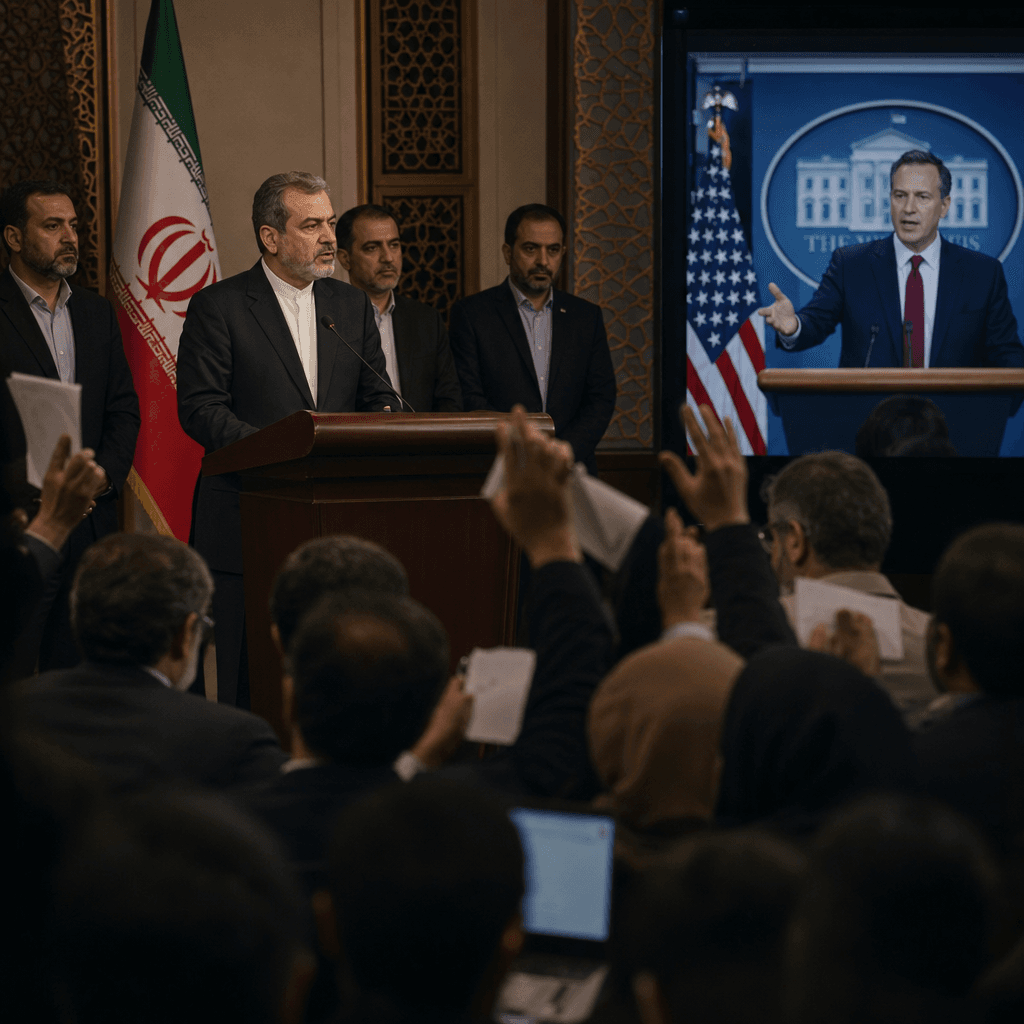
Iran Checks Rubio’s Hype as US Deal Talk Fails to Gel
Tehran says talks have advanced, but no signature is near. That keeps leverage over Hormuz, sanctions relief and Trump’s diplomacy.
Iran has pushed back on Marco Rubio’s claim that a deal could land almost immediately, with Foreign Ministry spokesman Esmail Baqaei saying progress has been made but “no one can say” an agreement is imminent, according to BBC News Mundo. Rubio, speaking in New Delhi, said Washington thought it might have news “last night, maybe today” and described a “pretty solid thing” on the table around reopening the Strait of Hormuz and moving into nuclear talks,
BBC News reported. That gap is the story: Trump’s team is trying to sell momentum, while Tehran is refusing to let Washington define the pace or the terms.
Hormuz is the bargaining chip, not the prize
The leverage sits in the sequence. Washington wants the Strait of Hormuz reopened and Iranian shipping normalized; Tehran wants the US blockade on Iranian ports lifted and some frozen assets released before it gives ground on uranium, BBC News Mundo and
Al Jazeera reported. What is being discussed looks less like a final treaty than a framework: a 60-day bridge on ceasefire and maritime access, with the nuclear file pushed into a second phase,
BBC News and
Infobae said.
That structure matters because it gives both sides room to claim progress without paying the full price. Tehran can say it has not surrendered on enrichment. Washington can say it has forced movement on shipping and containment. For readers tracking Global Politics, the important point is that the real fight is not over a headline announcement; it is over who moves first.
Trump wants optics; Iran wants sequencing
Trump needs the optics more than the text. He has already told the public the agreement is “largely negotiated,” while also warning negotiators not to rush, BBC News reported. That gives him room to claim deterrence, diplomacy and toughness at once. It also helps explain why markets reacted so fast: BBC Mundo reported that oil prices fell sharply and Asian stocks rose on Monday as traders priced in a possible thaw,
BBC News Mundo said.
Iran’s incentives are different. By denying Rubio’s timeline, Tehran avoids looking cornered and keeps pressure on sanctions relief and frozen assets, which US media cited as central unresolved issues, BBC News Mundo and
Infobae reported. Israel is the loser if this settles into a phased bargain; Benjamin Netanyahu wants a harder outcome that strips Iran’s nuclear capacity, not a process that postpones the core issue.
What to watch next
The next decision point is whether the two sides can agree on the order of operations: shipping first, sanctions next, nuclear limits later. If a memorandum is real, the first evidence will be concrete language on frozen funds, port access and how quickly Hormuz reopens, Al Jazeera and
BBC News reported. If those details stay vague, Rubio’s “maybe today” line was not a breakthrough — it was pressure dressed up as momentum.
Discover more

Global
Qatari Tanker Strike Exposes Hormuz Tensions
A Qatari tanker was struck off Oman, revealing the fragility of the Hormuz ceasefire and Iran's influence over maritime security.
Global
Khamenei's Funeral Signals Iran's Decline
The funeral of Ayatollah Khamenei highlights Iran's diminished influence in the Gulf, with regional powers now dictating terms.

Global
Iran's Hormuz Missile Strikes: A Toll Booth
Iran's missile attack on a Qatari-linked tanker highlights Tehran's strategy to control the Strait of Hormuz, impacting Gulf states and maritime law.

Tech Policy
Iran's Cavern Manticore Targets Israel's IT
Cavern Manticore, an Iran-linked hacking group, targets Israeli IT vendors, prompting a shift in Israel's cybersecurity policy and legislative efforts.