India's Women's Quota Bill Fails
A critical analysis of the failed women's reservation bill in India
Model Diplomat3 min readIndia

India's Women's Quota Bill Dies in Parliament — And Both Parties Own the Wreckage
The 131st Constitution Amendment Bill failed on April 17, exposing how BJP bundled a popular cause with a divisive power grab — and how Congress let it.
The Constitution (131st Amendment) Bill, 2026 — the government's mechanism to finally implement the 33% women's reservation promised by the Nari Shakti Vandan Adhiniyam (NSVA) of 2023 — was defeated in the Lok Sabha on April 17 by a vote of 298 in favour, 230 against, falling short of the required two-thirds majority. Congress's charge that BJP is "playing politics over women's quota" is accurate. So is the reverse.
The Bundling Trap
The BJP's strategic error — or gambit, depending on your read — was tying women's reservation to a sweeping delimitation exercise that would expand the Lok Sabha from 543 to 816 seats based on the 2011 Census. The Cabinet cleared the package on April 8, framing it as a single reform. Home Minister Amit Shah argued delimitation was necessary to fix skewed voter-to-MP ratios. PM Modi claimed southern states would gain seats — from 129 to 195 — under the enlarged House.
Opposition parties, led by Congress, didn't buy it. Rahul Gandhi called the bill "a step to redraw the electoral map," and the INDIA bloc coordinated against it. Congress's preferred counter — implement the 33% quota across the existing 543 seats — would have achieved women's representation without the politically explosive constituency redraw that punishes demographically slower-growing northern states. Sonia Gandhi and Mallikarjun Kharge consistently framed delimitation, not women's rights, as the real stakes.
They're not wrong. Delimitation based on post-2000 population trends would shift significant parliamentary weight toward BJP's northern heartland states, diluting the influence of Congress-aligned southern and northeastern constituencies. The reservation bill was the political cover.
Who Loses Most
Women candidates are the clearest losers. The 2023 NSVA passed with unanimous cross-party fanfare — and has now sat unimplemented for nearly three years. The 15-year sunset clause on the reservation took effect April 16, 2026, meaning the clock is running on a law that has no operational mechanism. Without new legislation, 33% female representation will not be in place before the 2029 general elections, according to
The Hindu's analysis.
Southern state parties — DMK, CPI(M), regional formations — secured a blocking coalition by aligning with Congress. They preserved their seat counts for now. BJP's NDA alliance takes reputational damage on a signature women's empowerment narrative it has cultivated since 2014.
What to Watch Next
The government signalled that the two related enabling bills — for Union Territories and implementation machinery — will also not move forward in isolation. That means the legislative calendar is effectively reset.
Three pressure points now govern the timeline: the 2027 delimitation commission deadline, the 2029 Lok Sabha election, and whether Congress or the INDIA bloc moves to propose a standalone implementation bill using the existing 543-seat framework — which would force BJP to either accept it or publicly block women's representation without the delimitation shield.
The next real decision point is the monsoon session of Parliament, expected July–August 2026. If the government reintroduces a delinked bill, Congress loses its cover. If it doesn't, BJP's "Nari Shakti" brand absorbs another credibility hit heading into state assembly cycles.
Watch Indian politics closely — the reservation debate is now a live electoral variable for 2027 state elections in Bihar, Delhi, and Uttar Pradesh.
Discover more
India
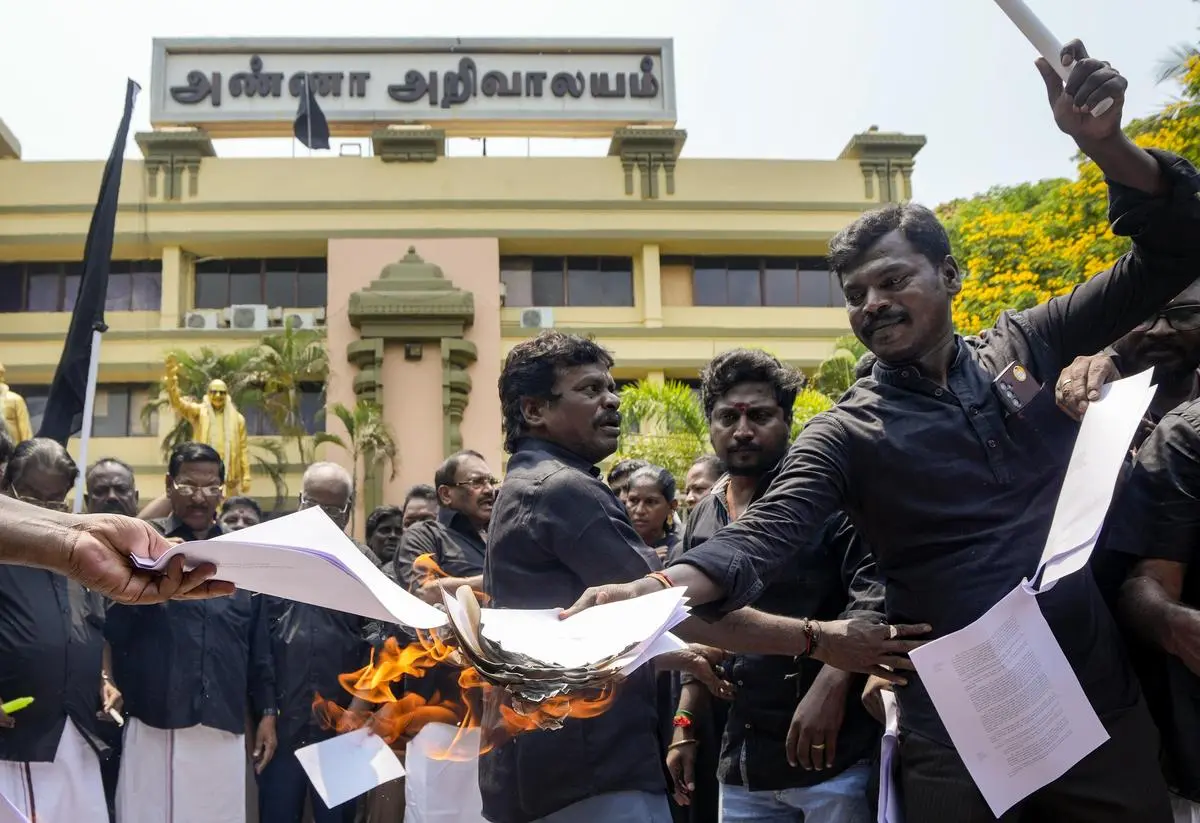
Women’s Reservation Bill 2026
The Constitution (131st Amendment) Bill, 2026 was defeated in Lok Sabha, revealing deeper political conflicts over women's reservation and delimitation.
India
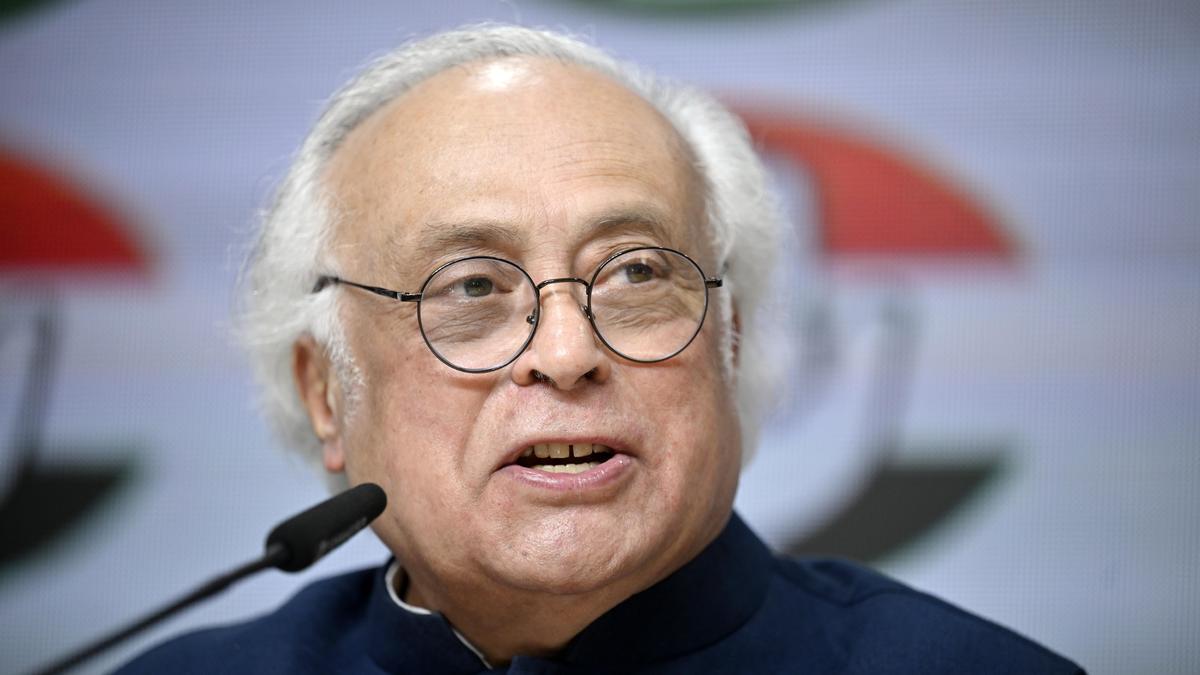
Congress Accuses Modi of Stalling Women's Law
Congress accuses Modi of stalling women's reservation law by linking it to delimitation, revealing a deeper electoral strategy.

Conflict & Security
Drone Warfare Killing Aid Workers at Unprec
Over 1,000 humanitarian workers killed in three years as cheap armed drones collapse legal protections. Gaza, Sudan, Ukraine, and DRC see deliberate targeting of aid convoys and hospitals with zero prosecutions.

Global
World Normalises Taliban as Afghan Women Eras
UN data shows Afghan women erased from public life as Russia recognises the Taliban, EU hosts officials in Brussels, and ICC warrants for gender persecution go unenforced.