India's Wildlife Crime Data Gaps Explained
NCRB data fails to capture full scope of wildlife crime in India
Model Diplomat2 min readAsia
India’s Wildlife Crime Data Miss Where Cases Are Made
India’s NCRB counts capture only the police-facing slice of wildlife crime, leaving forest-department cases and trafficking patterns largely off the national map.
India’s wildlife-crime picture is being shaped by the wrong institution. The NCRB’s headline numbers capture only a fraction of offences, while many cases under the Wildlife (Protection) Act are handled by state forest departments and remain largely invisible in national crime tallies, according to Frontline’s latest reporting. That leaves New Delhi and state capitals with a cleaner national dashboard than the enforcement reality on the ground. Frontline
Why the gap matters
The power implication is straightforward: governments benefit from a lower national count; forest agencies lose leverage in budget, staffing and policy debates. NCRB is not necessarily “wrong” so much as narrow — it records what enters police-based crime systems. But wildlife enforcement in India often runs through a parallel chain of detection, seizure and prosecution led by forest officials. When those cases do not feed the national crime narrative, the state systematically understates the scale of poaching, illegal trade and habitat-linked offences. Frontline
That matters operationally. In Kerala, forest flying squads intensified anti-poaching patrols in 2025, and officials said more than 3,500 forest-crime cases were registered in the state over the previous five years, mostly involving poaching, illegal forest entry and wildlife seizures. Those are enforcement loads with real manpower and intelligence costs, whether or not they appear in NCRB’s headline wildlife-crime count. The Hindu
The distortion is bigger because wildlife crime is not confined to protected forests. A 2025 study highlighted by The Hindu found Punjab — India’s least forested major state — still showed concentrated wildlife-crime hotspots, with incidents tied to bushmeat markets, transit hubs and international trafficking links. If crime mapping is built mainly around police-registered wildlife cases, India will keep undercounting offences in the very landscapes where illegal trade is adapting fastest. The Hindu
For more on the domestic political angle, see Diplomat’s India coverage and broader
international reporting.
What this changes
Trafficking networks are the biggest winners from fragmented data. In September 2025, the Supreme Court sought the Centre’s response on a plea for a CBI probe into a tiger-poaching ring, underscoring that top-tier wildlife crime already exceeds routine local policing capacity. A system that separates forest cases from national crime visibility makes it harder to spot patterns across states, prioritize syndicates and justify central intervention early. The Hindu
What to watch next
The next real test is bureaucratic, not judicial: whether the Union government moves to integrate forest-department case data into the next NCRB reporting cycle, or at least publishes a reconciled wildlife-crime series alongside it. If that does not happen, India will keep measuring wildlife crime where the paperwork is easiest, not where enforcement is actually happening.
Discover more

India
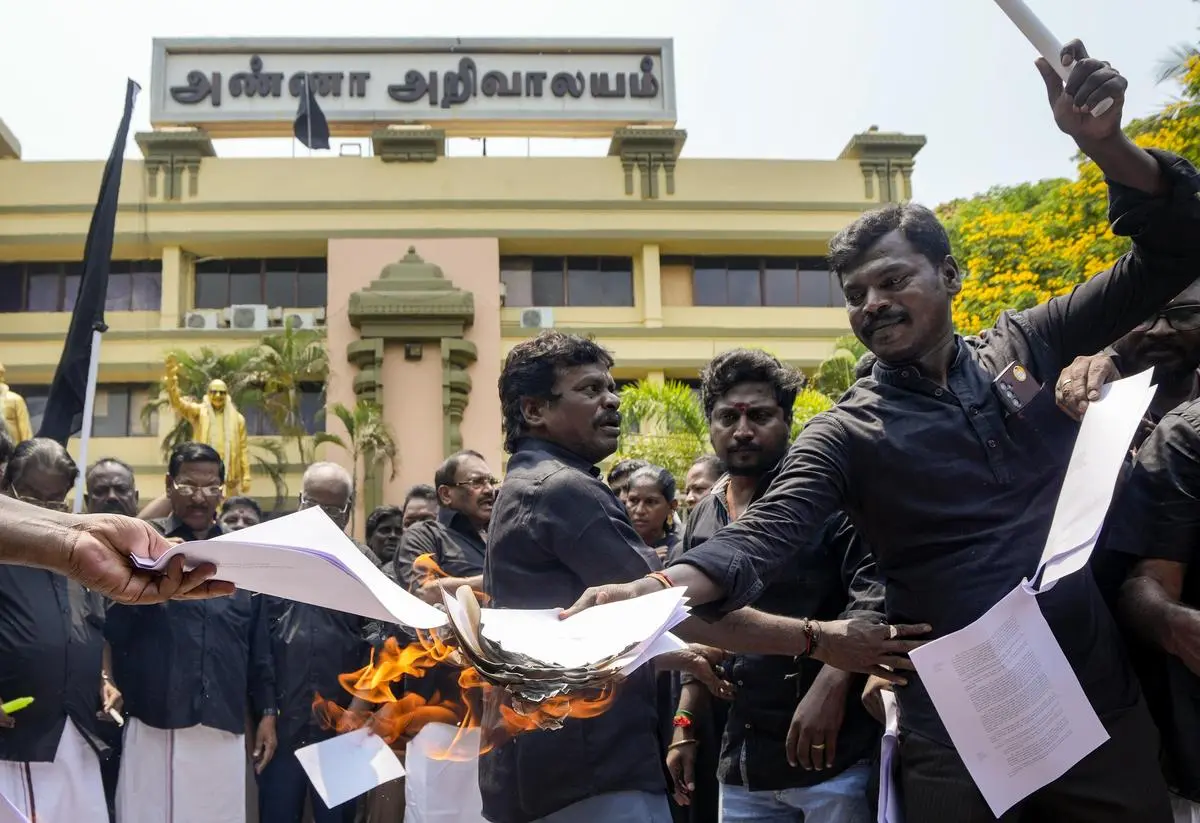
CPI(M) Calls to Decouple Quota from Delimita
CPI(M) advocates for a 33% women's quota in Lok Sabha by 2029, removing the need for delimitation and census linkage.
India
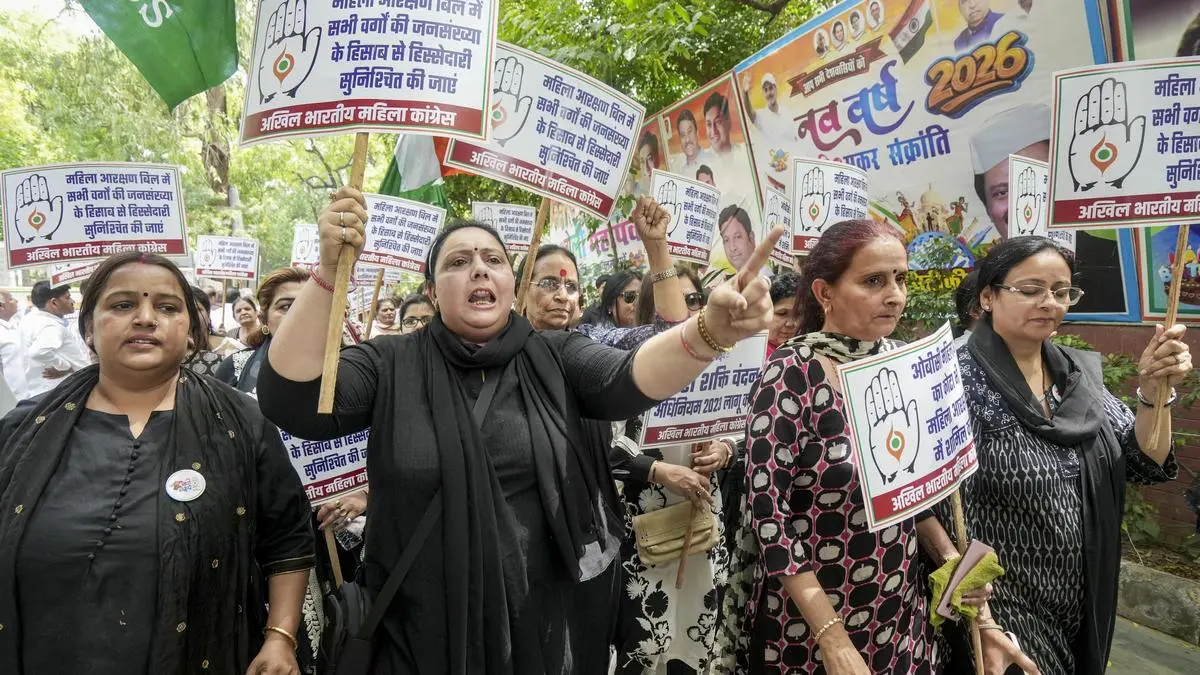
Women’s Reservation Bill 2026
The Constitution (131st Amendment) Bill, 2026 was defeated in Lok Sabha, revealing deeper political conflicts over women's reservation and delimitation.
India
BJP's Misunderstanding of Women's Quota Needs
The BJP's linking of the Women Reservation Bill to delimitation risks delaying women's empowerment in India, misreading the aspirations of female voters.

Conflict & Security
Drone Warfare Killing Aid Workers at Unprec
Over 1,000 humanitarian workers killed in three years as cheap armed drones collapse legal protections. Gaza, Sudan, Ukraine, and DRC see deliberate targeting of aid convoys and hospitals with zero prosecutions.