India's Social Justice Shivir
Chandigarh conclave highlights tensions over caste and reservations
Model Diplomat3 min readIndia

Good — I now have rich context on the broader social justice policy landscape in India in April 2026. The Chandigarh Chintan Shivir appears to be a government-organized (not Congress) conclave reviewing social welfare schemes — similar to the April 2025 Dehradun edition chaired by Union Minister Virendra Kumar. Let me write the analysis now.
India's Social Justice Shivir Lands Amid a Caste Politics War
A three-day conclave in Chandigarh closes just as the Modi government and Congress are locked in an escalating fight over reservations, delimitation, and the caste census.
The three-day Chintan Shivir on Social Justice concluded in Chandigarh on April 26, bringing together state ministers responsible for Backward Classes, SC, and ST welfare under the banner of the Union Ministry of Social Justice and Empowerment. On the surface, a routine policy review. In the current political climate, anything but.
The Battlefield It Landed In
The Shivir closes into one of the most combustible caste-politics moments India has seen in years. Three overlapping fights are live simultaneously:
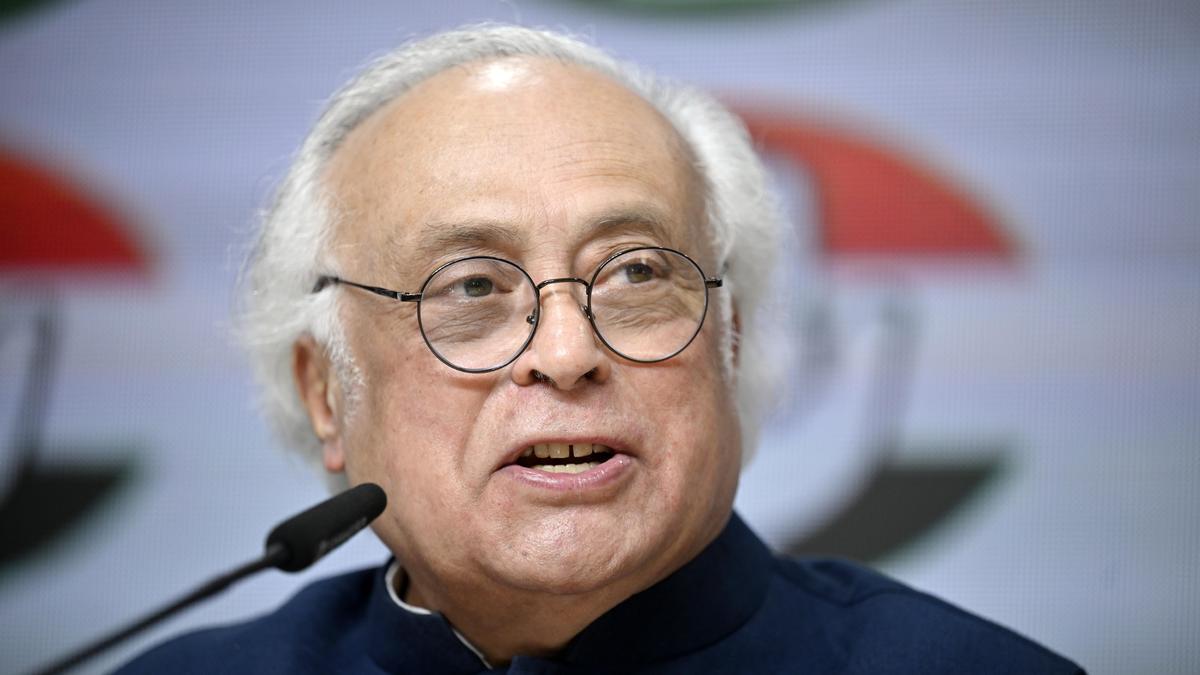
First, the delimitation confrontation. Congress's Jairam Ramesh accused the Modi government this week of deploying delimitation Bills as a vehicle to sidestep caste census data — arguing the proposals contradict prior assurances on proportional seat growth and are designed to disadvantage OBC women's reservation. The BJP has not conceded ground. Source: The Hindu
Second, the women's reservation stall. The National Coalition for Women's Reservation is demanding the government bring the quota Bill to the Monsoon Session without conditionalities — stripping out the linkage to delimitation and the Census that effectively freezes the 33% representation target. The condition-free demand is backed by CPI and allied groups, putting pressure on both BJP and the opposition to move. Source: The Hindu
Third, Dalit Christian reservation. The South India Baptist Association is pressing the Centre to implement the Ranganath Misra Commission recommendations and extend SC reservation benefits to Dalit Christians — a long-standing demand that, if granted, would redraw beneficiary maps across jobs and education. Source: The Hindu
At the state level, Odisha this month expanded ST and SC quotas in engineering seats and introduced OBC reservation in medical and technical education — a unilateral BJP-governed state move that signals where the political incentive structure currently sits. Source: The Hindu
Who Holds Leverage Here
The BJP controls the Shivir's framing and can use its conclusions to demonstrate administrative seriousness on social justice — critical optics ahead of any pre-Monsoon Session positioning. Congress holds the opposition narrative on caste census and delimitation, keeping the BJP perpetually on defense over its intentions toward OBC voters, who remain the decisive arithmetic in most swing states.
The Monsoon Session — likely July 2026 — is the next hard decision point. If the government brings the women's reservation Bill without conditionalities, it absorbs the opposition's sharpest attack. If it delays again, Congress and allied groups have a clean line into the Bihar elections cycle.
For deeper context on India's shifting caste coalition politics and its effect on
international democratic governance trends, the Chandigarh Shivir is a microcosm — but the Monsoon Session vote is the one that actually counts.
Watch: Whether the delimitation Bills are tabled before or after a caste census timeline is announced. That sequencing tells you everything about who the government thinks it can afford to lose.
Discover more
India
Congress Accuses Modi of Stalling Women's Law
Congress accuses Modi of stalling women's reservation law by linking it to delimitation, revealing a deeper electoral strategy.

Conflict & Security
Drone Warfare Killing Aid Workers at Unprec
Over 1,000 humanitarian workers killed in three years as cheap armed drones collapse legal protections. Gaza, Sudan, Ukraine, and DRC see deliberate targeting of aid convoys and hospitals with zero prosecutions.

Global
World Normalises Taliban as Afghan Women Eras
UN data shows Afghan women erased from public life as Russia recognises the Taliban, EU hosts officials in Brussels, and ICC warrants for gender persecution go unenforced.
Conflict & Security
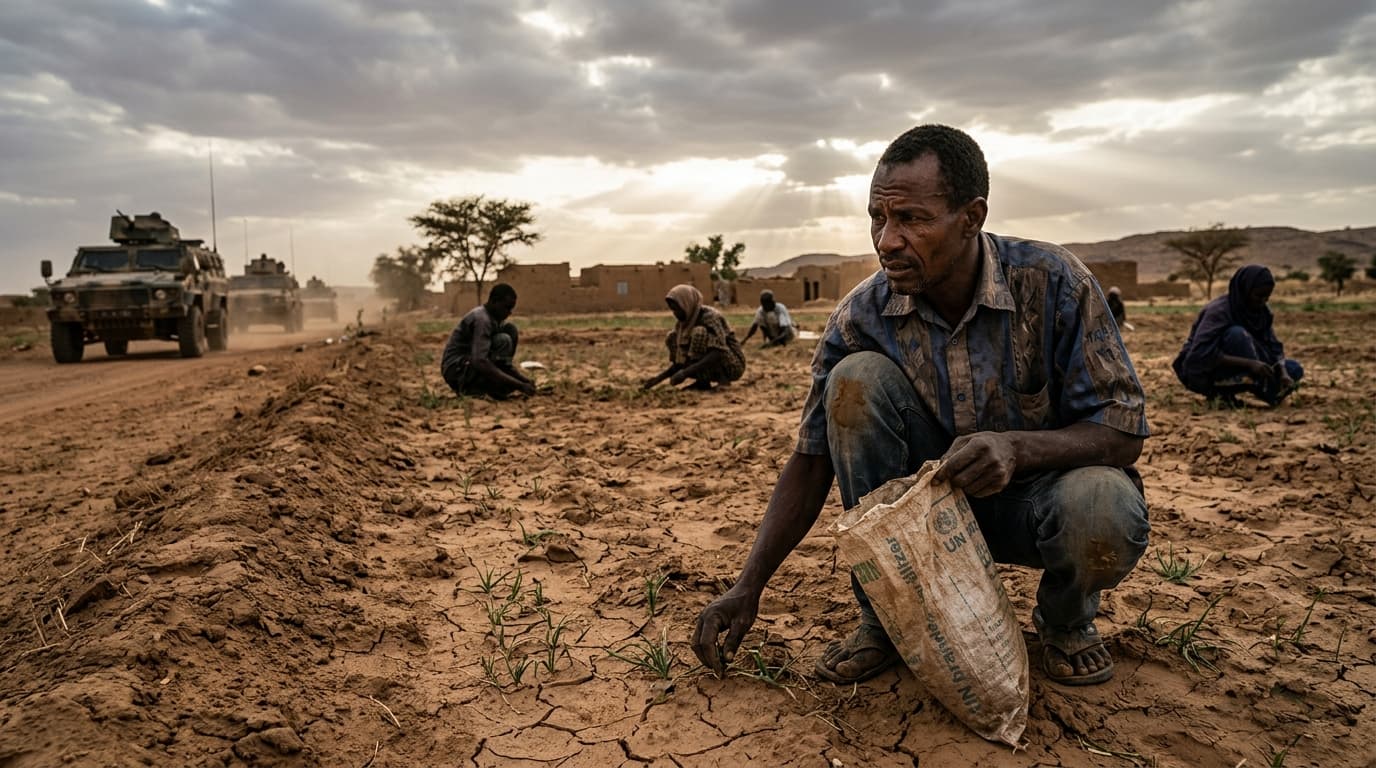
West Africa Food Crisis: Three Shocks in 2026
Conflict, climate extremes, and the Strait of Hormuz closure drive a severe food crisis in West and Central Africa, with fertilizer prices surging 80% and millions displaced.