Opposition Seeks Removal of CEC Gyanesh Kumar
Opposition files second motion against CEC amid political tensions.
Model Diplomat3 min readIndia
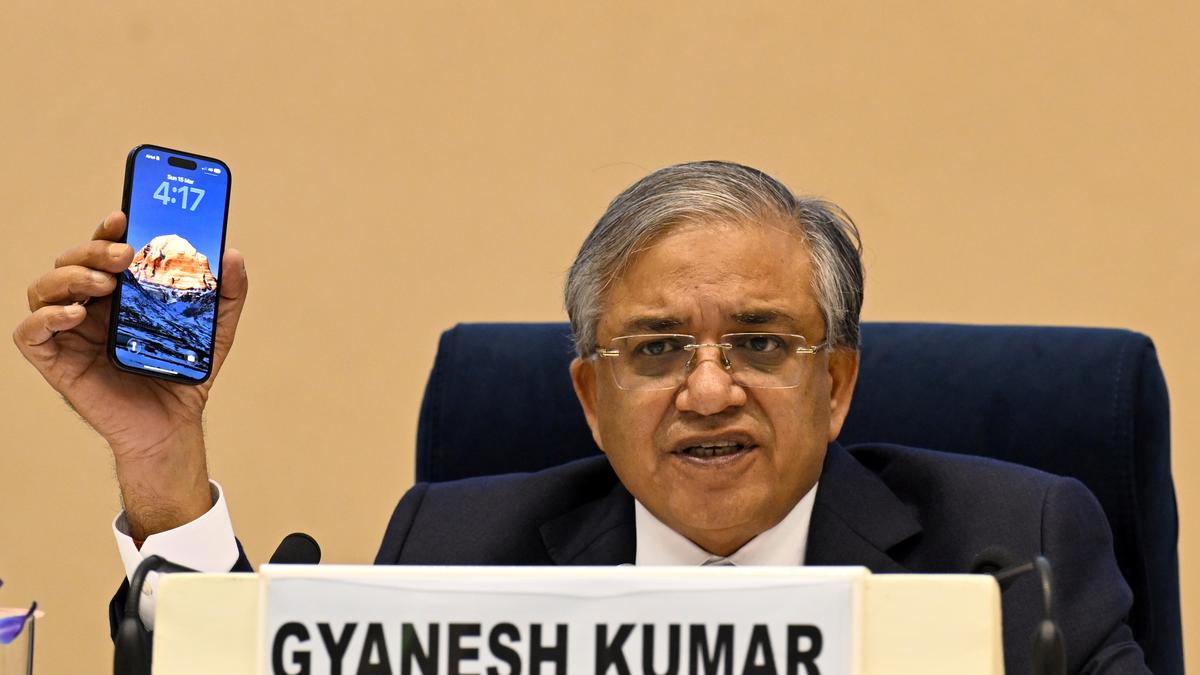
India's Opposition Takes a Second Shot at Ousting Its Election Chief
73 Rajya Sabha MPs file fresh removal motion against CEC Gyanesh Kumar — but the constitutional path to removal remains nearly impassable.
India's opposition bloc filed a second motion on April 24 seeking the removal of Chief Election Commissioner Gyanesh Kumar, this time backed by 73 Rajya Sabha MPs from 11 parties — including Congress's Jairam Ramesh and TMC's Sagarika Ghose — and listing nine charges against him. This follows a near-identical attempt that collapsed in early April.
The first motion, submitted March 12 with signatures from 193 INDIA bloc MPs across both Houses and carrying seven charges, was the first such impeachment notice ever filed against a sitting CEC. It was dead on arrival: Rajya Sabha Chairman C.P. Radhakrishnan and Lok Sabha Speaker Om Birla rejected it on April 6, ruling in separate 17-page orders that the opposition had failed to establish a prima facie case of misbehaviour under Articles 324(5) and 124(4) of the Constitution. The presiding officers rebutted each charge individually — dismissing claims of executive bias, obstruction of electoral fraud investigations, and selective disenfranchisement as either legally baseless or remedied through other channels.
The Leverage Play
The opposition's decision to refile — quickly, with an expanded charge sheet — is less about legal strategy than political signal. With Bihar elections approaching and West Bengal, Tamil Nadu, and Kerala assembly polls on the horizon, the INDIA bloc needs a durable narrative that frames Kumar's Election Commission as a BJP instrument. Each rejection by the Speaker and Rajya Sabha Chairman — both BJP-aligned — reinforces that framing without the opposition needing to win the procedural fight.
Who benefits: The INDIA bloc, particularly Trinamool Congress (which is leading the charge), gains a recurring platform to contest the EC's neutrality before high-stakes state elections. Congress resets its relevance on a constitutional question that plays well to its base.
Who loses: Kumar and the EC's institutional standing take repeated hits regardless of outcome. Frontline's reporting notes that even the first motion — described by analysts as primarily symbolic — marked a "systemic breakdown in consensus on the EC's neutrality". A second filing compounds reputational damage without requiring legal success.
The BJP's counter: The government does not need to actively defend Kumar. The constitutional architecture does it — removal requires a joint parliamentary inquiry that the ruling coalition can block at every procedural gate.
A Mechanism Built to Fail
Under the Chief Election Commissioner and Other Election Commissioners (Appointment, Conditions of Service and Term of Office) Act, 2023 — itself challenged in the Supreme Court — the CEC can only be removed through a process mirroring Supreme Court judge impeachment. That threshold has never been cleared for any judge in India's history. The INDIA bloc's 73 Rajya Sabha signatories represent significant symbolic weight but fall well short of the supermajority needed for removal proceedings to succeed. The presiding officers also retain discretion over admissibility — and have already used it once.
What to Watch Next
The critical variable is admissibility: whether Radhakrishnan admits the fresh motion or rejects it again on the same grounds. A second rejection will sharpen the opposition's "bypassed Parliament" argument — a line they've already begun using publicly. Watch also for the Supreme Court's ongoing review of the 2023 EC appointment law; any adverse ruling there could change the institutional context in which Kumar operates. The Bihar election schedule, once announced, will determine whether this motion is filed and forgotten or becomes the opposition's central electoral integrity campaign.
Track India's political dynamics as this escalates through the parliamentary session.
Discover more
India
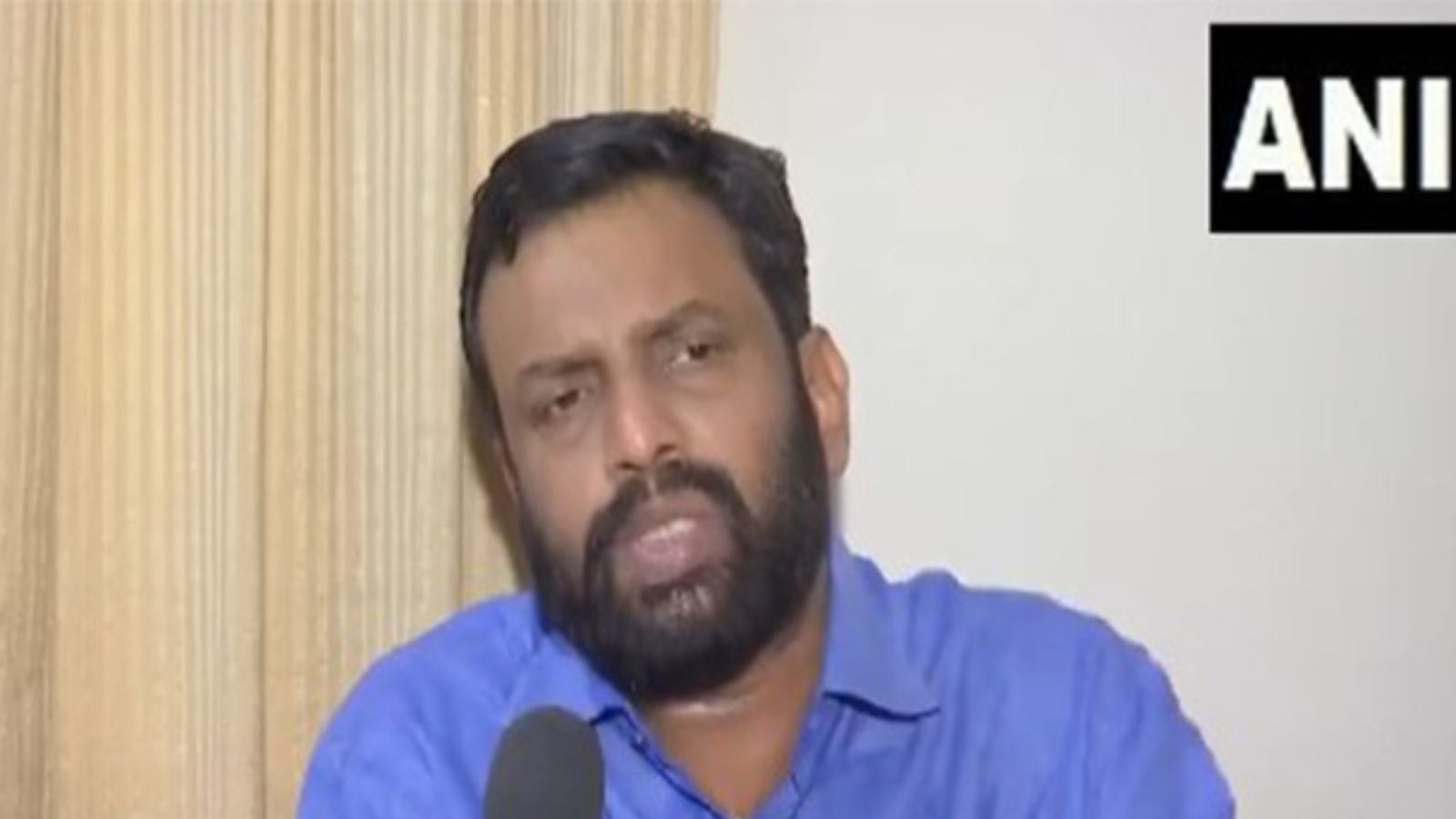
CPI MP Accuses PM Modi of MCC Violations
CPI MP P Sandosh Kumar alleges PM Modi breached the Model Code of Conduct in Tamil Nadu, raising election integrity concerns before the 2026 Assembly polls.
India
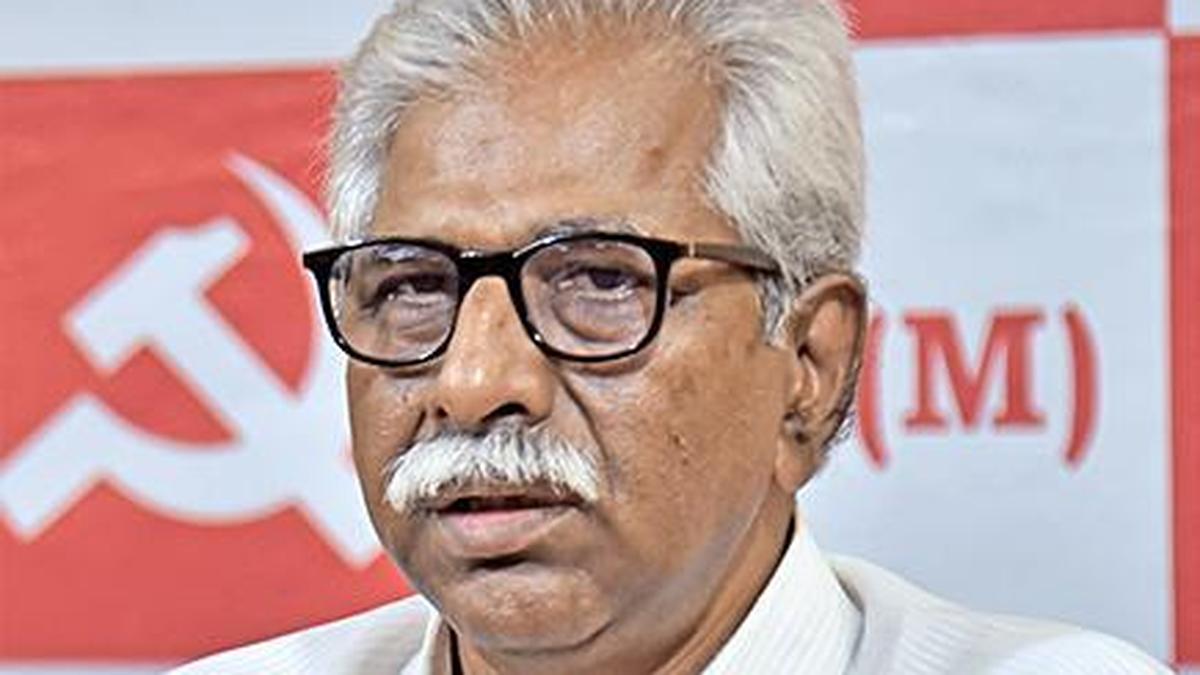
CPI(M) Calls to Decouple Quota from Delimita
CPI(M) advocates for a 33% women's quota in Lok Sabha by 2029, removing the need for delimitation and census linkage.

Conflict & Security
Drone Warfare Killing Aid Workers at Unprec
Over 1,000 humanitarian workers killed in three years as cheap armed drones collapse legal protections. Gaza, Sudan, Ukraine, and DRC see deliberate targeting of aid convoys and hospitals with zero prosecutions.
Global
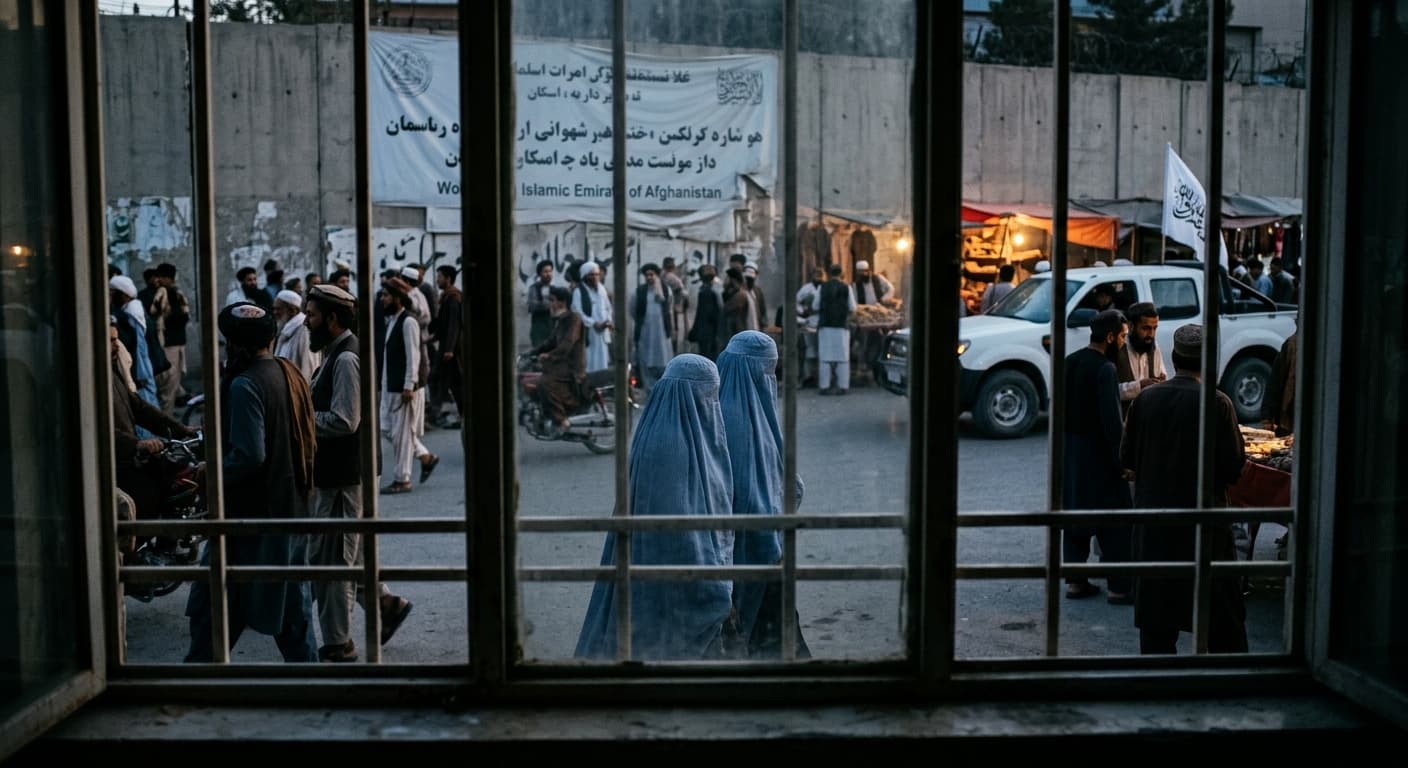
World Normalises Taliban as Afghan Women Eras
UN data shows Afghan women erased from public life as Russia recognises the Taliban, EU hosts officials in Brussels, and ICC warrants for gender persecution go unenforced.