India’s Oil Cushion Is Bigger Than Headlines
Exploring India's crude oil reserves and market dynamics
Model Diplomat3 min readAsia
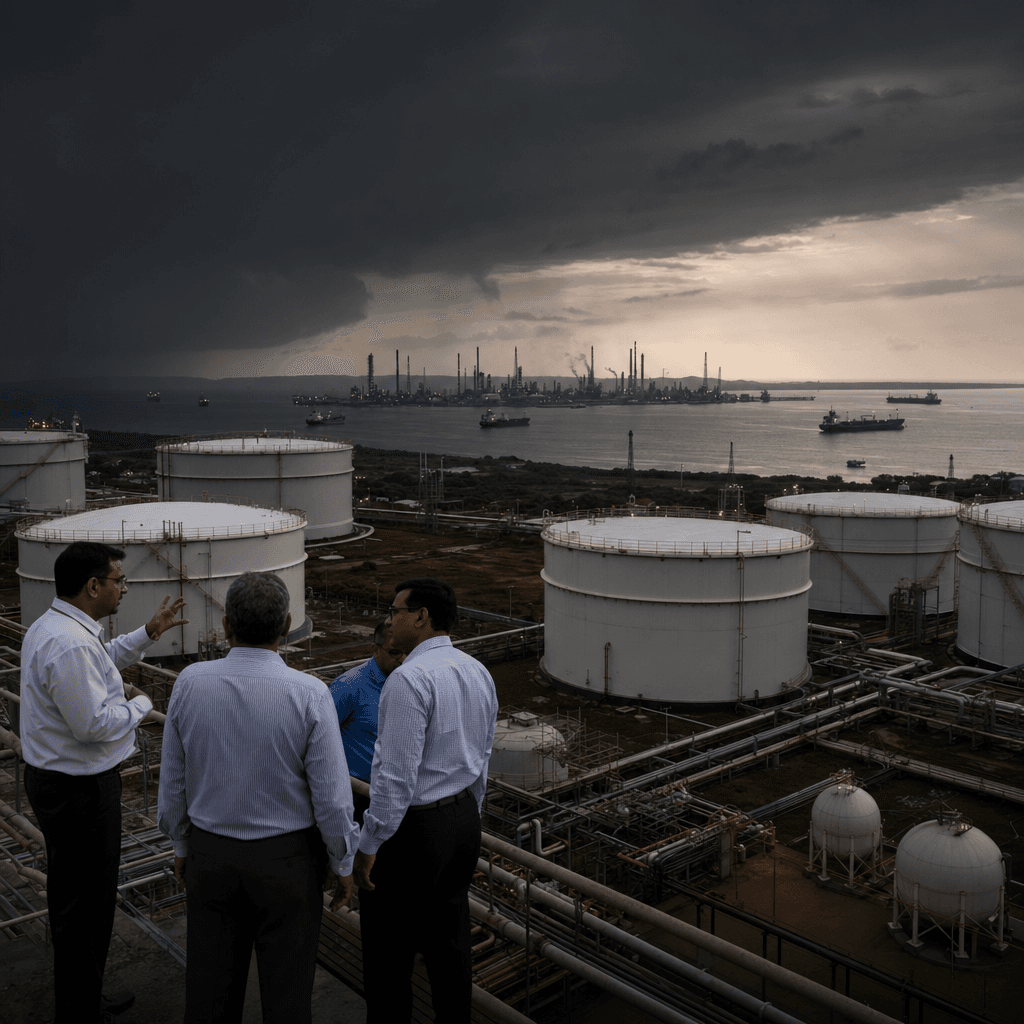
India’s Oil Cushion Is Bigger Than the Headlines Suggest
New Delhi says it has 78 days of crude cover, but that figure is a buffer, not a shield: the real pressure is price, not shortage.
India is trying to talk markets off the ledge. NDTV reported that a parliamentary panel was told the country has 78 days of crude oil reserves, with the government insisting fuel is still available at petrol pumps (NDTV). That message matters because it is aimed at preventing panic buying and calming consumers just as retail fuel prices have risen for the fourth time in less than two weeks, according to the same report.
The number is about resilience, not self-sufficiency
The power dynamic is straightforward: the government wants time, not immunity. India imports the bulk of its crude, so the real question is how long it can absorb a supply shock from West Asia before prices, inflation and the current account start to bite. A separate report quoting Petroleum Minister Suresh Gopi said India’s total national storage capacity is 74 days, split between strategic reserves and oil-marketing-company storage: 9.5 days from Strategic Petroleum Reserves and 64.5 days from commercial inventories (MorungExpress).
That distinction matters. A “78-day reserve” headline sounds like a wartime stockpile. In practice, India is talking about a mix of physical stocks, commercial storage and products already in the system. Another industry report put actual stock cover at around 60 days and said India has about 100 million barrels of commercial crude stocks, with strategic reserves as only part of the buffer (Autocar Professional). In other words, India has room to maneuver, but not enough to ignore a sustained disruption in the Strait of Hormuz or a prolonged oil-price spike.
Who benefits from the reassurance
This messaging benefits the state-owned fuel distributors—Indian Oil, Bharat Petroleum and Hindustan Petroleum—which together control about 90% of India’s retail fuel market, according to NDTV (NDTV). It also buys the finance ministry political space. Nirmala Sitharaman has already framed recent hikes as operational, not policy-driven, while acknowledging the government previously absorbed a fiscal hit of about Rs 1 lakh crore by cutting central taxes to cushion consumers (
NDTV).
The losers are obvious: households, transport operators, and manufacturers facing higher fuel costs if global crude stays elevated. India is still heavily exposed to imported oil, and the larger risk is not a physical emptying of tanks but a slower squeeze on inflation, subsidies and the rupee. That is the real leverage point in this story: the government can smooth shocks for weeks, but it cannot fully insulate the economy from a sustained rerating in global oil markets. For context on how this fits into India’s wider energy and geopolitical exposure, see India and
Global Politics.
What to watch next
Watch three things: whether retail fuel prices keep rising; whether the oil ministry or refiners revise their stock figures; and whether any renewed disruption in the Gulf changes shipping routes or procurement costs. The key date is the next oil price decision point, not the next headline—because that is when India finds out whether its cushion is enough, or just delay.
Discover more
India
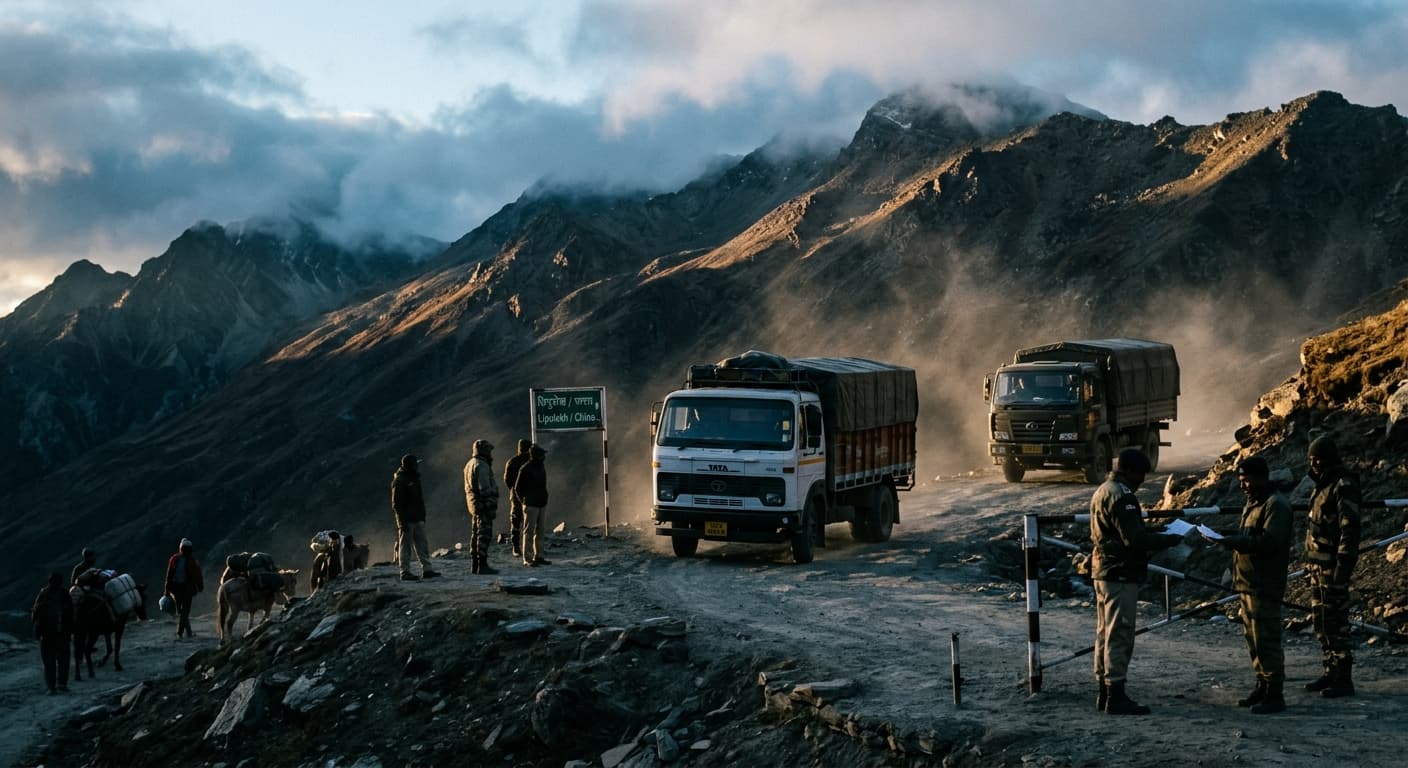
Lipulekh Pass Reopens: India-China Trade
India and China reopen the Lipulekh Pass for cross-border trade, signaling a cautious thaw in relations after years of frozen frontier and diplomatic tensions.

India
India, South Korea Forge Five-Year Plan
India and South Korea have agreed on a five-year partnership plan to deepen trade and defense cooperation, strengthening strategic and economic regional ties.

India
India Rebukes Pakistan at UNSC on Kashmir
India's UN envoy sharply rebuked Pakistan for politicizing a UN Security Council meeting on Kashmir, accusing Islamabad of diverting attention with rhetoric.
India
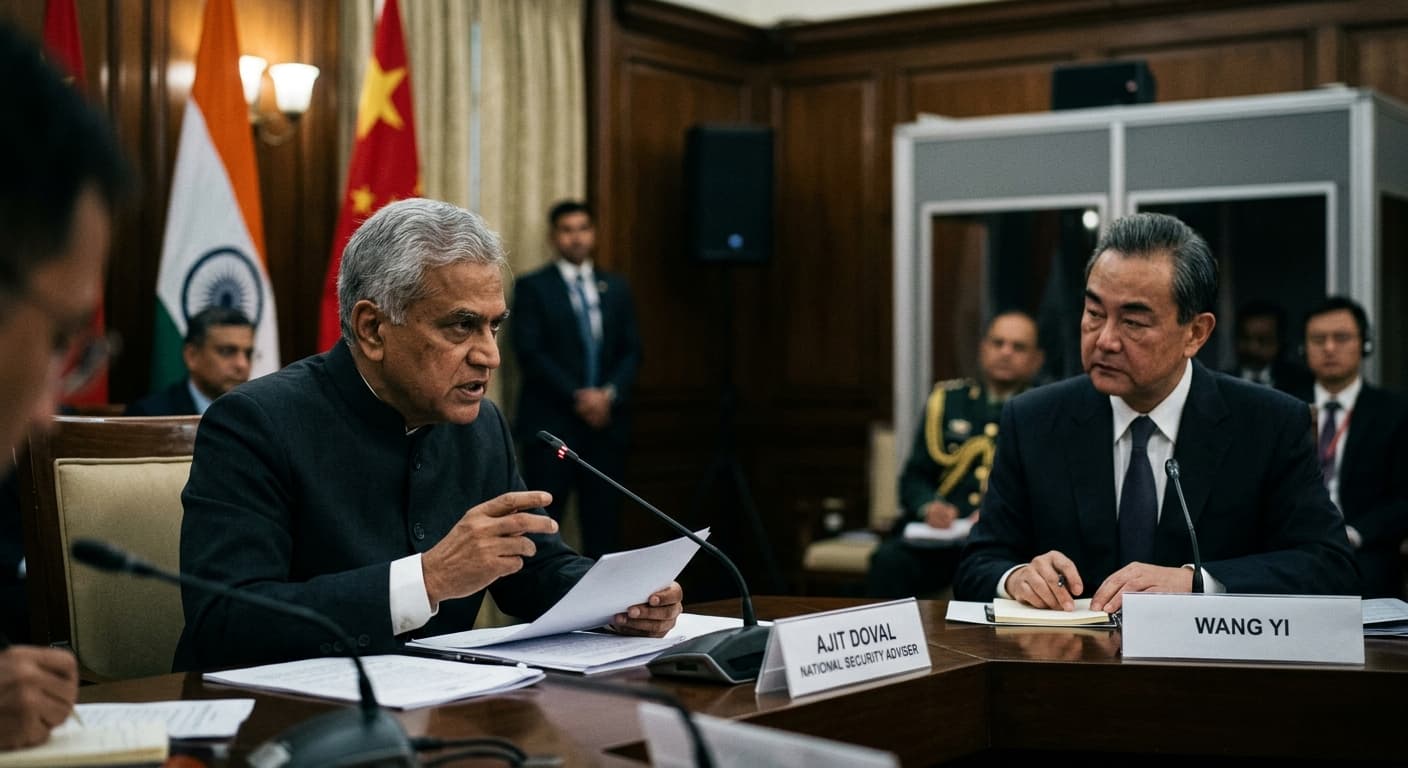
Doval's Message: India Signals Sensitivity
India's Doval signals sensitivity to core national interests in talks with China, stressing mutual respect on border tensions to steady the wider relationship.