India’s Labour Codes Ignite Congress’s New Worker Offensive
Modi has fully operationalised the four labour codes; Congress says they weaken job security, union power and consultation.
The Modi government now controls the reform agenda: by notifying the final rules on May 8-9, it has turned the four labour codes into law in practice, and forced Congress to fight the politics of implementation rather than the legislation itself, as reported by  The Hindu and
  The New Indian Express.
What the fight is really about
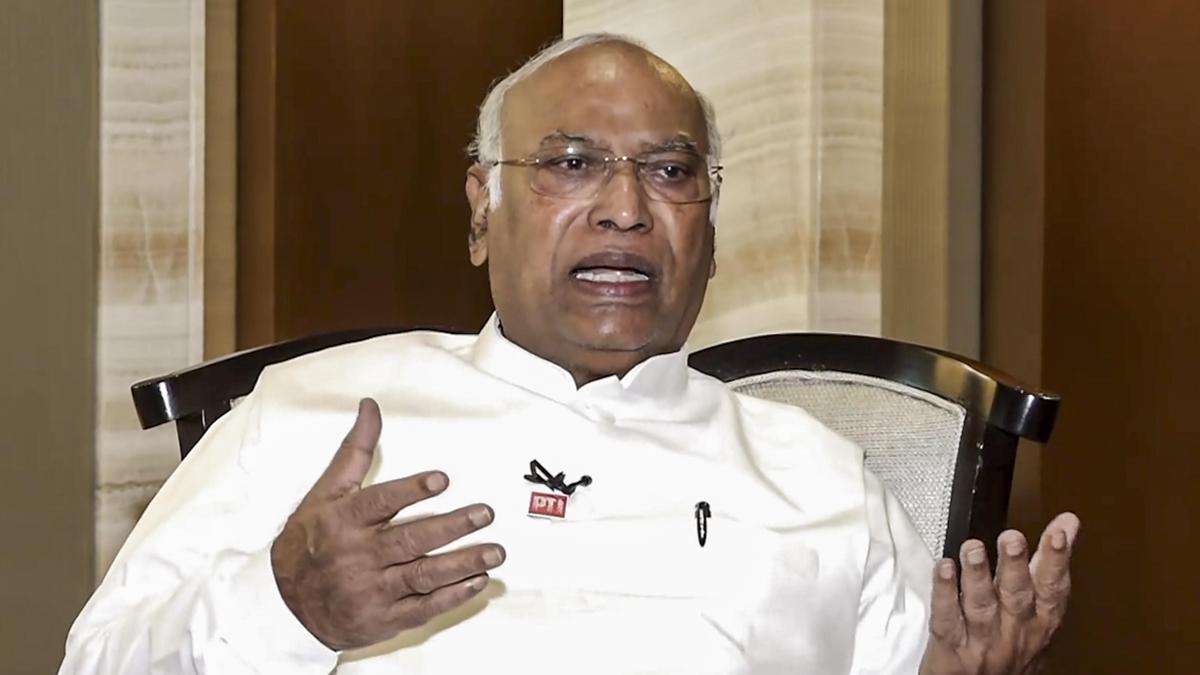
Congress president Mallikarjun Kharge is trying to frame the rollout as an attack on the political economy of organised labour. In his statement, he called the codes “the greatest setback for workers’ rights since Independence,” alleging they open the door to hire-and-fire policies, wider contract work and weaker unionisation, and saying the government pushed them through without consultation, The New Indian Express reported.
That language is meant to do two things at once: rally trade unions and put the BJP on the defensive among workers who may like higher formalisation in theory but fear weaker job protection in practice. Congress also used the moment to relaunch its own labour pitch — MGNREGA expansion, a Rs 400 daily minimum wage, broader social security and a pledge to curb contractualisation in core government functions, The New Indian Express said.
Why the government thinks it has leverage
The Centre is betting that employers, investors and many informal workers will prefer simplification over the old patchwork of 29 laws. The four codes consolidate wage, industrial relations, social security and occupational safety rules, and officials say the new framework guarantees minimum wages, universal social security and a cleaner compliance system, The Hindu reported.
That matters because labour is a concurrent subject: Delhi can set the framework, but states still have to notify and enforce rules fully. The draft rules were pre-published on December 30, 2025, then finalised after feedback, according to The Hindu. In other words, the Centre has won the legal battle; the next contest is administrative and political — who implements, who resists, and how quickly.
What to watch next
The key test is whether states move quickly to align their rules, especially where unions are stronger and opposition governments will want to slow-roll enforcement. Watch for two things: whether trade unions intensify protests, and whether the government leans on the codes’ pro-worker provisions — appointment letters, health checks, social security and fixed weekly hours — to blunt the “anti-worker” label, The Hindu said. If this becomes a state-level implementation fight, the politics will shift from Delhi’s reform rhetoric to concrete employer practices and wage-floor enforcement.