India’s Heatwave Is Now a Grid Stress Test
Temperatures above 45C are turning the early summer heat into a test of power supply, public health, and state capacity across India.
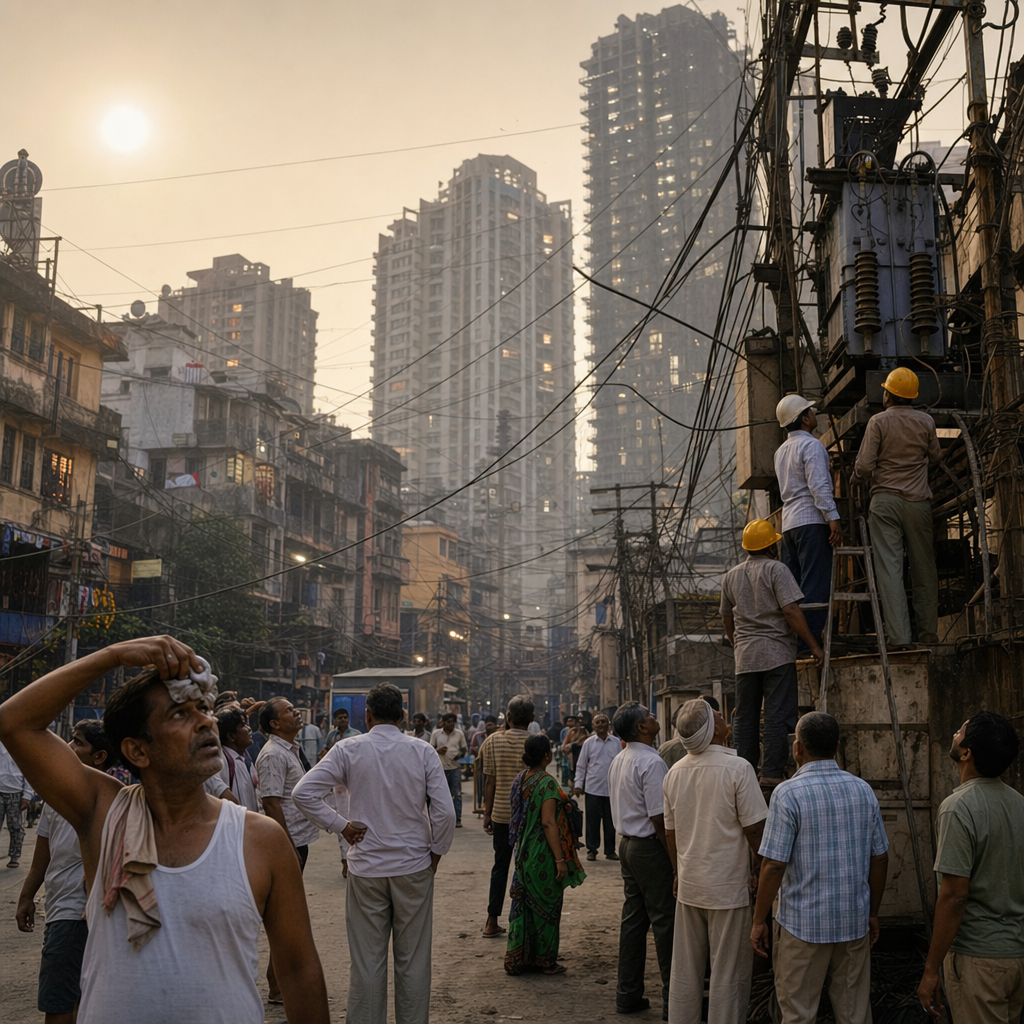
India’s heatwave is no longer just a weather headline. The India Meteorological Department is warning that heatwave to severe heatwave conditions will continue across large parts of the country over the coming week, with temperatures crossing 45C in several regions,  The Hindu reported on Sunday. That matters because the leverage in this crisis sits with the states and the power system: when temperatures stay high, demand spikes, blackouts become more likely, and the political cost lands on local governments first.
The real pressure point is electricity
The immediate winner in a heatwave is the cooling economy; the losers are everyone who cannot afford to wait it out indoors. India’s power ministry said peak electricity demand hit a record 270.82 gigawatts this week and urged people to “use electricity wisely,” as air-conditioner and fan use surged,  CNA reported. That is the key policy signal: New Delhi is not treating this as a temporary discomfort, but as a system-wide load problem.
The grid can meet record demand for a day or two. The harder test is endurance. Night-time temperatures are also staying high, which means households and businesses get little relief after sunset, CNA noted. That extends the pressure on transformers, local distribution networks, and state utilities already managing summer peaks. For a broader read on how this feeds into India’s energy and climate politics, see  India.
Public health costs show up fastest
Heat is also exposing the limits of local preparedness. In Telangana, officials said at least 16 people have died of heatstroke so far this summer and ordered statewide vigilance,  BSS News reported. That puts the burden on district administrations to issue warnings, open cooling and water points, and narrow exposure for outdoor workers, older people, children, and pregnant women.
That distribution of costs is not accidental. Wealthier urban households can buy cooling, backup power, and bottled water. Poorer households, construction workers, delivery workers, and informal laborers absorb the heat directly. In practice, this means heatwaves widen inequality even before they become a formal disaster. The policy question is not whether temperatures will fall when the monsoon advances; it is whether state governments can bridge the weeks before that happens without a rise in deaths, outages, and water stress.
What to watch next
The next decision point is the duration of the warning window. If the IMD’s forecast holds and severe heat persists across north, central, and eastern India, states will likely face a familiar sequence: higher power demand, local outages, school schedule changes, and more pressure to issue health advisories, The Hindu and CNA indicate.
Watch three things: whether peak demand sets another record, whether state governments widen heat alerts or suspend outdoor work, and whether heatstroke cases rise outside Telangana. If those indicators move together, this stops looking like a weather episode and starts looking like a recurring governance stress test.