India's ₹7,100 Crore Chip Incentives for FY27
Government aims for self-reliant semiconductor ecosystem.
Model Diplomat3 min readAsia
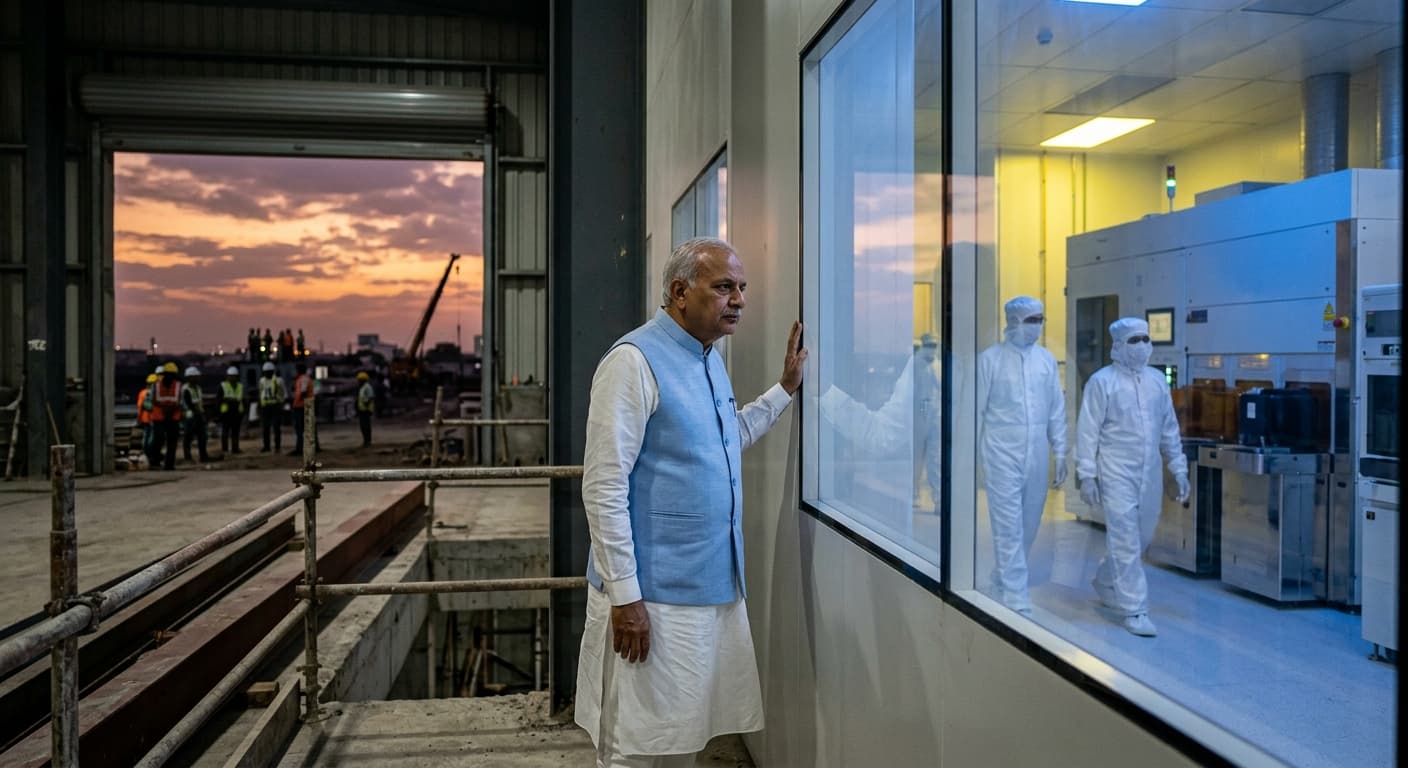
India Announces ₹7,100 Crore Chip Incentives for FY27
Government targets 1 fab, 9 manufacturing units, and 30 design firms as part of ₹1.2 lakh crore Semicon 2.0 strategy to build self-reliant semiconductor ecosystem.
India is committing ₹7,100 crore in fiscal FY27 to deploy one semiconductor fabrication unit, nine manufacturing facilities, and 30 design companies as it accelerates its bid to reduce dependence on imported chips, according to Mint. The government expects this outlay to unlock ₹15,000 crore in fresh private investment and create 4,700 jobs.
The move reflects a larger strategic pivot. Inc42 reports that the FY27 allocation sits within the Modified Programme for Development of Semiconductor and Display Manufacturing Ecosystem in India, which has a total budget of ₹8,000 crore for the year. But New Delhi is preparing a much larger second wave—Semicon 2.0—with a ₹1.2 lakh crore (₹120,000 crore) outlay. Finance Minister Nirmala Sitharaman confirmed during her June 2026 budget speech that this next phase would launch soon, though she did not disclose the full size.
Why This Matters Now
India faces a twin pressure. Semiconductor imports hit $30.3 billion in FY25, up from $19.3 billion just two years prior. The country currently imports 90 percent of the chips it consumes. Simultaneously, global semiconductor supply chains are fracturing along geopolitical lines—the U.S. restricts China, China diversifies away from Western suppliers, and every other manufacturer is seeking alternatives to Taiwan. India is positioning itself as the beneficiary.
Funding Times reports that companies approved under the Indian Semiconductor Mission are expected to cumulatively invest ₹31,299 crore by FY27—the low end of the government's ₹1.65 lakh crore target across the entire incentive scheme. By FY35,
MeitY expects domestic plants to supply 50 percent of India's semiconductor demand, down from today's 10 percent. That rests on at least four major projects moving to commercial production this fiscal year—three by the Tata group and Kaynes, one by CG Power.
The stakes are scale and timing. Niti Aayog projects India's semiconductor demand will hit $206 billion by 2035—a five-fold jump from today. Without domestic capacity, India bleeds foreign exchange. With it, New Delhi gains leverage in a sector now central to defense, automobiles, and AI.
What Shifts With Semicon 2.0
The first phase focused narrowly on fabs and assembly. Semicon 2.0 expands to design startups, manufacturing equipment, specialty chemicals, and workforce development—the full stack. Convergence Now notes that the revised framework will address execution gaps from phase one: approvals took years, disbursement lags stalled projects, and policy stayed opaque. The new phase adds stricter timelines and monitoring.
What to Watch
The FY27 targets are modest—one fab, nine assembly units. The real test arrives when Semicon 2.0 details land, expected within weeks. The budget size (₹1.2 lakh crore) is ambitious, but approval and disbursement lag mean timeline slippage is already baked in. Watch whether MeitY can execute approvals within 90 days instead of 18 months. Watch Tata's Dholera fab timeline—slippage there signals deeper ecosystem problems. And watch for state-level land and power commitments; announced targets mean nothing without infrastructure on the ground.
Discover more

India
India-South Korea $50B Trade Expansion Plan
India and South Korea target $50 billion in bilateral trade by 2030, focusing on industrial cooperation and strategic alignment amid US pressures.
India
CPI(M) Calls to Decouple Quota from Delimita
CPI(M) advocates for a 33% women's quota in Lok Sabha by 2029, removing the need for delimitation and census linkage.
India
Modi's Women’s Convention in Varanasi
Modi's Varanasi rally frames women's reservation as a national mission, targeting the 2027 Uttar Pradesh elections with a strategic narrative.

Conflict & Security
Drone Warfare Killing Aid Workers at Unprec
Over 1,000 humanitarian workers killed in three years as cheap armed drones collapse legal protections. Gaza, Sudan, Ukraine, and DRC see deliberate targeting of aid convoys and hospitals with zero prosecutions.