India Resumes Ladakh Talks Amid Tensions
Fresh dialogue set for May 22 as demands clash with Centre's offers
Model Diplomat3 min readLadakh
India's Ladakh Talks Resume May 22 — With the Clock Ticking
New Delhi schedules fresh MHA-level dialogue with Leh and Kargil civil society bodies, but the gap between their demands and what the Centre will offer remains wide.
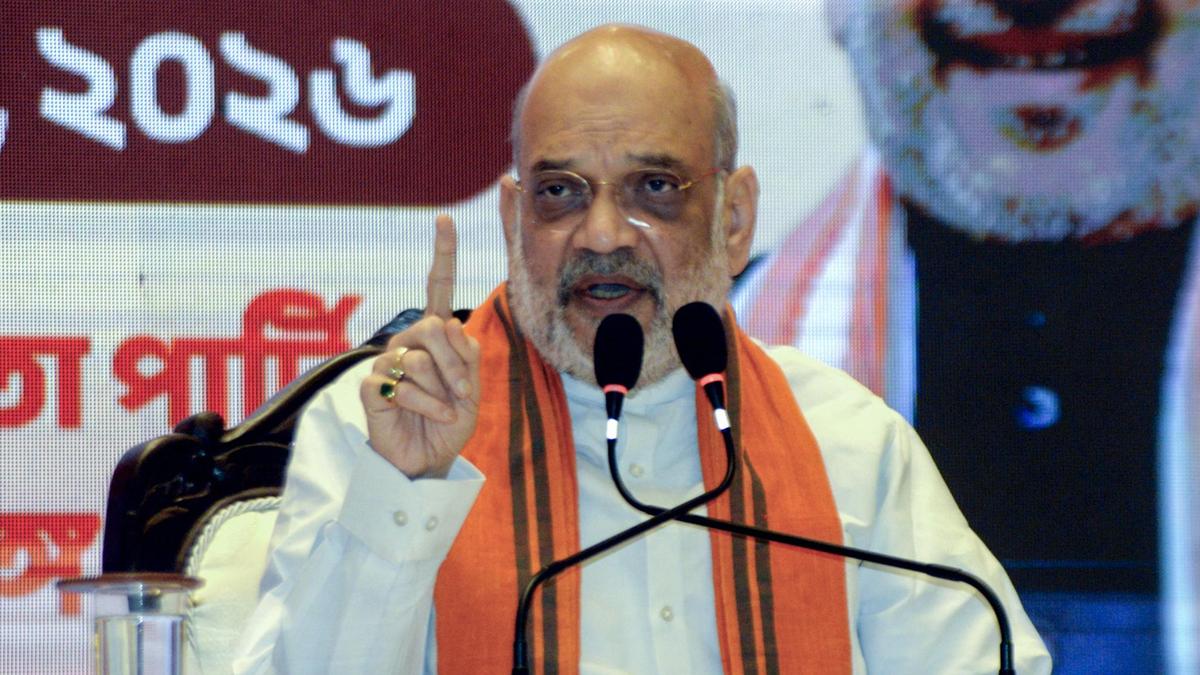
Ladakh Lt. Governor Vinai Kumar Saxena announced on April 26 that the Union Home Ministry will resume talks with the Leh Apex Body (LAB) and the Kargil Democratic Alliance (KDA) on May 22 — ahead of Home Minister Amit Shah's planned visit to the region. The announcement ends a roughly two-month freeze following an inconclusive High-Powered Committee meeting on February 4, 2026, where both sides left dissatisfied.
The Demand Gap Is the Story
The LAB and KDA submitted a 29-page draft proposal to the Ministry of Home Affairs (MHA) in October 2025, anchored on two non-negotiable asks: full statehood for Ladakh and inclusion under the Sixth Schedule of the Constitution, which would grant autonomous tribal council powers and legal protection over land, culture, and resources. These demands date to Ladakh's contentious conversion from a state component to a Union Territory without a legislature under the August 2019 Article 370 revisions — a move that stripped the region of elected representation at the state level.
New Delhi's counter-offer has been narrow. The MHA proposed safeguards under Article 371 — special provisions that fall well short of statehood — and urged strengthening existing Hill Councils. LAB co-chairman Chering Dorjay Lakruk and KDA's Asgar Karbalai both described the February outcome as unsatisfactory. The Centre has not moved publicly on either core demand across three years of intermittent talks.
The democratic deficit makes this more than symbolic. Leh's Hill Council term expired on October 31, 2025, leaving the district with no elected body — council functions delegated to the Deputy Commissioner. Leh's annual council budget stands at ₹255 crore; that money is now flowing without local accountability. The sole elected voice for all of Ladakh at the Centre is a single MP.
Who Benefits, Who Loses, What's at Stake
The Centre's leverage is structural — it controls the timeline, the administrative apparatus, and the security framework. Sonam Wangchuk, the climate activist whose detention under the National Security Act in late 2024 galvanised national attention, has since been released, but Deldan Namgyal and Smanla Dorjey remain detained, and LAB has tied their release to the broader negotiation. New Delhi benefits from managing this dialogue slowly: granting statehood would set a precedent with implications for Jammu & Kashmir's own UT status and legislative assembly dynamics.
The LAB and KDA hold moral leverage and civil society mobilisation — March 16, 2026 protests brought hundreds into the streets in both Leh and Kargil — but limited institutional power. Their coalition is notably cross-religious and cross-regional (Buddhist-majority Leh and Muslim-majority Kargil presenting a unified front), which removes New Delhi's easiest wedge. As covered across India's political landscape, the Centre has consistently preferred administrative solutions over constitutional restructuring in the post-370 Himalayan belt.
What to Watch on May 22
The May 22 date sits immediately before Amit Shah's Ladakh visit, which gives New Delhi a strategic incentive to show progress — or at minimum, optics of engagement. Watch for whether the Centre offers any written framework on Sixth Schedule inclusion, even in diluted form. A refusal to put anything on paper will likely trigger another protest cycle. Leh Hill Council elections, currently in indefinite limbo, cannot be scheduled until talks produce a resolution on the constitutional framework — making May 22 a de facto deadline for Ladakh's governance vacuum, now entering its seventh month.
Discover more
India
Congress Advocates 33% Women’s Quota
Congress calls for a 33% women's reservation in the existing 543 Lok Sabha seats, countering Modi's plan to expand the house to 850 seats.
India
UN Expert Albanese: India Violates Law
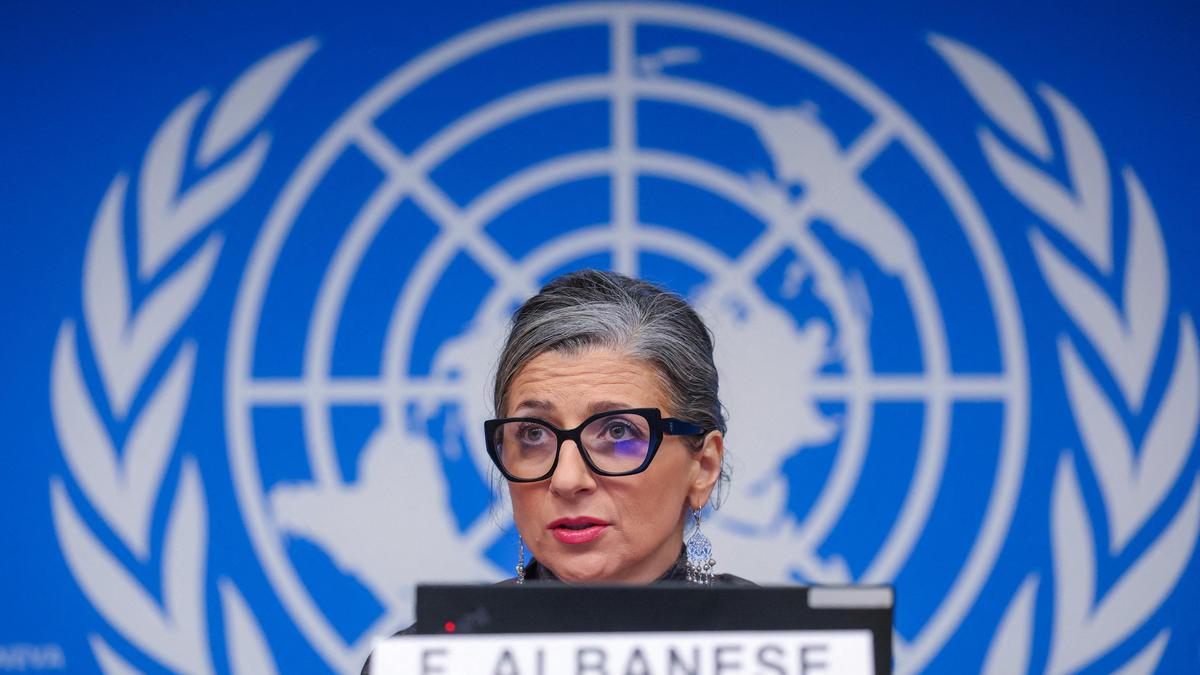
UN Rapporteur Francesca Albanese accuses India of breaching international law, spotlighting human rights concerns in Kashmir and prompting diplomatic pushback.

Conflict & Security
Drone Warfare Killing Aid Workers at Unprec
Over 1,000 humanitarian workers killed in three years as cheap armed drones collapse legal protections. Gaza, Sudan, Ukraine, and DRC see deliberate targeting of aid convoys and hospitals with zero prosecutions.
Global
World Normalises Taliban as Afghan Women Eras
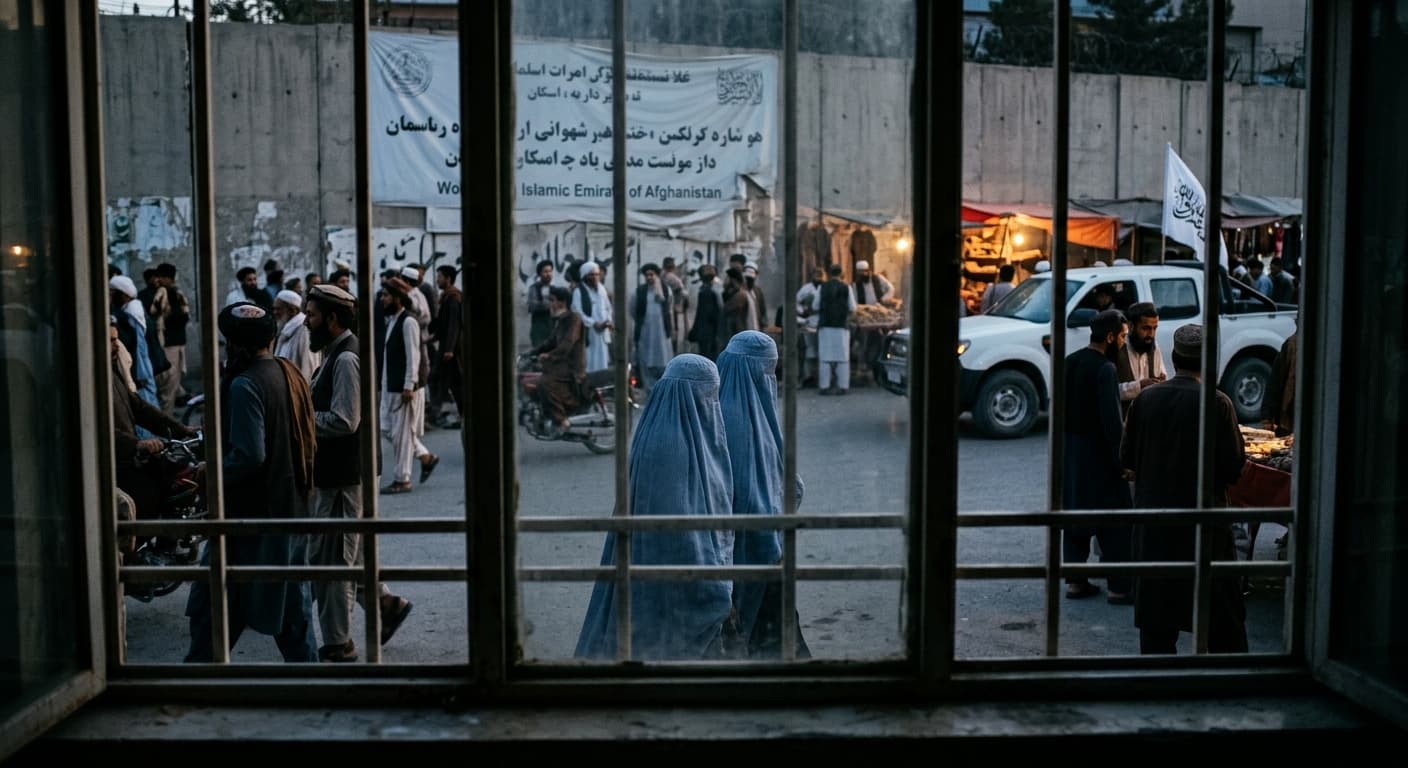
UN data shows Afghan women erased from public life as Russia recognises the Taliban, EU hosts officials in Brussels, and ICC warrants for gender persecution go unenforced.

